




What is the hardest type of Pilates?
People ask me what the hardest type of Pilates is expecting me to name a style, and I have never been able to answer it that way. After years on the machines, and after teaching people who arrived from marathons, from powerlifting, from nothing at all, I think the honest answer is that hard is not a style. It is the gap between what an exercise asks for and where you happen to be weakest. That said, some styles close that gap far more aggressively than others, and there is one piece of equipment nobody expects. Here is what I actually think.
In this article
- What people mean when they say hard
- Classical Pilates is the hardest style, and here is why
- Is the reformer harder than the mat?
- The piece of equipment nobody warns you about
- The exercises that expose everybody
- What actually makes a session hard
- Should you be chasing the hardest?
- Frequently asked questions
What people mean when they say hard
When somebody asks me this question, they usually mean one of three things, and the answer changes depending on which one it is.
Some mean which style leaves you shaking. Some mean which style is hardest to learn, where the movements are simple but doing them correctly takes months. And some mean which style is hardest to stick with. Those are three different questions with three different answers, and the third one is the only one that matters long term.
The style that leaves you shaking is not necessarily the one that changes your body, because the intensity you feel in the moment is often just unfamiliarity. I have finished sessions drenched that did very little for me, and I have finished slow, quiet sessions barely warm that I felt for three days.
Classical Pilates is the hardest style, and here is why
If you are forcing me to name one, it is classical Pilates. Not because the exercises are more athletic, but because the order is fixed and the rest is not negotiable.
In a contemporary class, the instructor builds the session around the room. If the group is tired, the session softens. In classical work you move through the original sequence in the original order, and the sequence was designed so that each exercise arrives while you are still recovering from the last one. There is no filler and there is nowhere to hide. Transitions are part of the work, so the moment you would normally use to catch your breath is the moment you are lifting your own body weight into the next position.
Contemporary Pilates is often physically harder in individual moments, because instructors add load, add tempo work and borrow from strength training. Classical is harder across the whole hour. Those are genuinely different kinds of difficulty and people rarely separate them.
Is the reformer harder than the mat?
This is the comparison I get most, and the answer is genuinely both.
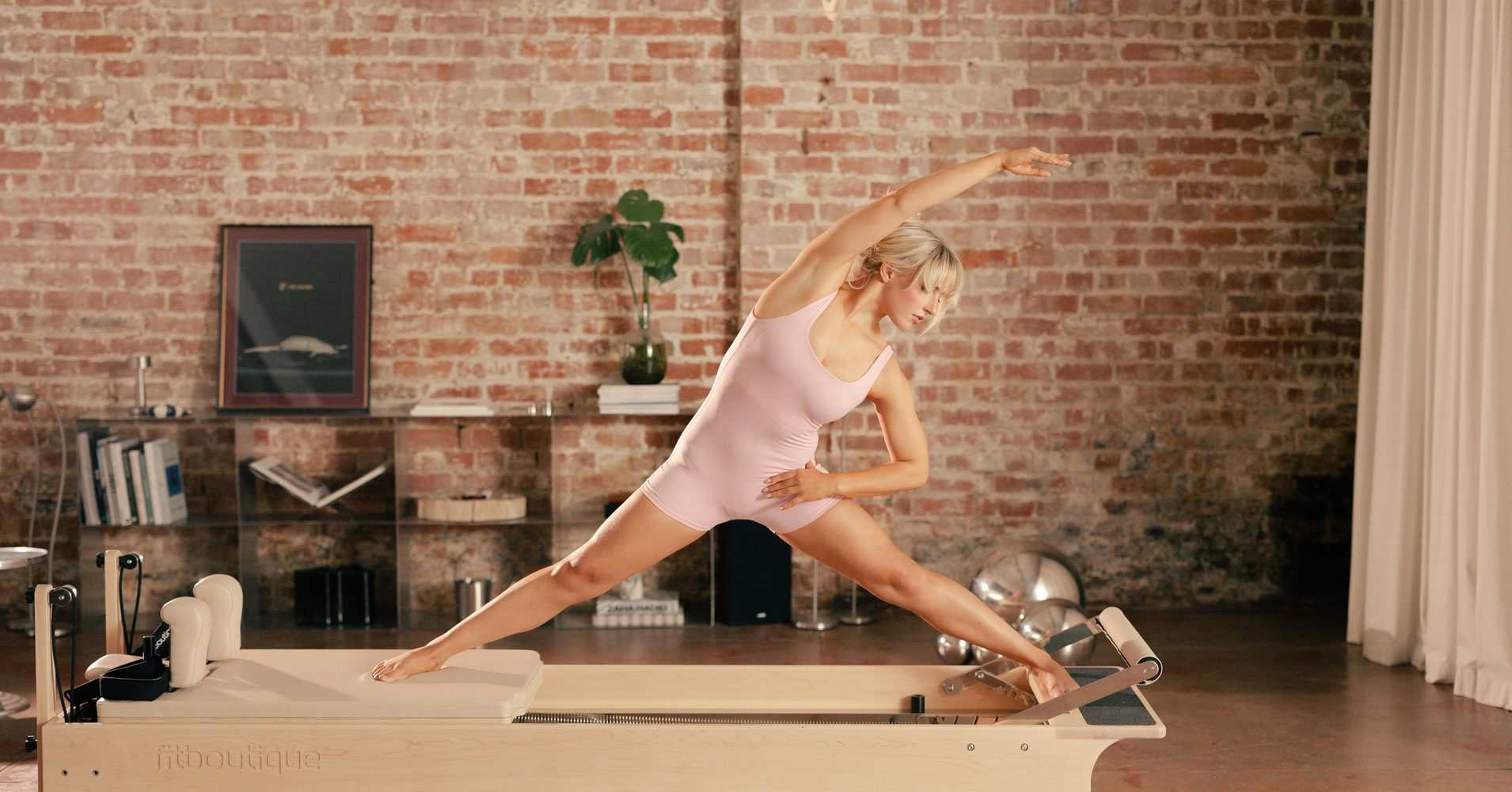
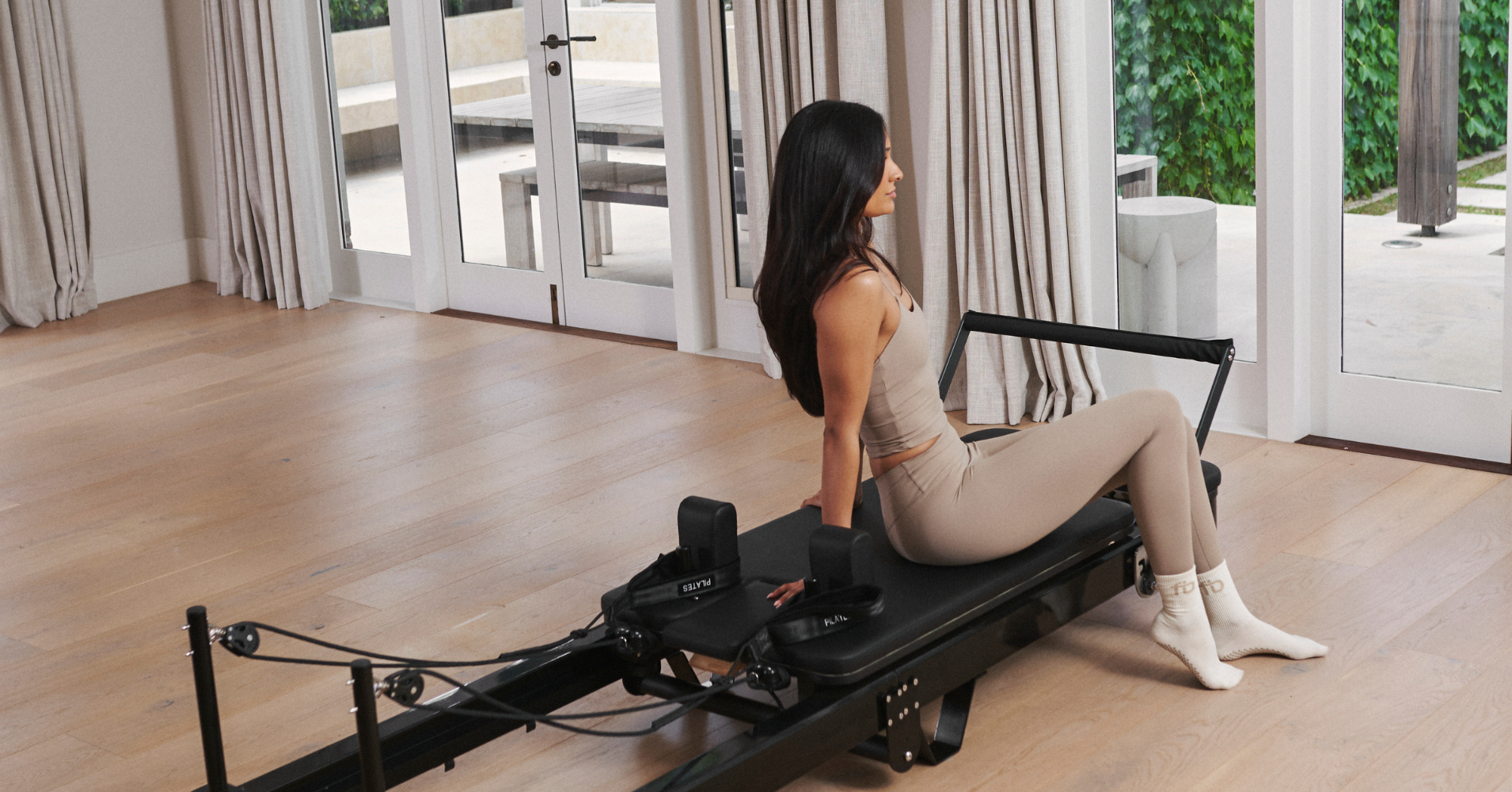
The reformer can make a movement easier than it is on the mat, because the springs can carry part of your weight. That is the entire reason it exists. Somebody who cannot hold a plank on the floor can build to one through the reformer, supported, in stages.
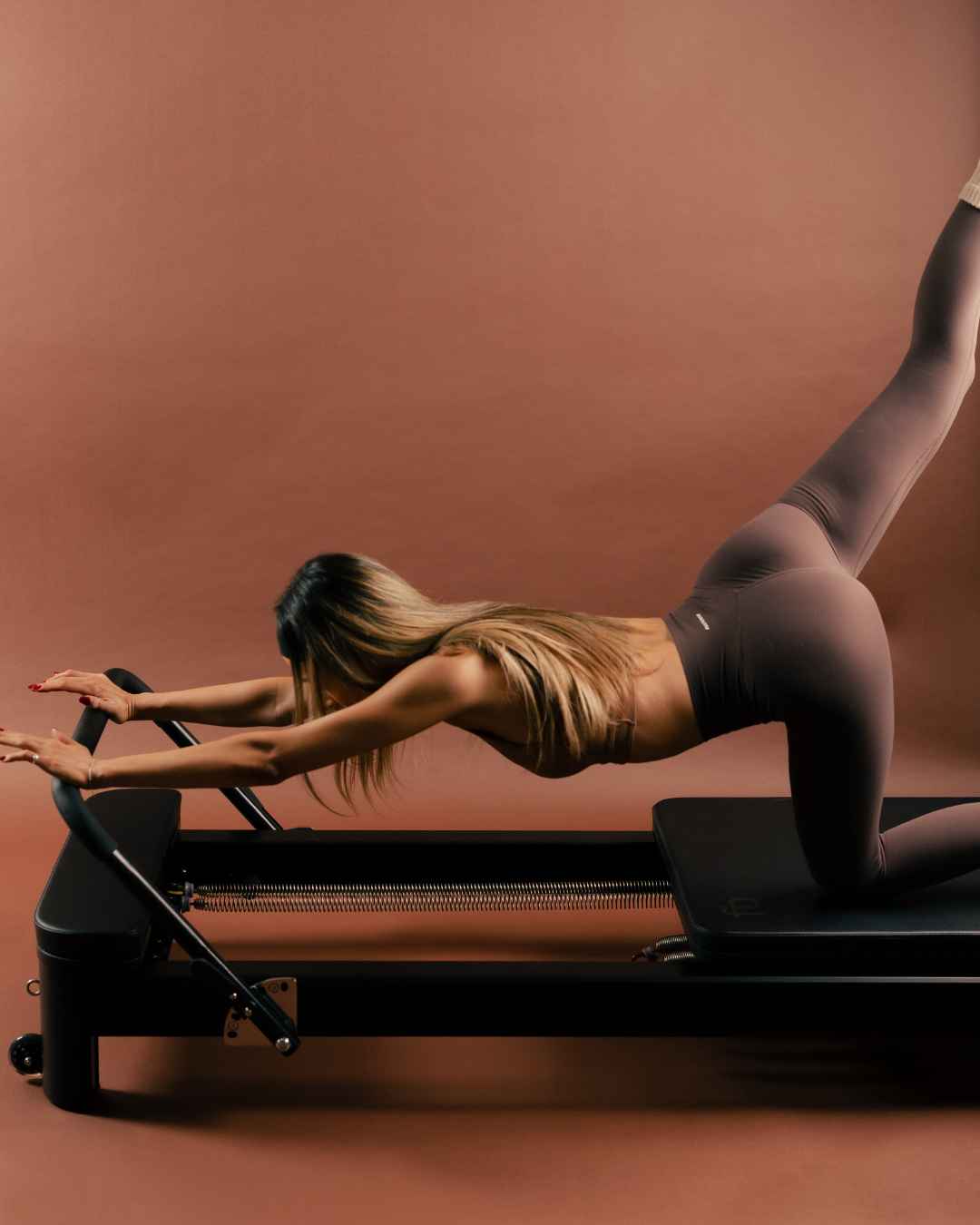
But the same springs make other movements far harder than the mat could ever manage. A long stretch series on a reformer asks you to hold a plank while the surface underneath you slides, which means the position is never static and your shoulders are working to stop the carriage as much as they are working to hold you up. There is no mat equivalent. The floor does not move.
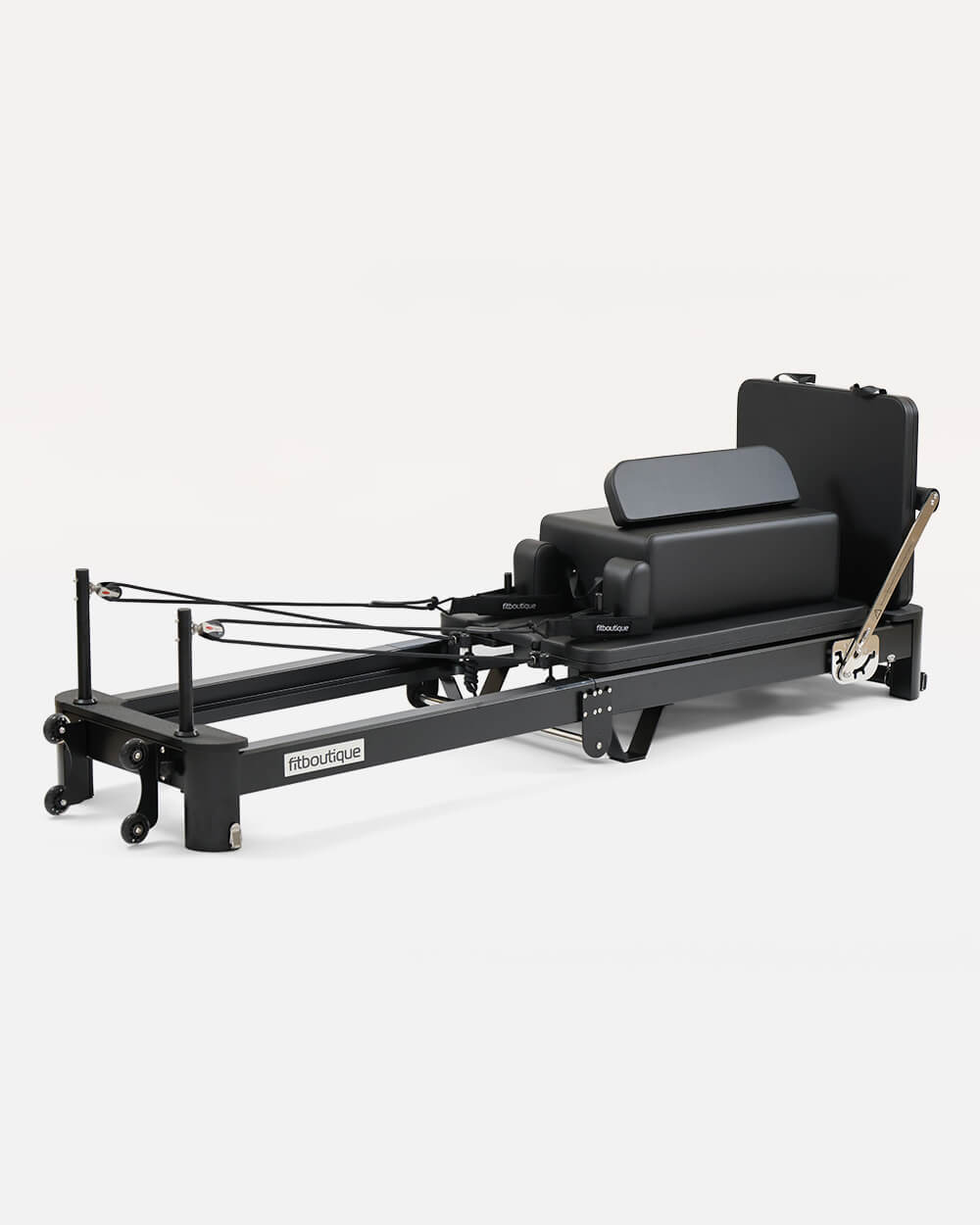
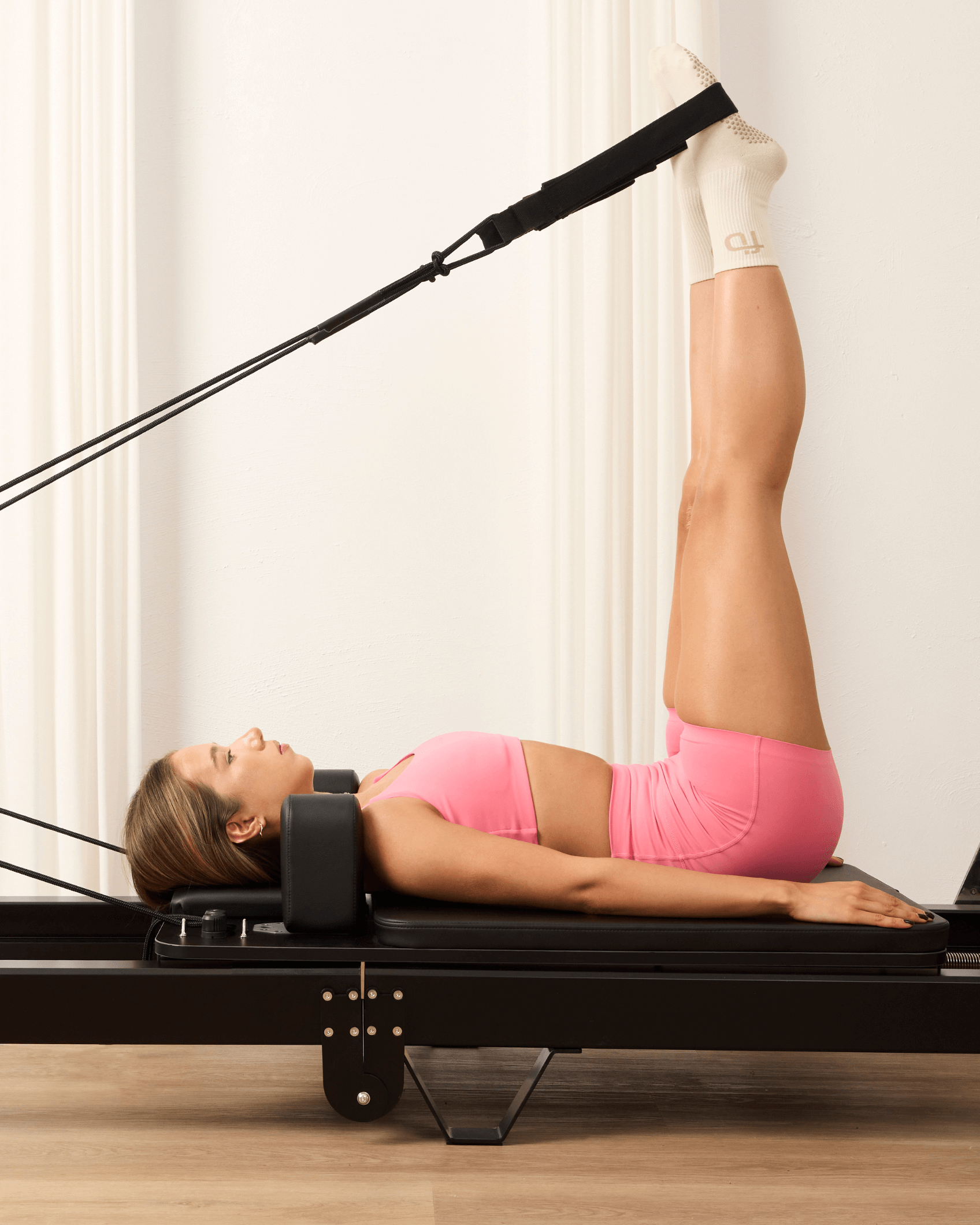
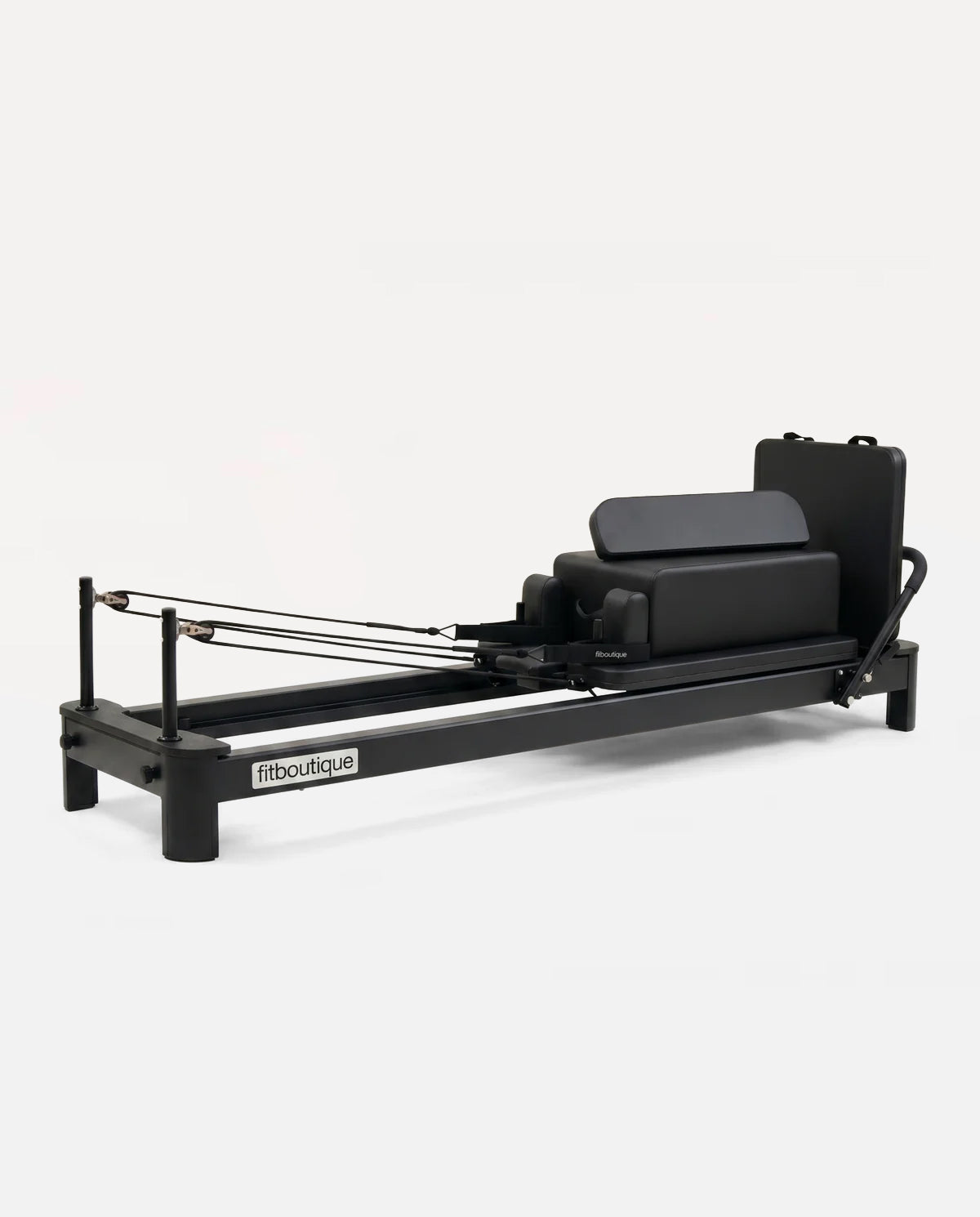
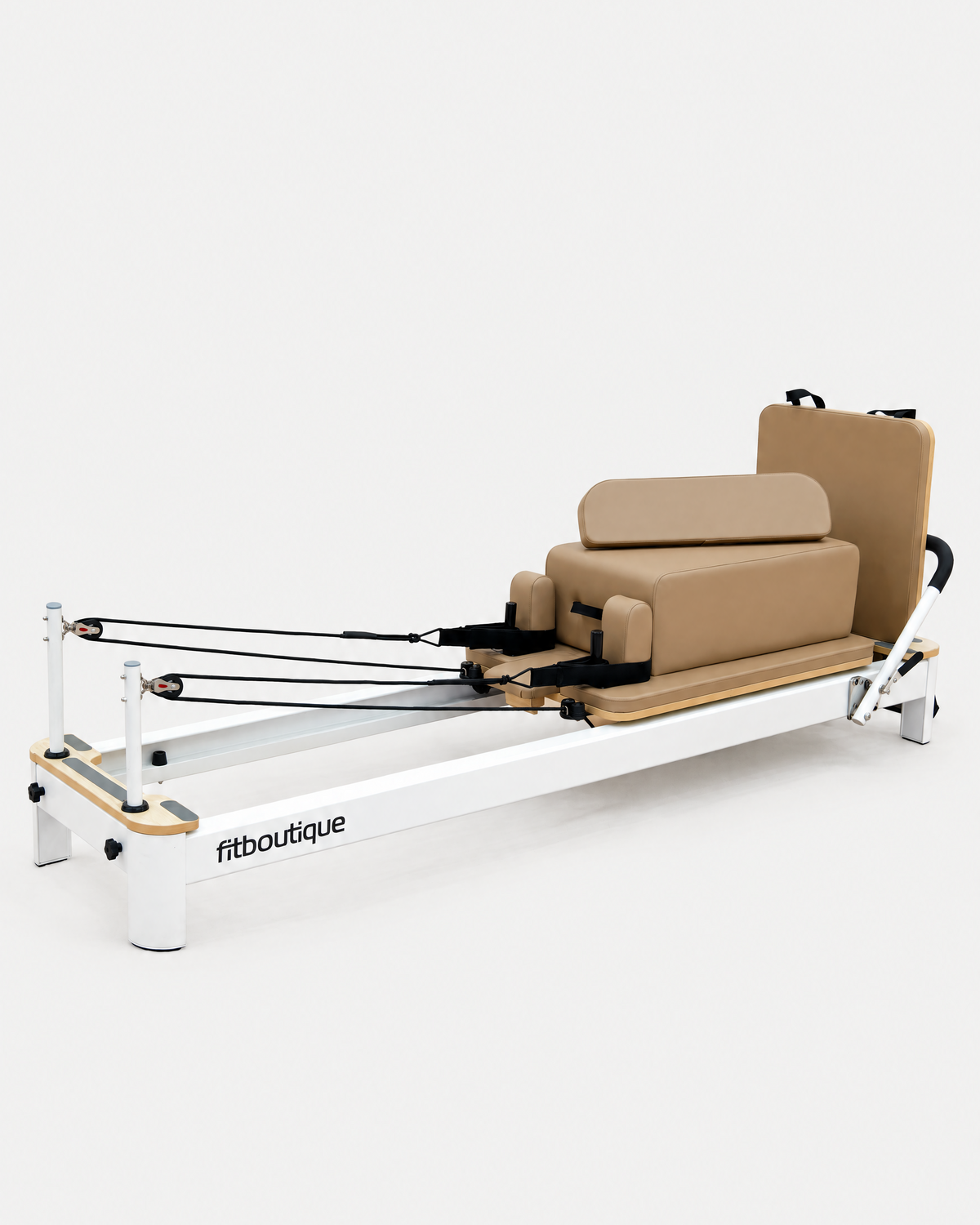
So the reformer is not harder or easier. It is more adjustable in both directions, which is why the same machine suits a beginner and somebody twenty years in. If you want the range without the studio, the Onyx Reformer is stable enough for demanding work at home, and the 6 spring setup gives you enough resistance range that you will not outgrow it in a year.

The piece of equipment nobody warns you about
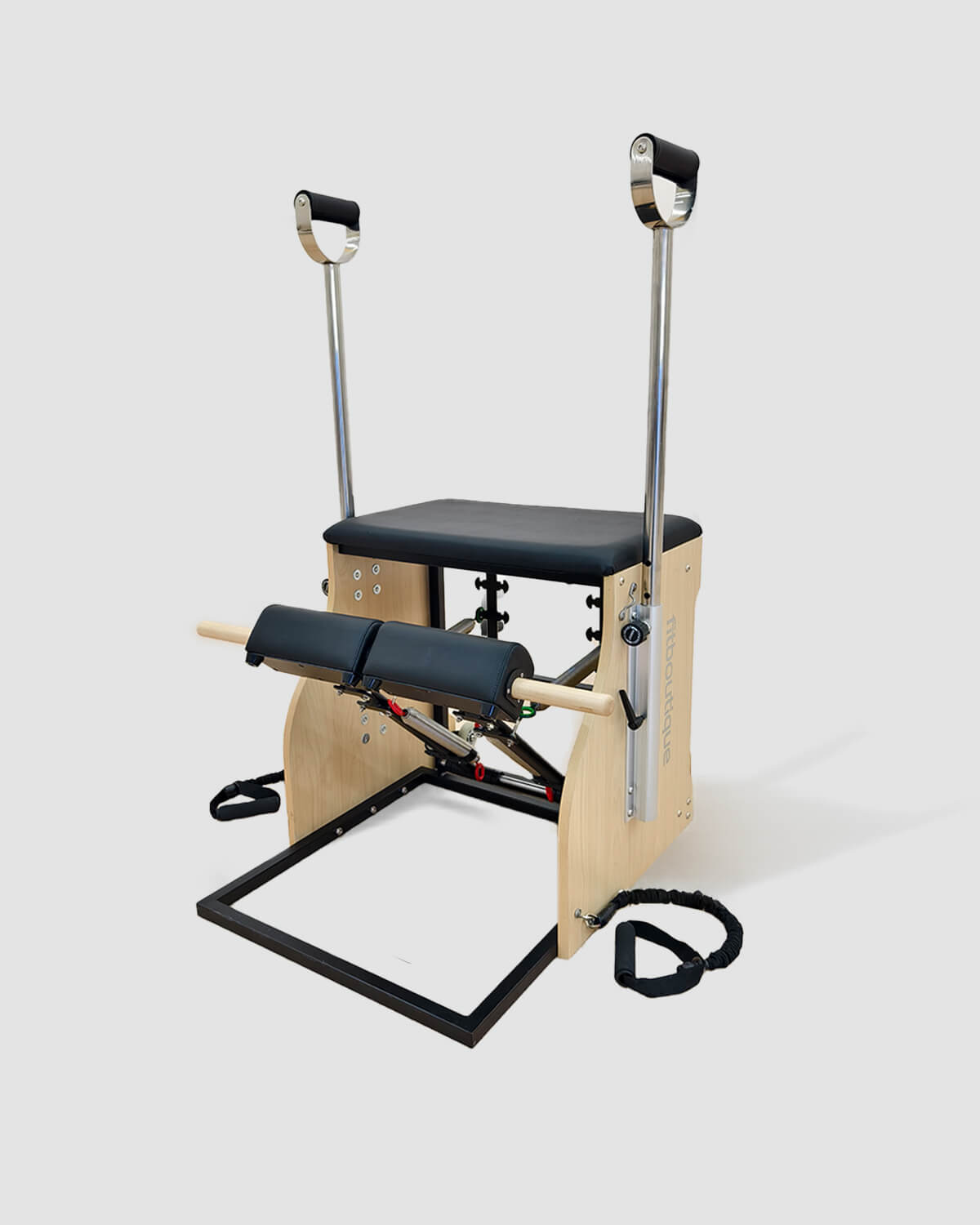
Here is my real answer, and almost nobody expects it. The hardest Pilates I have ever done was not on a reformer or a mat. It was on the Pilates Chair.
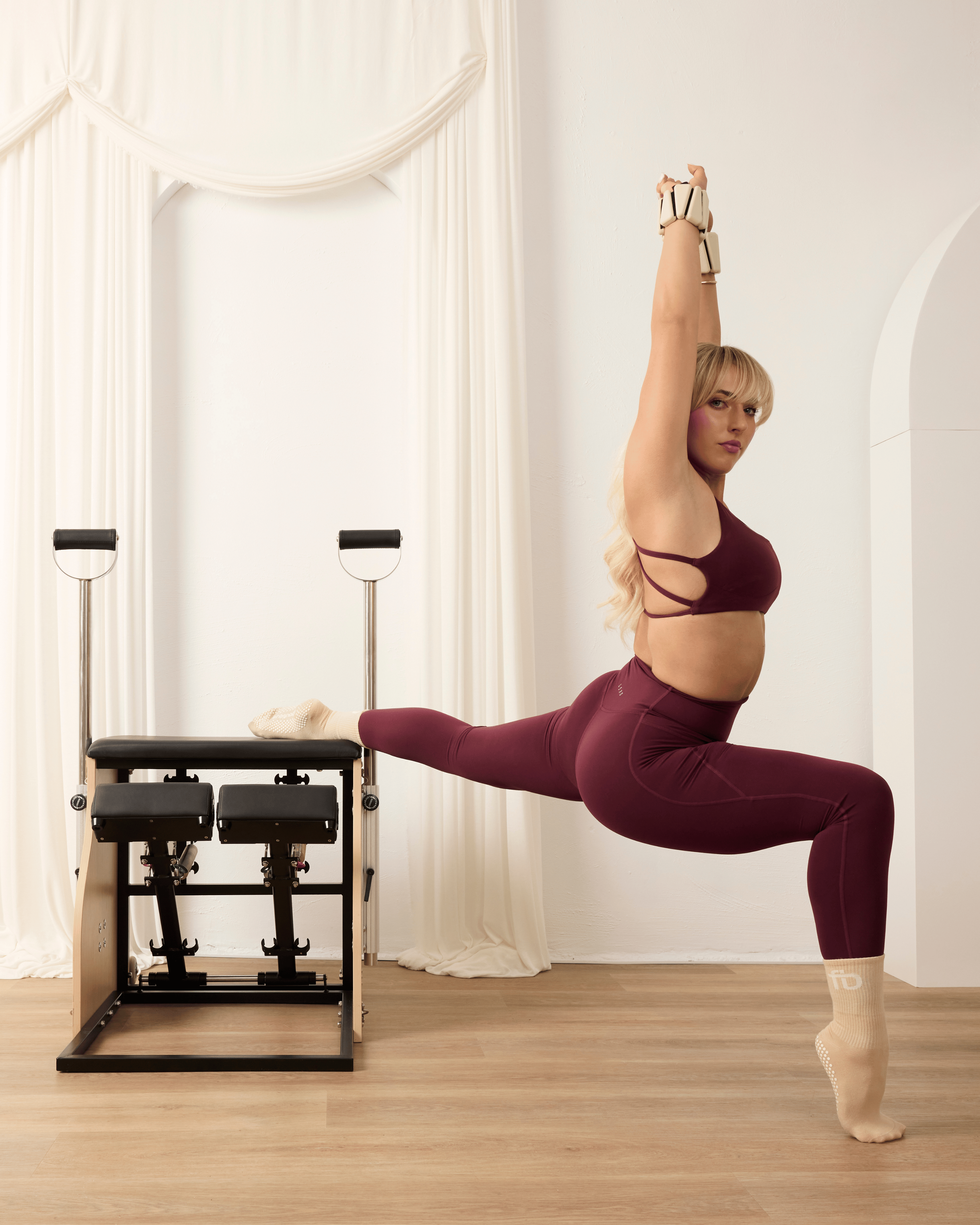
The chair is small, it looks unthreatening, and it is brutal. There is no carriage to lie on and no long frame to brace against. Your working surface is roughly the size of a seat, so every exercise happens with your body stacked over a tiny base, and the pedal gives you almost no assistance. Where the reformer supports you into a position, the chair asks you to get there yourself and then hold still.
Push down on the pedal with one leg and try to keep your hips level. That is it. That is the whole exercise, and it is harder than most things I do on a reformer. The chair strips out every bit of leverage you did not realise you were relying on.
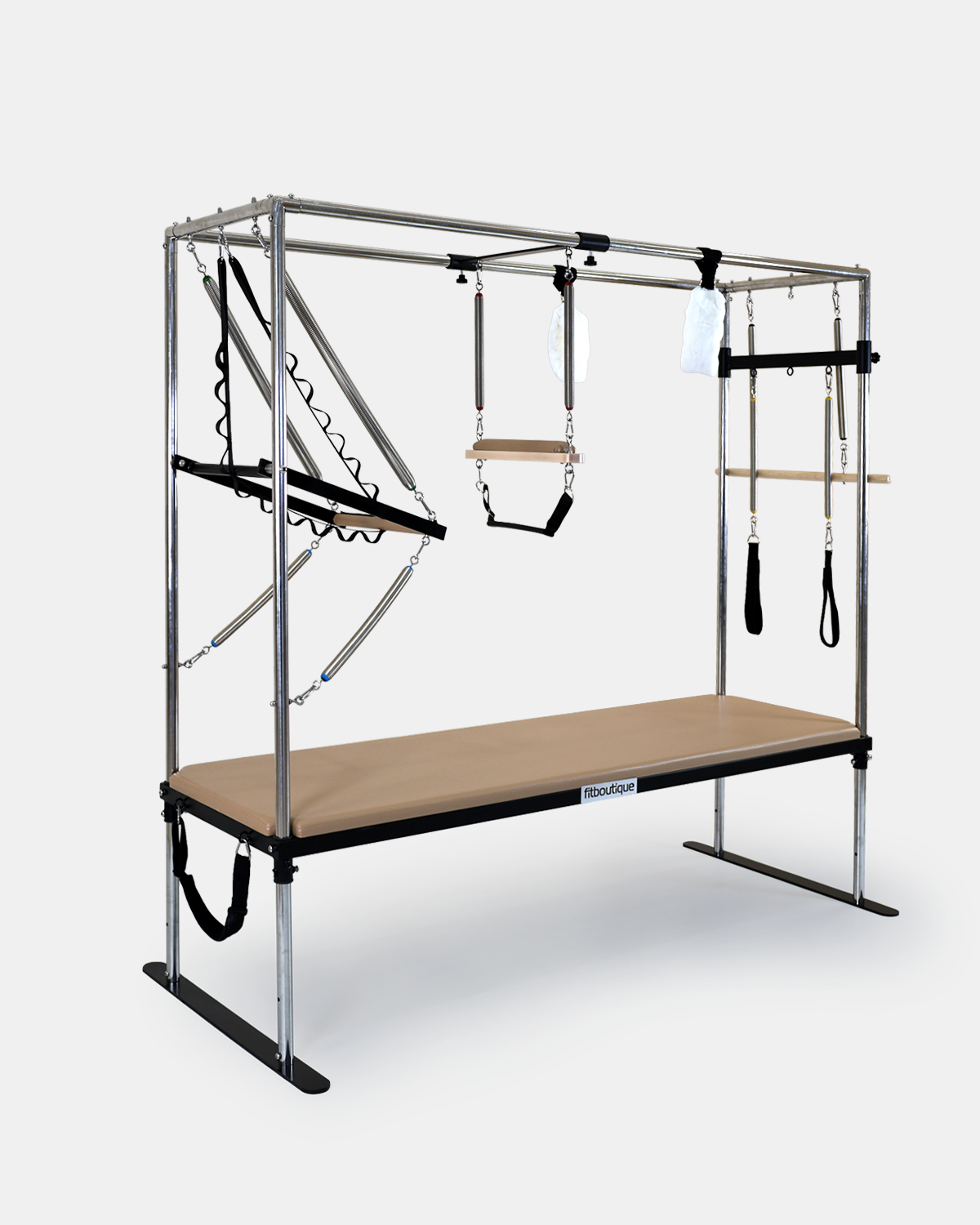
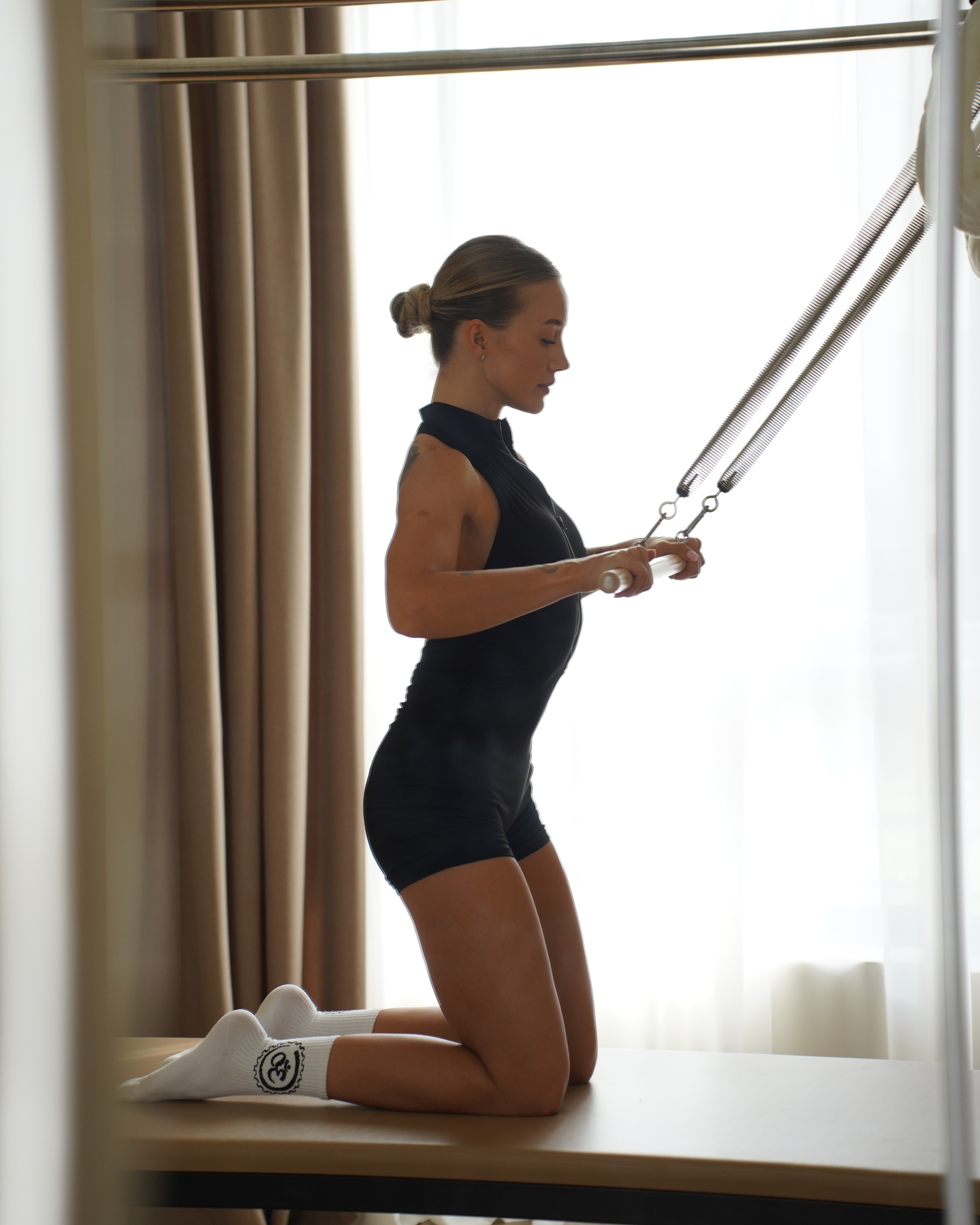
The Cadillac Reformer is a different beast again. It is not harder in the shaking sense, but the overhead and hanging work asks for upper body strength that Pilates people often have not built, and that catches people out.
The exercises that expose everybody
Regardless of style, the same handful of movements come up whenever I ask people what breaks them.
- The Teaser. Lift your torso and legs into a V at the same time and hold. It looks like a sit up and it is not. It is a test of whether you can control the middle of the movement rather than throw yourself through it.
- The Jackknife. Legs and hips travel straight overhead and come down under control. Strength, flexibility and balance all at once, and a shortfall in any one of them shows immediately.
- The Boomerang. Essentially a teaser and a rollover joined into one flowing sequence. Coordination is the limiter here more than strength.
- The Snake and Twist. Full body weight through the arms while the torso rotates. If your plank is shaky, this will find it in about two seconds.
- Control Balance. Weight across the shoulders, legs alternating overhead. The name is the instruction. Rush it and it stops being safe.
If those feel a long way off, they should. Start with the basics and build properly, because every one of those movements is just a well executed fundamental with the assistance taken away.
What actually makes a session hard
This is the part I wish more people understood, because it means you can make any session harder without learning a single new exercise.
Tempo is the biggest lever. Take a movement you find easy and do it over eight counts out and eight counts back. Most people cannot finish ten repetitions. Nothing changed except time under tension.
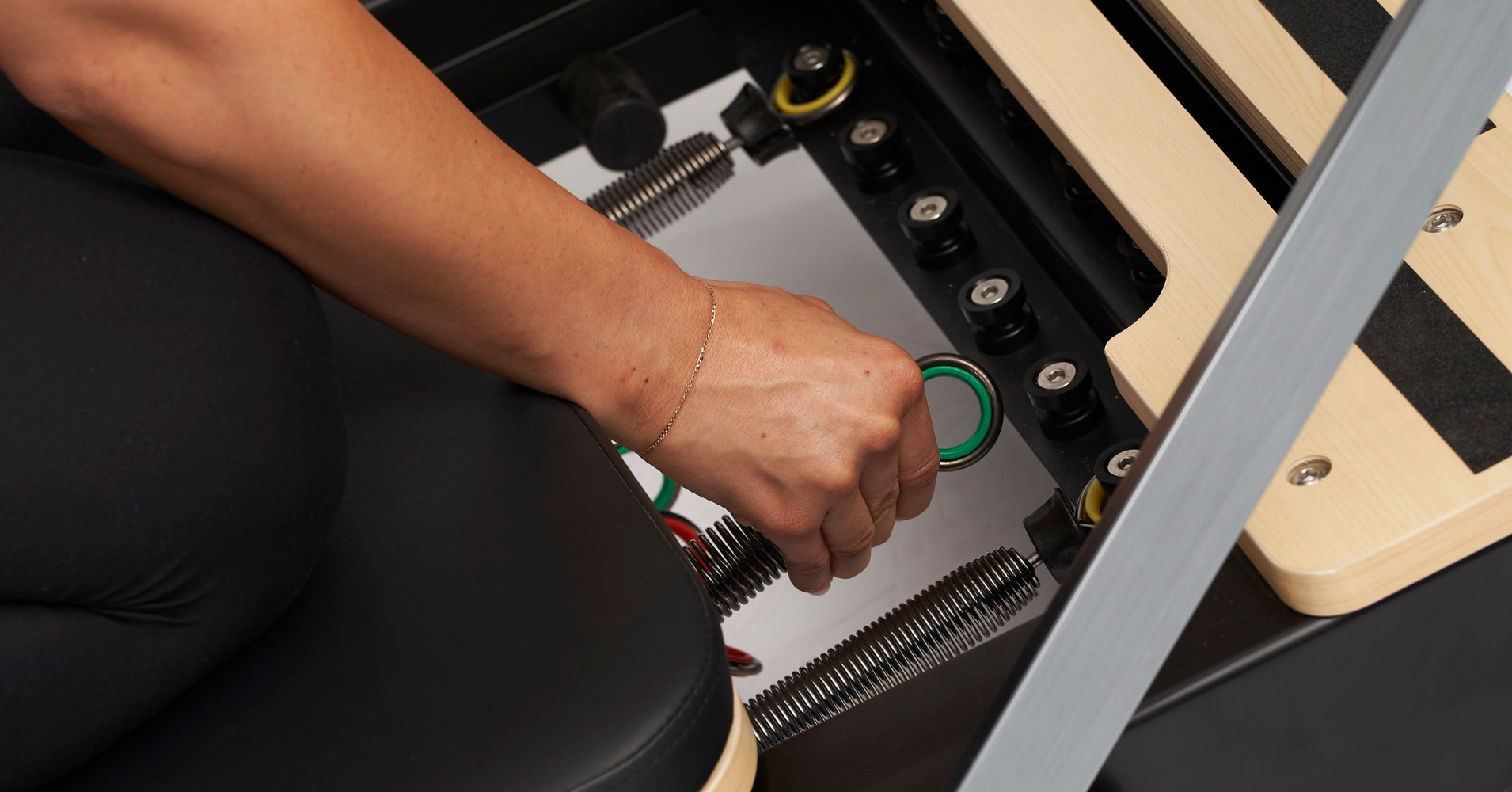
Spring choice is the second, and it works in a direction people find counterintuitive. Heavier springs are not always harder. On many reformer exercises a lighter spring is significantly harder, because the spring is no longer stabilising you and your body has to do that job instead. Instructors call the light springs the honest ones for a reason.
Range is the third. Most people work in the range where they feel strong and stop where it gets uncomfortable. The last few centimetres, where you have almost no leverage, is where the actual work lives.

Should you be chasing the hardest?
Mostly, no. And I say that as somebody who enjoys the hard stuff.
Advanced Pilates is not a badge, it is a consequence. The people I know who move through the difficult repertoire comfortably did not get there by attempting it early. They got there because their basics became so reliable that the advanced work stopped being a different category. Their footwork was excellent, so their teaser was possible.
The other thing worth saying plainly is that difficulty and risk sit close together. A movement you cannot control is not training, it is a gamble, and Pilates is meant to be the thing that keeps you out of trouble rather than the thing that puts you in it.
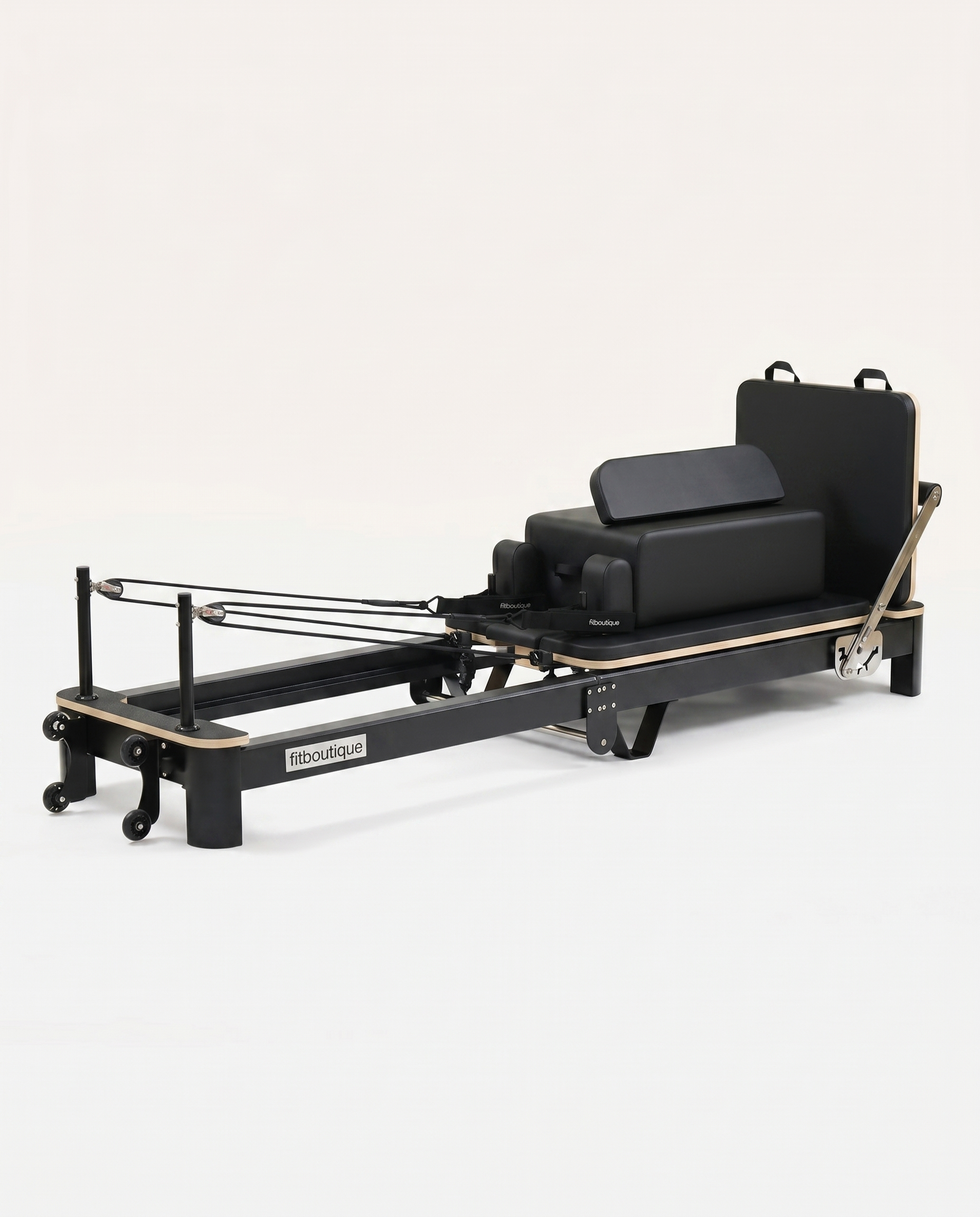
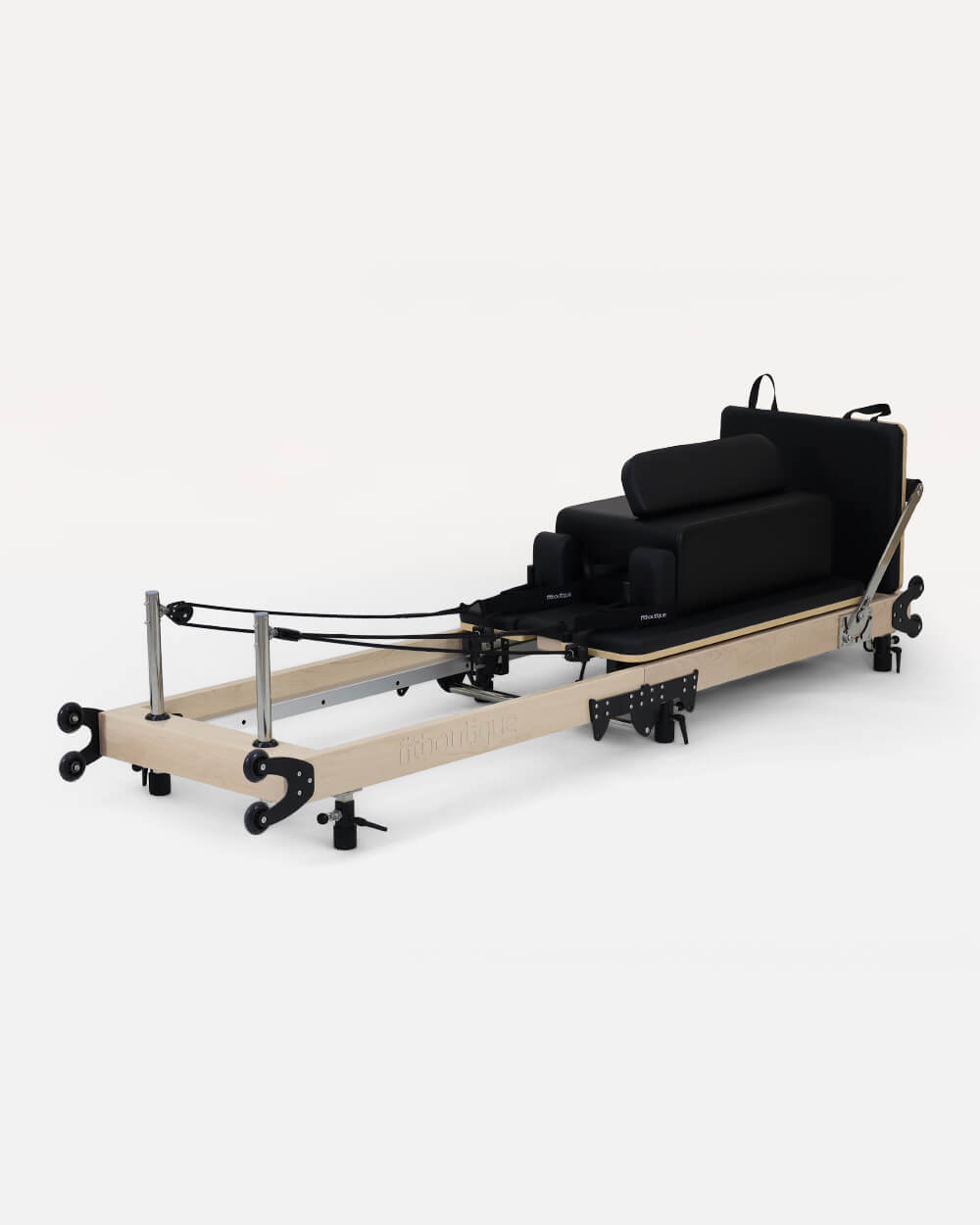
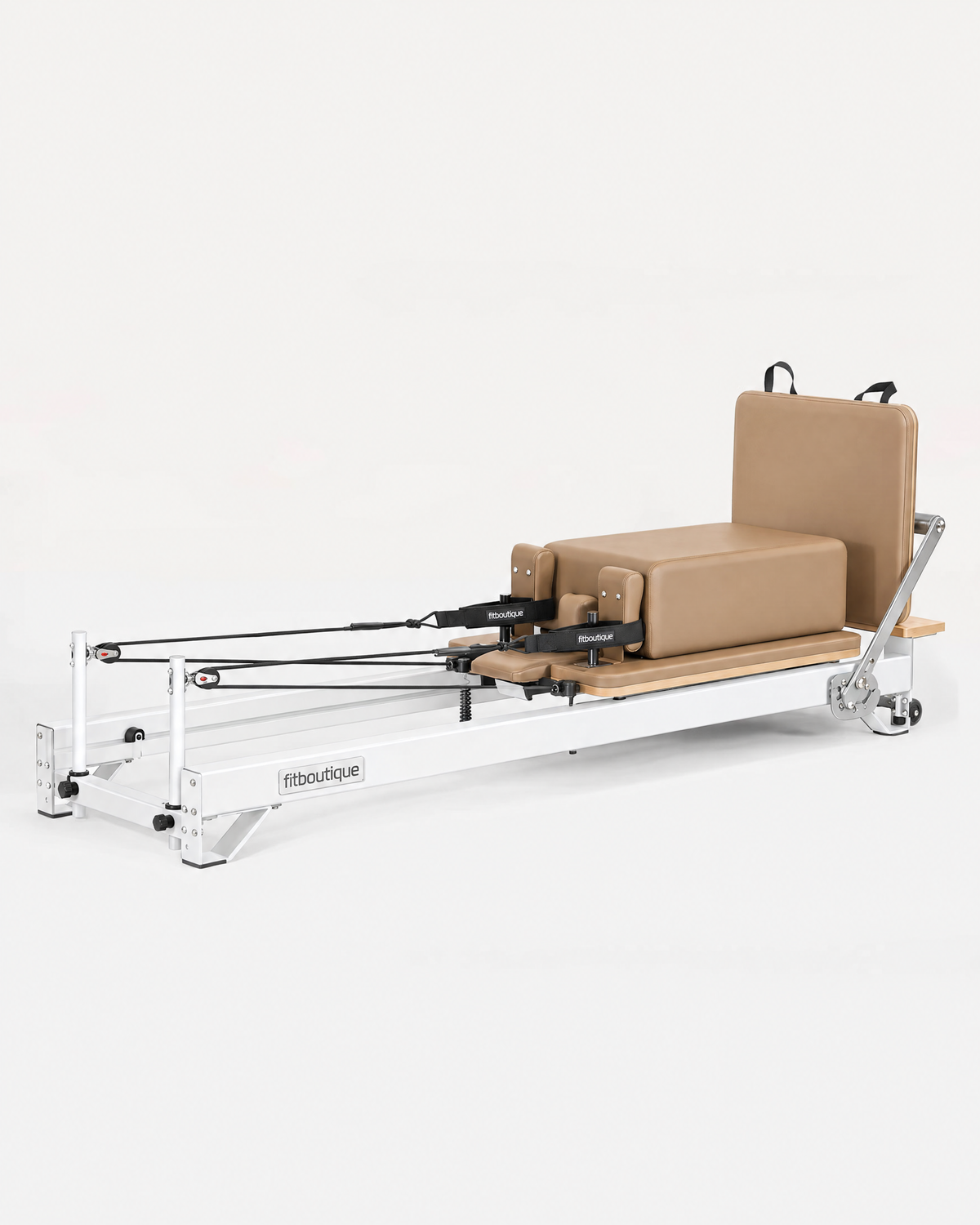
If you do want to push, do it on equipment that will not argue with you. A machine that flexes or catches under load makes hard work unsafe rather than useful. If your reformer has a permanent home, The Studio Reformer and the Space Black Reformer both give you that planted, commercial grade feel. If it needs to pack away between sessions, the Onyx Fold Reformer and the Ivory Reformer are built to identical specifications and fold upright when you are done.
A Note From Ayrah
Here is the thing nobody tells you, and it took me an embarrassingly long time to work out for myself.
Pilates gets harder the better you get at it. Not the repertoire, the same exercises. My footwork sessions at year four were harder than my footwork sessions in month two, on the same springs, at the same tempo.
The reason is that your ability to feel the right muscle improves much faster than your strength does. Early on, you do a hundred repetitions and your body quietly distributes the work anywhere it likes. Your quads take the leg work, your hip flexors take the core work, your neck takes whatever is left. It feels manageable because you are cheating without knowing it.
Then one day you feel exactly where a movement is supposed to sit, and you cannot unfeel it. Now the correct muscle is doing the correct job with no help, and ten repetitions is genuinely difficult. Nothing about the exercise changed. You did.
So if you have been at this a while and your sessions feel harder rather than easier, do not read that as going backwards. That is what progress actually feels like from the inside, and it is the single most misread signal in Pilates.
Frequently Asked Questions
Is classical or contemporary Pilates harder?
Classical is harder over a full session because the sequence is fixed, the transitions are part of the work and there are no rest points built in. Contemporary can be harder in individual moments, since instructors add load, tempo work and elements borrowed from strength training. If you want relentless, choose classical. If you want peak intensity, choose contemporary.
Is reformer Pilates harder than mat Pilates?
It is both, and that is the point of the machine. The springs can support part of your body weight, which makes some movements more achievable than they are on the mat. The same springs make other movements far harder, because the carriage moves underneath you and you have to control it as well as yourself. The reformer is more adjustable in both directions rather than simply harder.
What is the single hardest Pilates exercise?
The Jackknife is the one most people name, because it needs strength, flexibility and balance at the same time and a shortfall in any one shows instantly. The Teaser and the Boomerang come up almost as often. None of them are trick movements, they are fundamentals with the assistance removed.
Is the Pilates Chair harder than the reformer?
For most exercises, yes. The working surface is roughly the size of a seat, so you are stacked over a very small base with no long frame to brace against and very little assistance from the pedal. Single leg work on the chair is harder than the equivalent on a reformer for almost everybody who tries both.
Are heavier springs always harder?
No, and this surprises people. On plenty of reformer exercises a lighter spring is significantly harder, because a heavy spring partly stabilises you and a light one leaves that job to your own body. Instructors often describe the light springs as the honest ones for exactly this reason.
How long before advanced Pilates moves are realistic?
It depends far more on how well you do the basics than on how long you have been training. People who drill footwork, bridging and abdominal series properly tend to find the advanced repertoire opens up on its own. People who chase the hard exercises early usually stall, because the advanced movements are just fundamentals without the support.
Should beginners try the hardest exercises?
Not yet, and there is no benefit in rushing it. A movement you cannot control is not training. Build the basics until they are boringly reliable, then the difficult work becomes a natural next step rather than a risk.
Built For The Work You Are Building Towards
Commercial grade reformers with a 6 spring system, free delivery Australia wide and a 5 year warranty, whether your machine lives out or folds away.
Compare Every Reformer
Written by Ayrah Yuso
I'm part of the FitBoutique team and have a solid passion (and love) for all things exercise related, including Reformer Pilates
















Leave a comment