






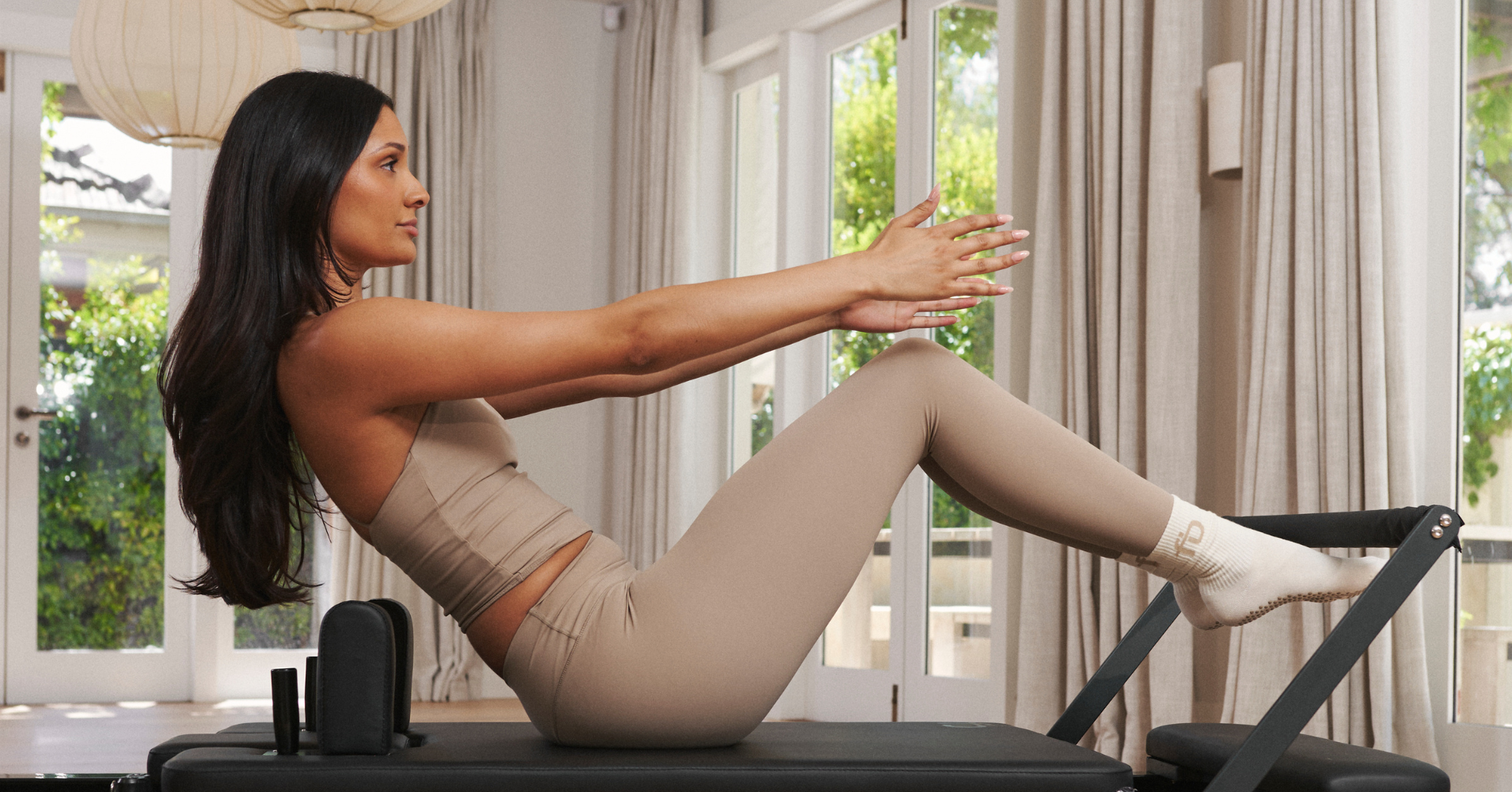
What Happens If You Do Reformer Pilates Everyday?
I did reformer Pilates every single day for eight weeks to find out what actually happens, and the answer is more interesting than either of the two things people expect. It did not transform me in a month, and it did not wreck me either. What it did was teach me that the word everyday is doing a lot of hidden work in this question, because daily practice and daily intensity are completely different propositions. One of them is one of the best things you can do. The other one gave up on me in week five, and not in the way I assumed it would.
In this article
Week one, novelty and soreness
Week one is easy and misleading, and that combination is exactly why people get into trouble.
You are fresh, you are motivated, and the sessions feel great. The soreness that arrives on days two and three is the interesting kind, the sides of the hips and the outer glutes and the small muscles along the ribs, and it feels like proof rather than warning.
The mistake almost everybody makes here, me included, is reading week one as the baseline. It is not. It is the honeymoon. Your body has not yet started accumulating anything, because fatigue takes a fortnight to build up and week one is spending reserves you did not know you had.
Weeks two and three, the part that surprised me
This stretch was genuinely excellent, and it is the reason I would still recommend daily practice to the right person.
Two things landed that I did not expect. The first was sleep. I have never had trouble sleeping, so I assumed there was nothing to gain, and the depth of it changed noticeably inside a fortnight. Not the length, the quality.
The second was the mental side, and I say this as somebody who was fairly sceptical about that claim. When you are on the carriage tracking your own breath and holding a position that demands attention, there is genuinely no room left for anything else in your head. Twenty minutes of that daily does something to a busy week that a twice weekly session never quite managed for me.
Physically, flexibility moved fastest. Faster than strength, faster than tone, and considerably faster than it ever moved on three sessions a week. Range responds well to daily repetition in a way that strength does not, and that is a real argument for training often.

Weeks four and five, where it went wrong
By week four I was tired in a way I could not point at, and by week five something specific gave out. It was not what I expected.
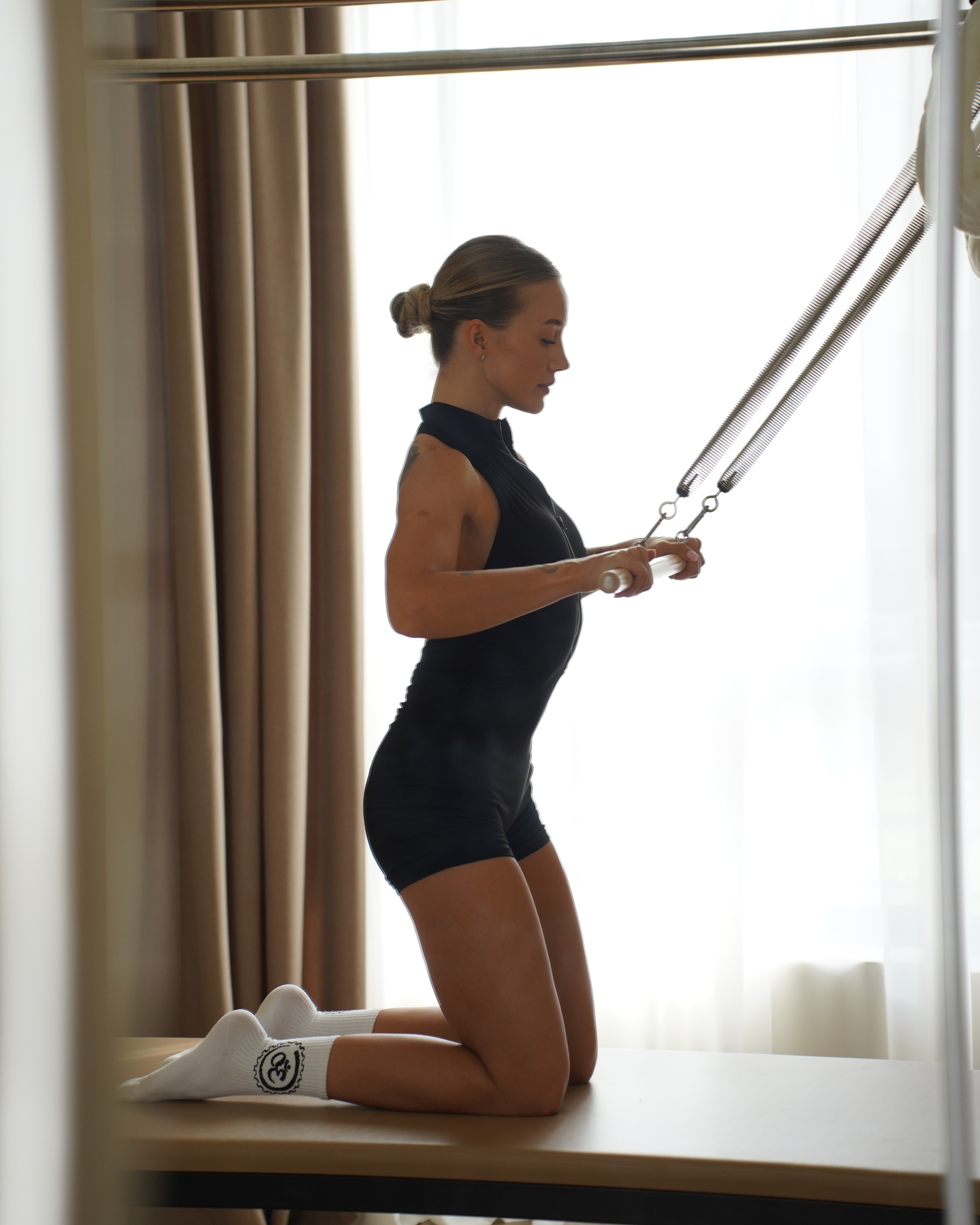
It was my hands. My grip and forearms were shot from the strap work, to the point where the ropes were the limiting factor in exercises that had nothing to do with grip strength. My feet were sore from the footbar. The small things quit long before anything big did.
Alongside that, the drift set in. My sessions had quietly got shorter. My springs had got lighter without me deciding anything. The exercises I disliked had disappeared from the routine entirely. I was still training seven days a week and I was doing meaningfully less work than I had been at three sessions, and I was more tired doing it.
That is the honest failure mode of daily Pilates. Not injury, not burnout in any dramatic sense. Just a slow quiet reduction in quality that you do not notice because the streak is intact and the streak is what you are watching.
Daily is fine, identical is not
Here is the conclusion I actually landed on, and it changed how I train.
Doing something on the reformer every day is not the problem. Doing the same intensity every day is the problem. Your body does not object to daily movement. It objects to daily load with no variation, because adaptation happens during recovery and you never gave it any.
This is where Pilates differs from most training, and it is genuinely an advantage. A light reformer session is not a compromised version of a hard one. Slow tempo, light springs, generous range work is legitimately valuable on its own terms, and it is also actively restorative. You can train on a recovery day in a way you cannot with heavy lifting.
So daily works. Daily at full noise does not. That distinction is the entire answer to this question and it gets lost because the word everyday flattens it.

What daily practice genuinely gives you
Flexibility and range, first and most clearly. Nothing I have tried moves range as fast as daily practice.
Movement quality second. When the gap between sessions is never more than a day, you never lose the feel of a position, so technique improves quickly rather than resetting each time.
The habit itself third, and this one is underrated. Something you do daily stops being a decision. Around week three it slotted in beside my morning coffee, and I was no longer negotiating with myself about it. That is worth a great deal over a year.
And the mental piece, which I would now put higher than I would have before I tried it.
What it costs you
Strength progress, mostly. Muscle adapts while you recover, and constant training without variation means you keep interrupting the process. My strength moved less over eight daily weeks than it had over eight weeks of three well structured sessions, which was a genuinely humbling thing to discover.
Attention, second. Seven sessions a week is a lot of hours, and those hours came from somewhere. Some of them came out of sleep, which is the worst possible trade.
And the small joints and connective tissue, which is the one to actually watch. Muscles recover fast. Tendons in the hands, wrists, feet and shoulders do not, and they are what accumulate the damage when the frequency is high and the variation is low.
How to structure a daily week properly
If you want to train daily, this is how I would do it now.
- Three full sessions. Non consecutive. Heavier springs, the exercises you want to progress, full effort and full attention. These are the ones doing the strength work.
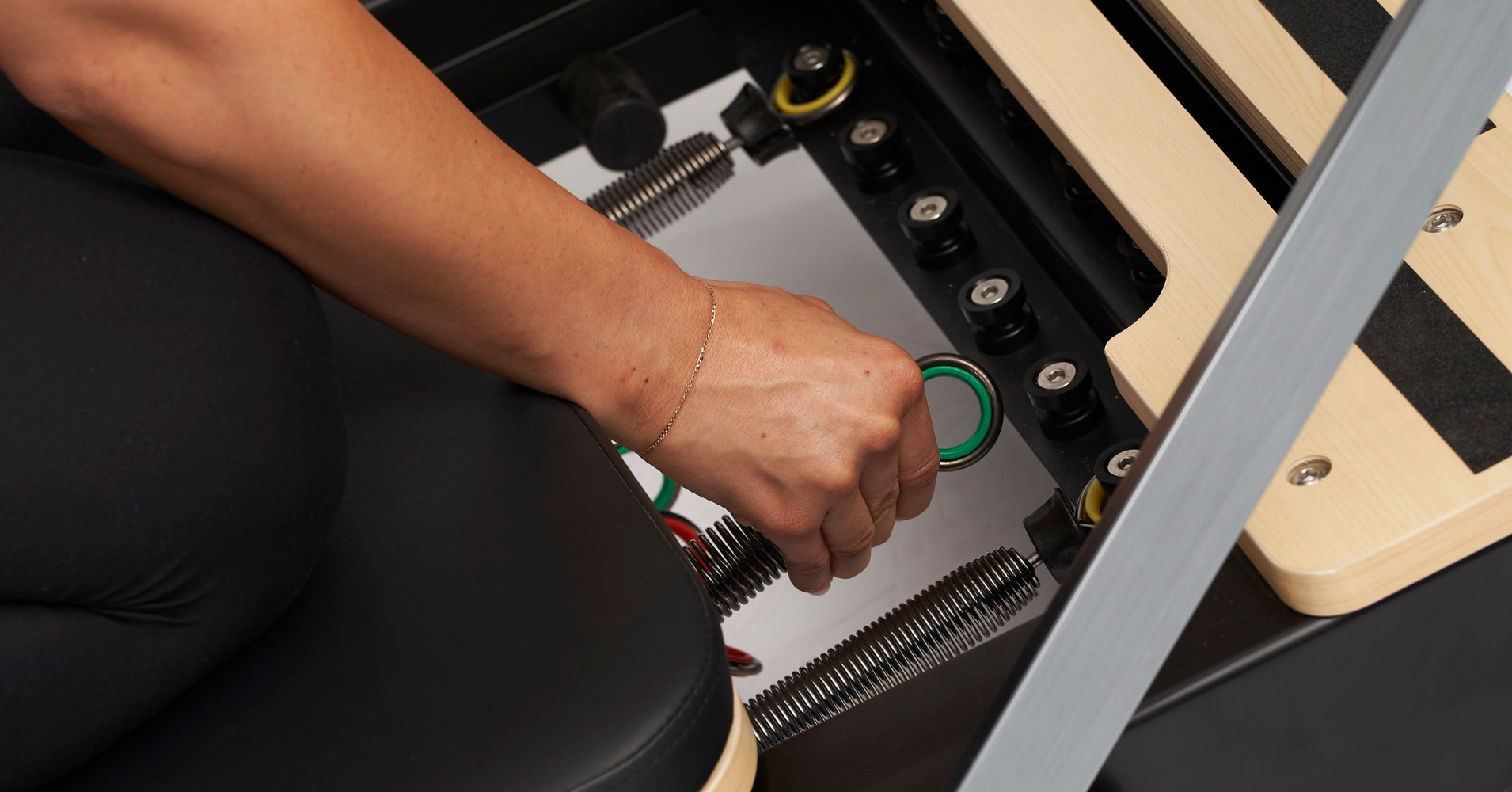
- Three light sessions. Twenty to thirty minutes, light springs, slow tempo, mobility and range. You should finish these feeling better than when you started. If you finish them tired, they were not light sessions.
- One genuinely different day. Walk, swim, stretch on the mat, anything that is not the reformer. This is not a rest day in the lying down sense, it is a variation day, and it is what protects the small joints.
- Watch your hands and feet, not your muscles. Grip fatigue and sore feet are the earliest reliable signals that the volume is too high. They show up well before anything serious does.
- Audit yourself fortnightly. Write down your springs and your session length. If both have quietly drifted down over two weeks, the drift has started and it is time to cut back to three or four sessions.
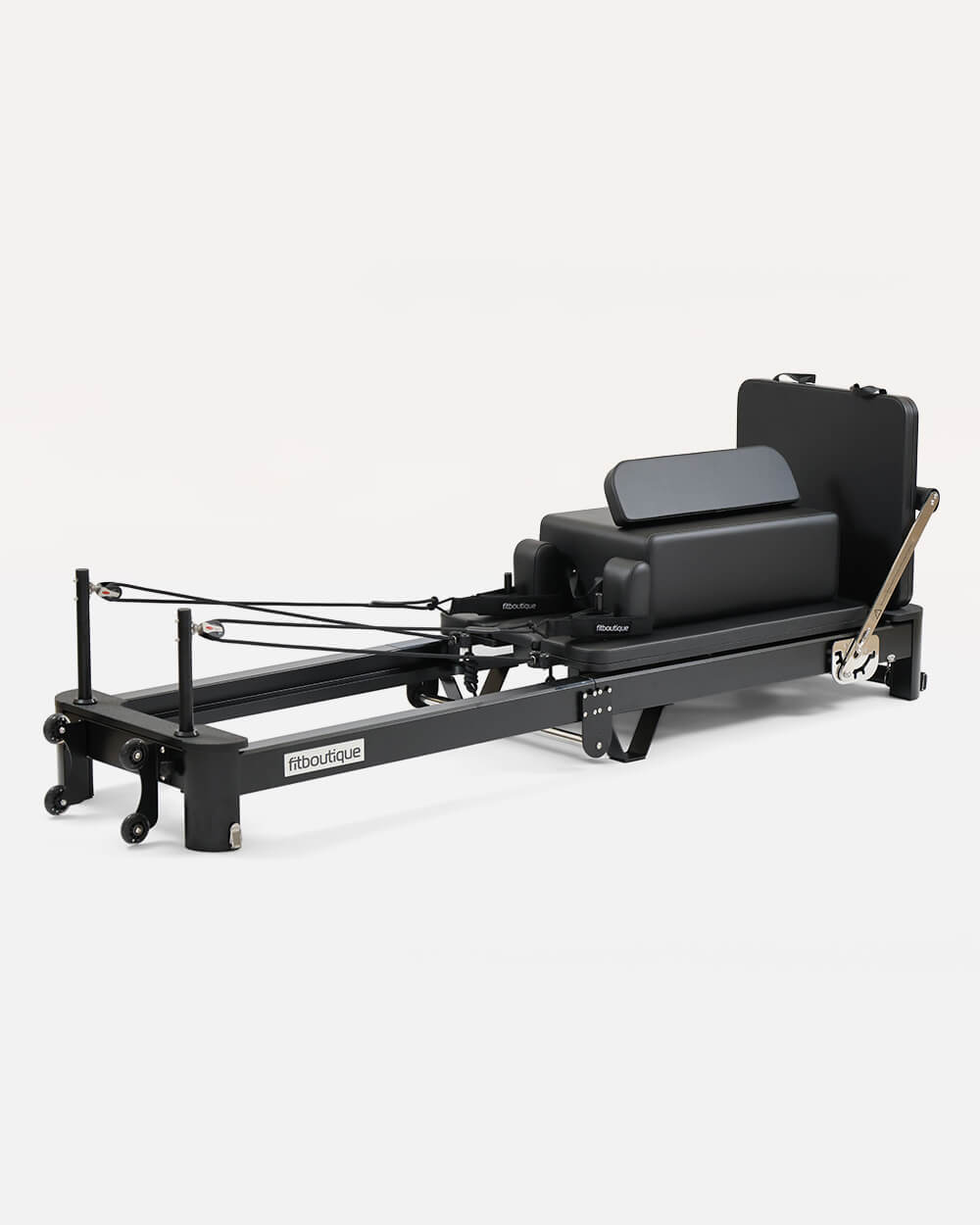
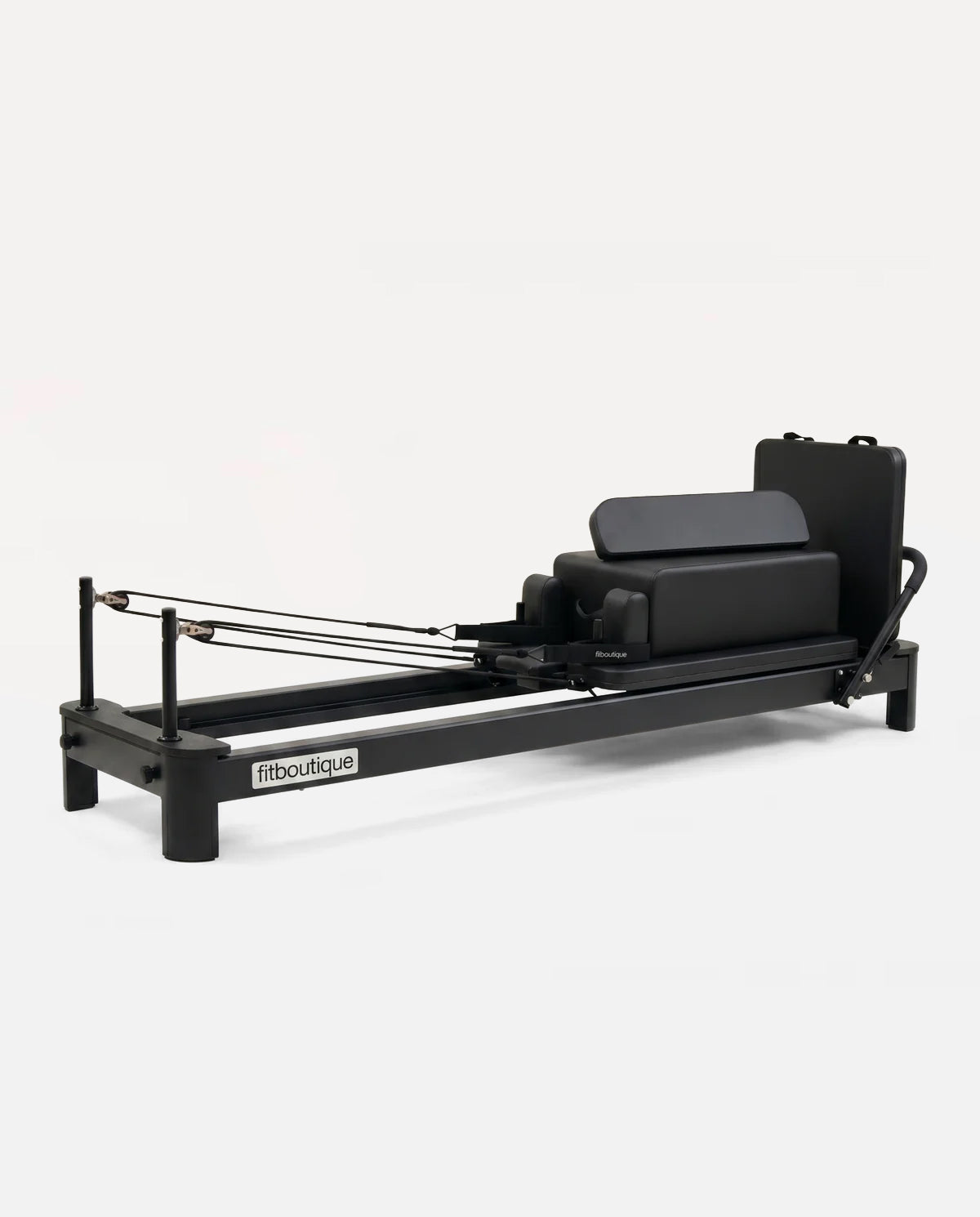
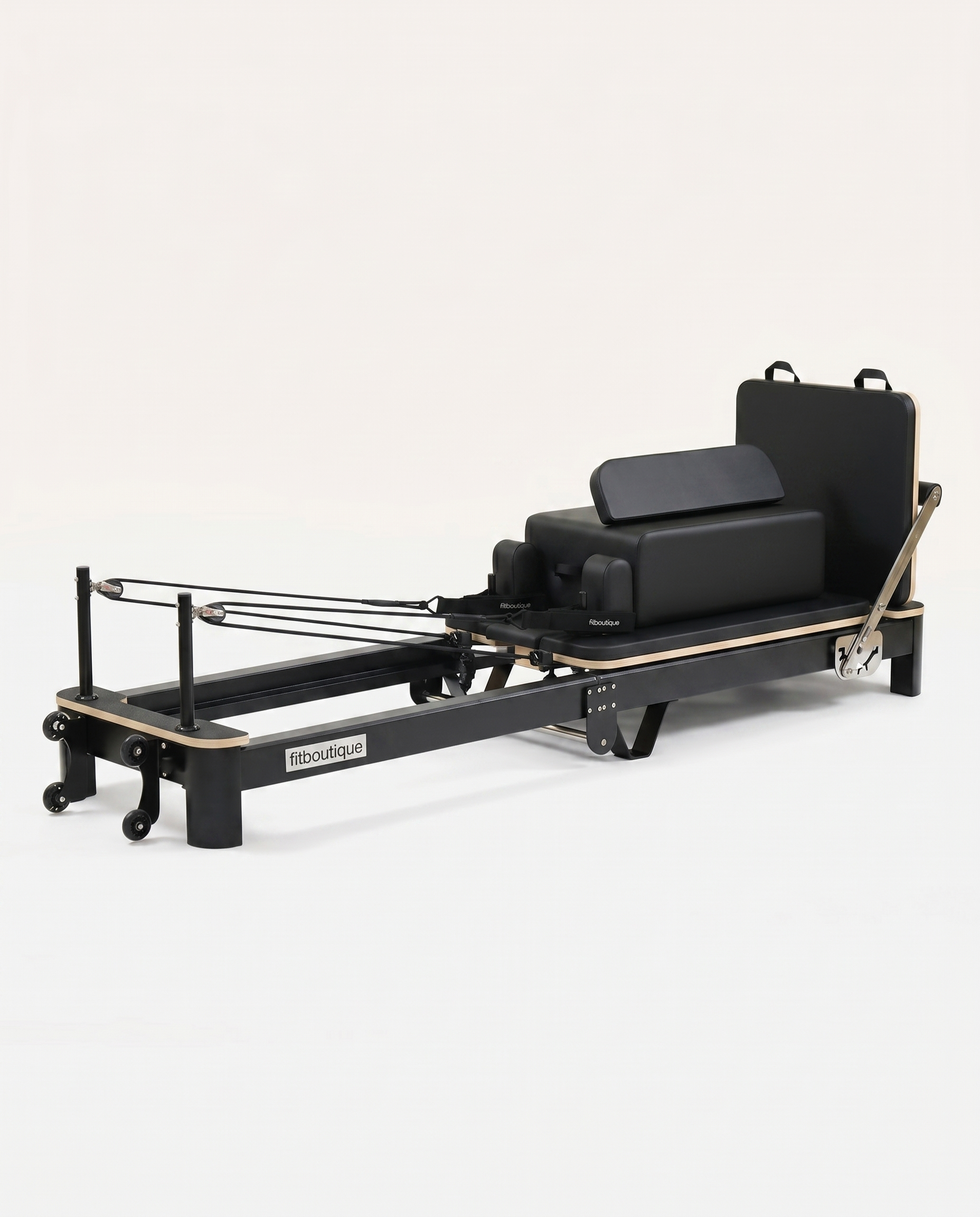
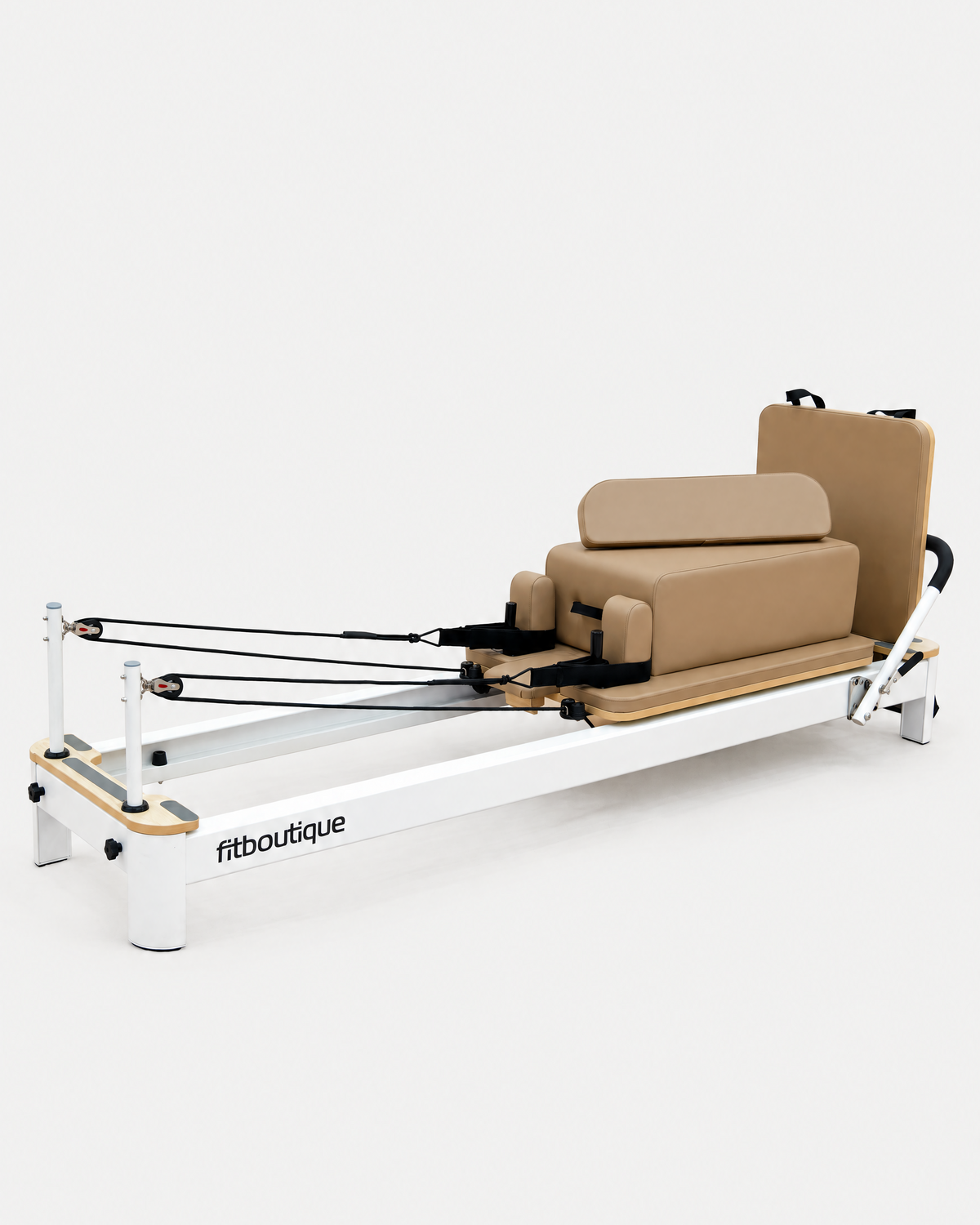
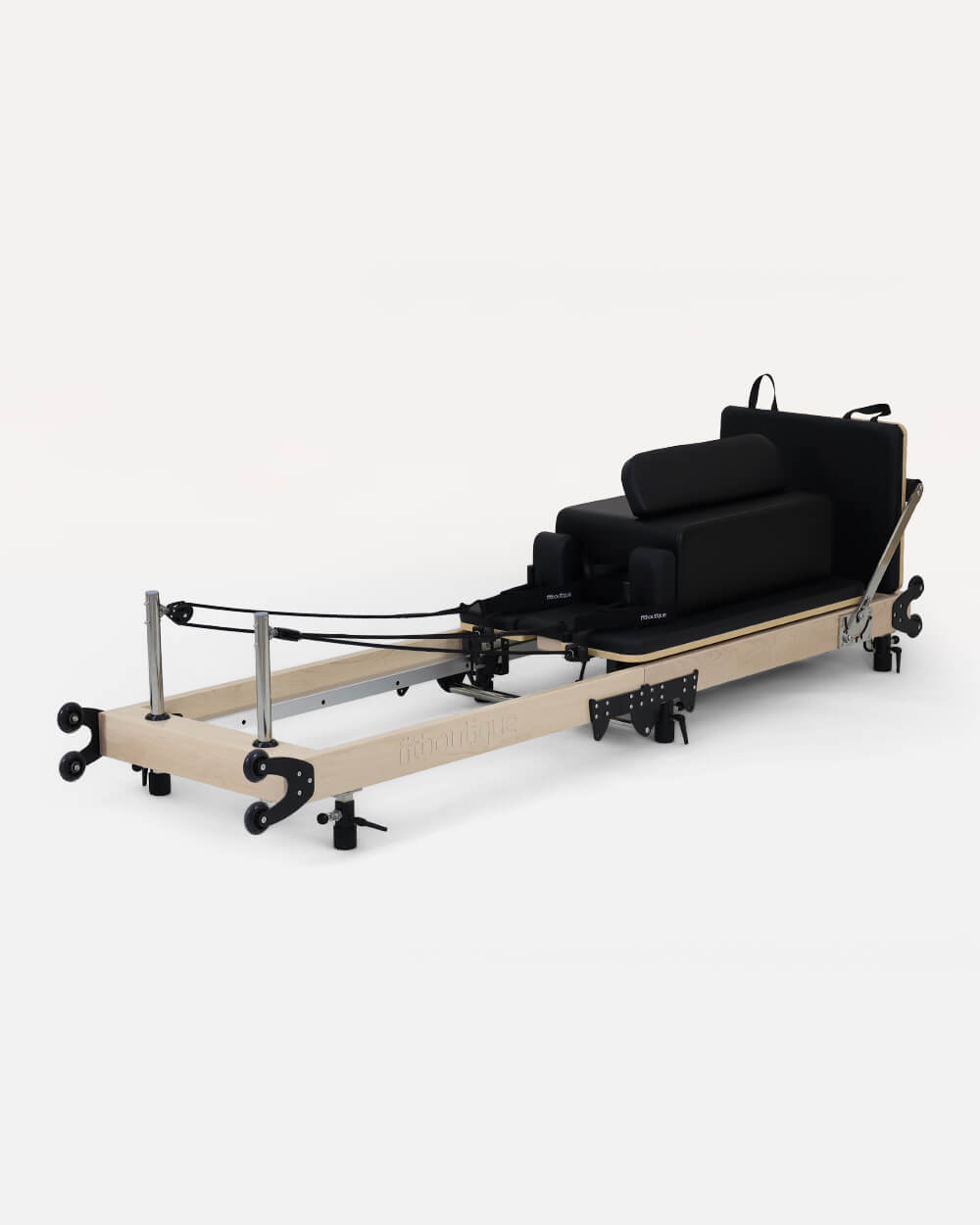
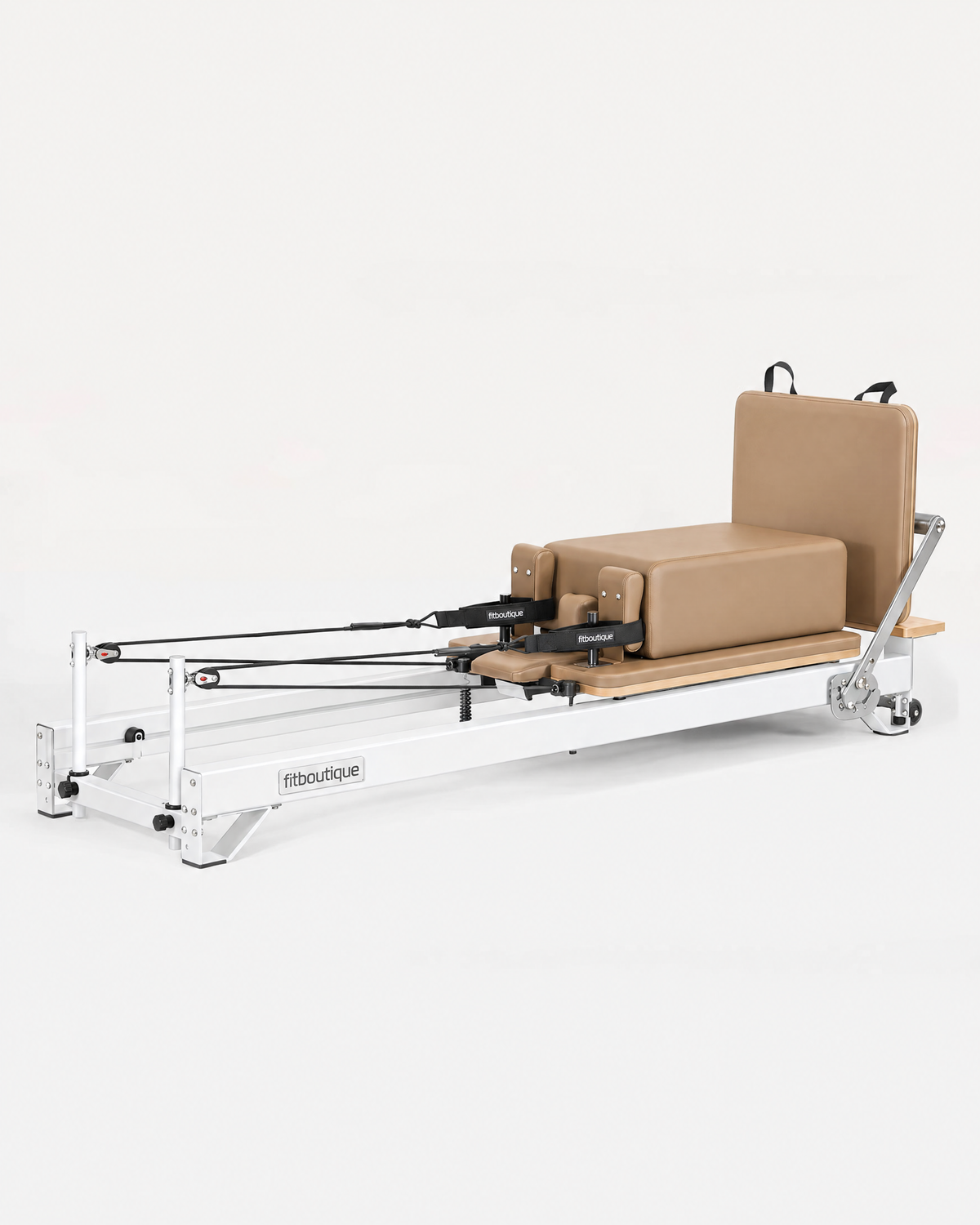
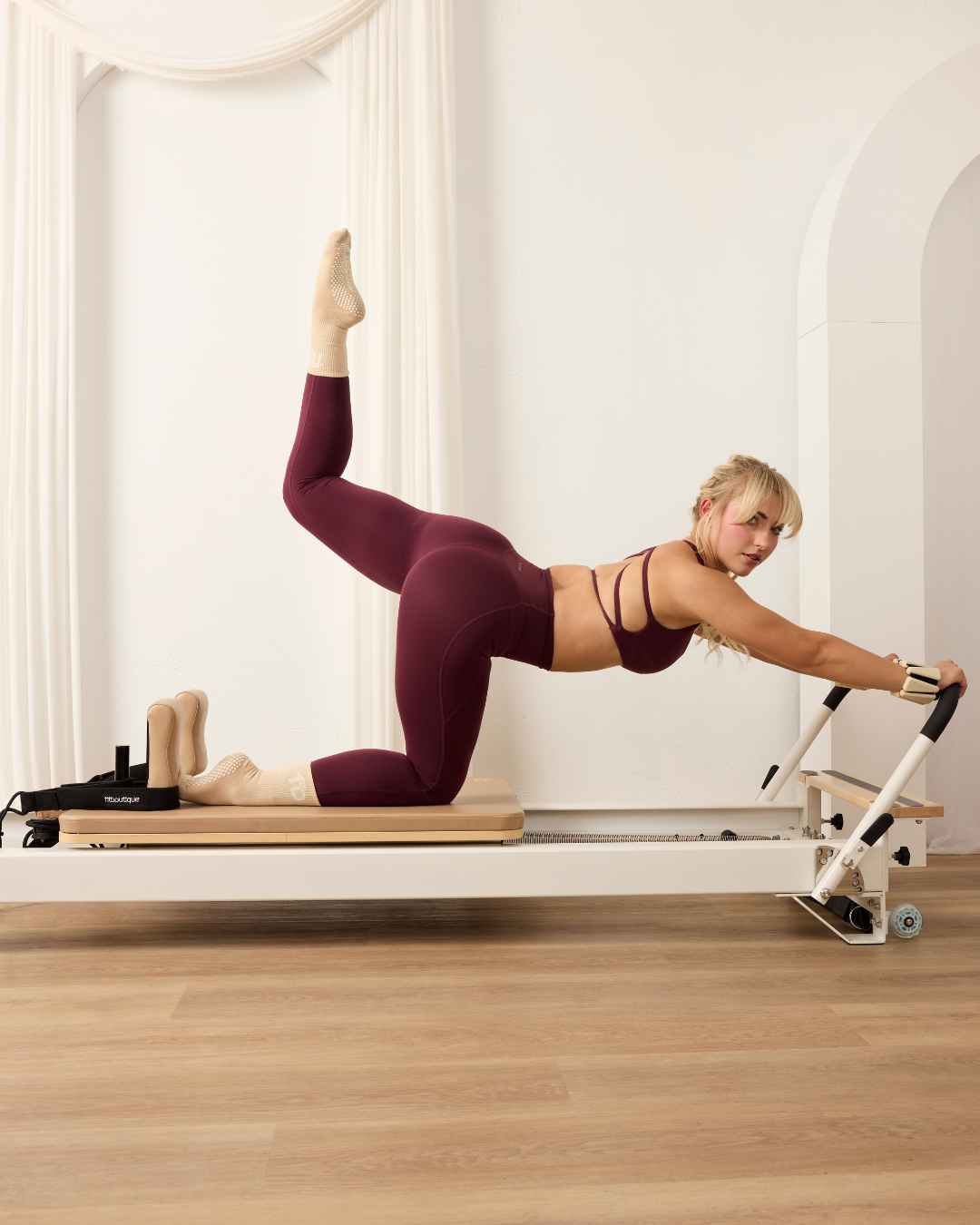
Training daily really does require a machine at home. I would never have completed eight consecutive days on a booking system. I use the Onyx Fold Reformer for most of my sessions because it folds upright and gives the room back, the Ivory Reformer is the same machine in a lighter finish, and the timber Maple Crest Reformer is the one people are most willing to leave standing out, which matters more than it sounds.

Who should not do this
If you are in your first two months of reformer Pilates, do not train daily. Your form is still forming, and daily practice with unrefined technique means you are repeating an error seven times a week instead of three. Build to it.
If you are managing a joint issue or coming back from an injury, this is a conversation for whoever is looking after you rather than something to decide from a blog.
And if reformer Pilates is sitting on top of a serious training load already, running or lifting several times a week, daily reformer work is competing for recovery you have already committed. Two or three sessions alongside that is the better arrangement, and I have written more about finding the right weekly frequency.
A Note From Ayrah
Nobody warns you that your hands go first.
I went into this expecting my core to be the limiter, or my legs, or some general sense of being worn out. What actually ended the experiment was gripping. By week five my forearms were so fatigued that I could not hold the straps properly through a long series, and because I could not hold them properly, my shoulders started compensating. An exercise that had nothing to do with grip strength was being ruined by grip strength.
My feet were the same story. Standing footwork on the bar every single day, and the soles of my feet simply had enough.
There is a lesson in that which goes well beyond doing Pilates daily. When you increase the frequency of anything, the failure does not happen in the big muscles you are thinking about. It happens in the small structures that are quietly along for the ride and getting no attention at all. Your hands, your feet, your wrists, the front of your shoulders.
So if you are going to train often, watch those. They are the early warning system, and they will tell you two weeks before anything that actually matters starts to complain.
Frequently Asked Questions
Is it bad to do reformer Pilates every day?
Not inherently, but daily at the same intensity is. Your body has no objection to daily movement, it has an objection to daily load with no recovery built in. Three full sessions and three light ones works well. Seven full sessions leads to fatigue, drifting quality and eventually less work being done than you would manage at three.
What actually happens if you do reformer Pilates every day?
Flexibility and range improve fastest, faster than on any other schedule. Movement quality improves because you never lose the feel of a position. Sleep quality often improves within a fortnight. Strength progress is usually slower than on three well structured sessions, because adaptation needs recovery you are not giving it.
Can you overtrain with Pilates?
Yes, though it rarely looks dramatic. The typical pattern is drift rather than injury. Sessions get shorter, springs get lighter, disliked exercises quietly disappear, and you end up doing less work while feeling more tired. The streak stays intact, which is why people miss it.
What are the signs I am doing too much?
Grip and forearm fatigue that never clears, sore feet, soreness in one spot lasting more than three days, disturbed sleep, and sessions gradually shortening without a decision. The small structures, hands, feet, wrists and front of shoulders, give you warning well before anything significant does.
Should beginners do reformer Pilates every day?
No, build to it over at least two months. Early on your technique is still forming, and daily practice means repeating any error seven times a week rather than three. Two to three sessions a week while you learn the movements properly will get you further.
Will doing reformer Pilates every day help me lose weight?
Not as directly as people hope. Reformer Pilates is not a large calorie burn compared with running or heavy lifting, and daily practice does not change that much. It builds lean muscle and changes your posture, which alters your silhouette. If weight loss is the goal, daily walking alongside three or four reformer sessions is a more effective structure than seven reformer sessions.
What is a light reformer session?
Twenty to thirty minutes on light springs, slow tempo, working through generous range with a focus on mobility rather than load. The test is simple. You should finish feeling better than when you started. If you finish tired, it was not a light session and it will not give you the recovery you were counting on.
Do I need my own reformer to train daily?
Practically speaking, yes. Very few people sustain daily practice on a studio booking system, because the friction of booking, travelling and returning is too high to repeat seven times a week. Daily training is really a question of how quickly you can start a session, which is why home machines make it possible.
Train As Often As You Want To
Commercial grade reformers that arrive fully assembled and fold upright when you are done. Free delivery Australia wide and a 5 year warranty.
Explore Foldable Reformers
Written by Ayrah Yuso
I'm part of the FitBoutique team and have a solid passion (and love) for all things exercise related, including Reformer Pilates



















Leave a comment