




Reformer Pilates For Weight Loss
Reformer Pilates is not a weight loss tool, and I would rather say that in the first line than sell you something it is not. It builds muscle, it changes your shape, and it very often leaves people looking noticeably different at the same number on the scales.
Whether that counts as working depends entirely on what you are actually measuring. So here is the honest version. What it does to your body, what it does not do, why the scales are the wrong instrument, and what to pair it with if fat loss is genuinely the goal.
In this article
The short answer
Fat loss happens when you use more energy than you take in, over time. That is the whole mechanism and no exercise overrides it.
A reformer session is low impact and moderate intensity. It burns a reasonable amount for its duration but it is not a high energy expenditure activity compared with running, cycling or anything sustained and hard. If you are picking a workout purely on calories per hour, reformer Pilates will not win.
What it does extremely well is build and maintain muscle, improve posture, and change the shape of the body underneath whatever weight you are carrying. That is why people who use it consistently look different in photographs even when the scales have not moved, and it is why so many of them say it worked while their own numbers say nothing happened.
What it actually does
Builds muscle. Spring resistance through a full range, with high time under tension, is a genuine stimulus. More muscle raises the energy your body uses at rest, which helps the fat loss equation quietly rather than dramatically.
Changes composition rather than mass. Replacing a kilogram of fat with a kilogram of muscle leaves the scales identical and your clothes different, because muscle takes up less space.
Improves posture. Underrated and immediate. Standing taller with the shoulders back changes how the midsection reads before anything underneath it has changed at all. This is why people get asked whether they have lost weight at 6 weeks when they have not.
Keeps you training. Low impact means fewer forced breaks. Consistency over a year beats intensity over a month, and the main reason diets and programs fail is that they stop.
Helps you move more generally. People who get stronger tend to walk more, take stairs more and sit less. That accumulated movement is a far bigger lever on fat loss than any single session.
Why the scales mislead you
Three reasons, and they stack up against you in the first 8 weeks specifically.
Muscle gain and fat loss can run at similar rates early on, so the net movement is close to zero while your body composition is changing underneath.
New training brings water retention in the muscle as it adapts, which shows up as a small gain in the first fortnight and panics people out of programs that are working.
And daily fluctuation from food, salt, hydration and the time of day is routinely larger than a week of genuine progress, which means weighing yourself often tells you less than weighing yourself rarely.
Better measures: how your clothes fit, a photograph in the same light and position every month, your spring settings going up, and how you feel on the stairs. All of those move before the scales do.
What it does not do
It does not target fat in one place. You cannot choose where your body loses it. Abdominal work builds abdominal muscle, which is worth having, but it does not remove the layer above it. Any program promising otherwise is selling you something.
It does not out train your diet. One session does not offset a meaningful energy surplus, and none of the numbers work the way fitness marketing implies.
It does not deliver fast weight loss. If the goal is a number by a date, reformer Pilates alone is the wrong tool and you will be disappointed on schedule.
It does not replace walking. The single highest leverage addition for most people is daily walking, and it costs nothing.
A realistic timeline
Training 3 times a week, with the diet side being handled rather than ignored.
Weeks 1 to 2. Nothing visible. Posture and body awareness improve, you feel more switched on through the middle. The scales may go up slightly. This is where most people quit.
Weeks 3 to 6. Clothes start to sit differently, particularly around the waistband, before the scales move. Spring settings go up, which is the most reliable early evidence that anything is working.
Weeks 6 to 12. Visible change in the glutes, thighs and arms. Photographs show it before the mirror does. If diet is aligned, the scales finally start to agree.
Months 3 to 6. Composition change becomes obvious and durable. This is the point where people who stuck with it look clearly different, and where the ones who quit at week 2 would have been.
I wrote the timeline question in more detail, at each training frequency, in how long it takes to see results from reformer Pilates.
The week that does cause fat loss
If fat loss is genuinely the goal, this is the structure I would use, and the reformer is one part of it rather than the whole thing.
- Three reformer sessions. Full body, 40 minutes, with the springs heavy enough to be hard. This is the muscle and shape work.
- Walk every day. Unglamorous and the single biggest lever most people have available. Aim for a daily amount you can actually sustain rather than a heroic one you will abandon.
- One harder cardio session. Anything sustained that raises your breathing properly. The jumpboard on a reformer does this well if you would rather not leave the house.
- Eat enough protein. Muscle is built between sessions and underfeeding protein while training is how people end up smaller but softer rather than leaner.
- Sleep. Underslept people eat more, train worse and recover slower. It is not a motivational point, it is the mechanism.
Four of those 5 are free. The reformer is the part that makes the result look like something rather than just weigh less.
Who this works well for
It works well if you want to change shape rather than hit a number, if impact is a problem for your knees, hips or back, if you have tried high intensity programs and quit them, or if you want something you can still be doing in 5 years.
It works less well if you need rapid weight loss for a specific date, if you already have a strength routine and need more cardio rather than more strength, or if you are hoping exercise alone will solve a diet problem.
If the first list describes you, the thing that decides your result is frequency, and frequency is mostly about friction. People with a machine at home average more sessions than people with a membership, not because they are more disciplined but because there is no drive and no timetable. I compared the models honestly in reformer versus studio membership, and if you want to talk through whether a machine suits your situation, get in touch.
A Note From Ayrah
I stopped weighing myself in month 2 and it is the only reason I am still doing this.
I had been on the scales every morning and the number was doing what numbers do, which is wander up and down by a kilogram for reasons that had nothing to do with my training. Every up day felt like failure and the down days did not feel like anything.
What I did instead was take one photo on the first of every month, same spot, same light, same clothes. For 2 months the photos looked identical and I nearly gave up anyway.
Month 3 was not subtle. Same weight, completely different shape, and I would never have known because I had been measuring the one thing that had not changed.
If you do one thing differently after reading this, take the photo and put the scales in a cupboard for 12 weeks.
Frequently Asked Questions
Is reformer Pilates good for weight loss?
It is good for changing your shape and only moderately useful for losing weight on its own. Fat loss comes from using more energy than you take in, and a reformer session is low impact and moderate intensity rather than a high calorie burn. What it does well is build muscle and improve posture, which is why people often look clearly different at the same weight.
Can you lose weight doing reformer Pilates?
Yes, as part of a plan that includes daily walking and a diet that supports it. On its own, for most people, reformer Pilates produces a composition change rather than a large change on the scales.
Why has my weight not changed?
Usually because muscle gain and fat loss are running at similar rates early on, and because new training brings water retention in the first fortnight. Daily fluctuation from food, salt and hydration is also routinely larger than a week of real progress. Check your clothes, a monthly photo and your spring settings instead.
How long until I see a change?
Training 3 times a week, expect nothing visible for 2 weeks, clothes fitting differently between weeks 3 and 6, visible change in the glutes, thighs and arms between weeks 6 and 12, and obvious durable change by months 3 to 6.
Can reformer Pilates reduce belly fat specifically?
No exercise reduces fat in one chosen place. Abdominal work builds the muscle underneath, which is worth having and changes how the area looks, but it does not remove the layer above it. Overall fat loss comes from the energy balance.
What should I pair it with?
Daily walking first, since it is free and the biggest lever most people have. Then one harder cardio session a week, enough protein to actually build the muscle you are training for, and sleep. Four of those 5 things cost nothing.
How often should I do it for weight loss?
Three sessions a week with the springs heavy enough to be genuinely hard. Twice a week maintains more than it builds. The limiting factor for most people is not the program, it is how many sessions actually happen.
Is reformer Pilates better than cardio for losing weight?
Not for energy expenditure, where sustained cardio wins clearly. It is better for building and keeping muscle, for posture, and for being something you can keep doing without breaking down. The sensible answer for most people is both rather than either.
Train For Shape, Not The Scales
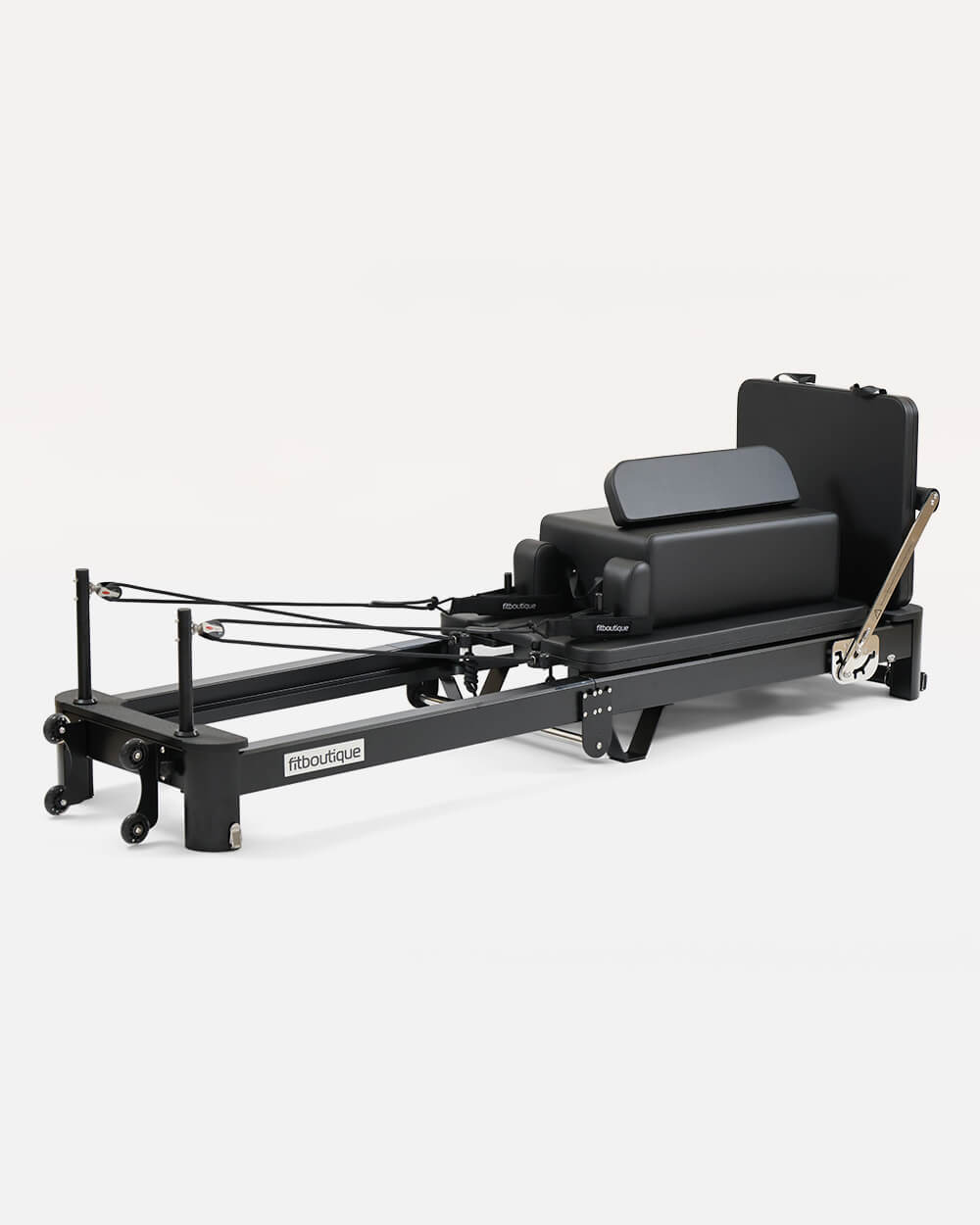
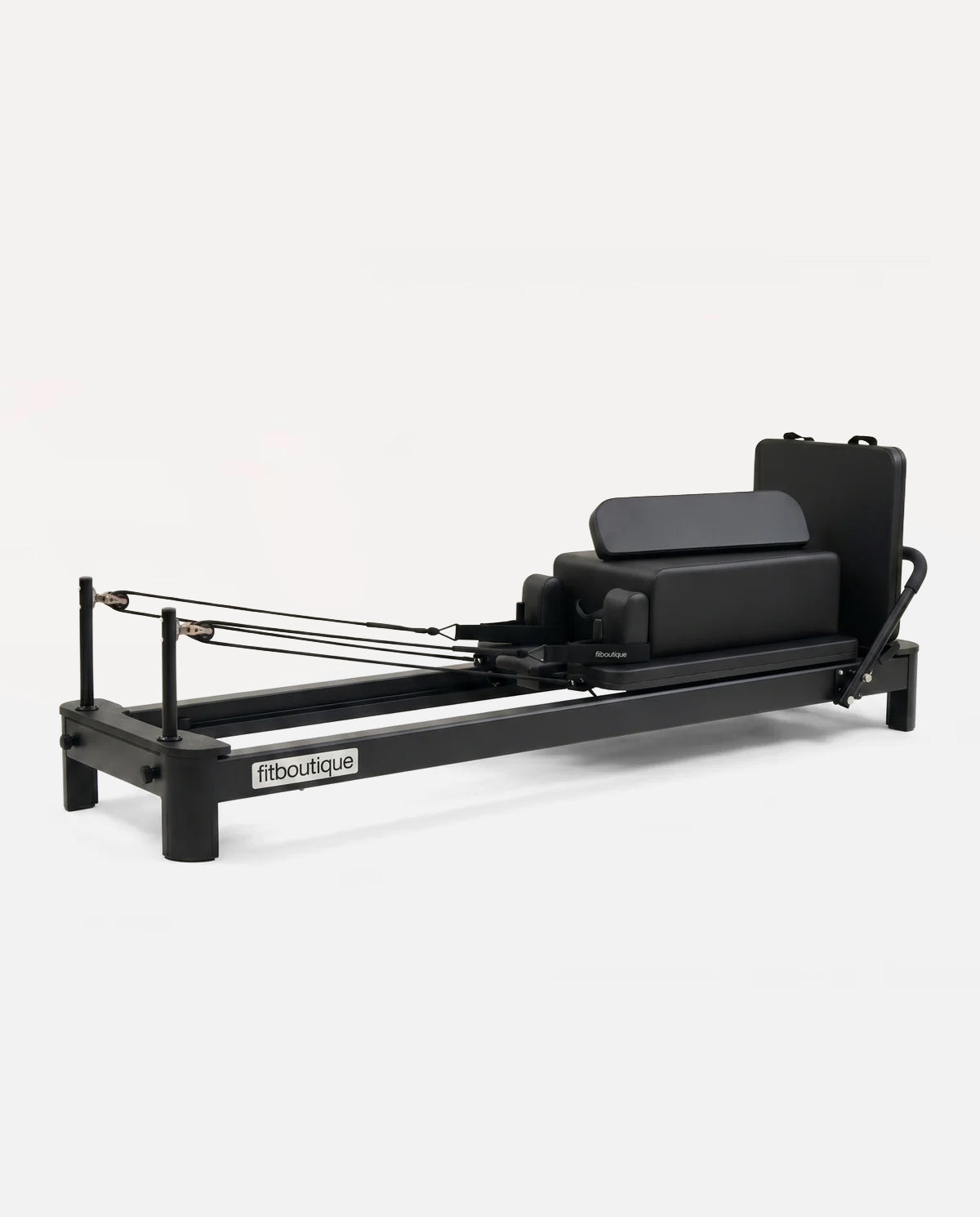
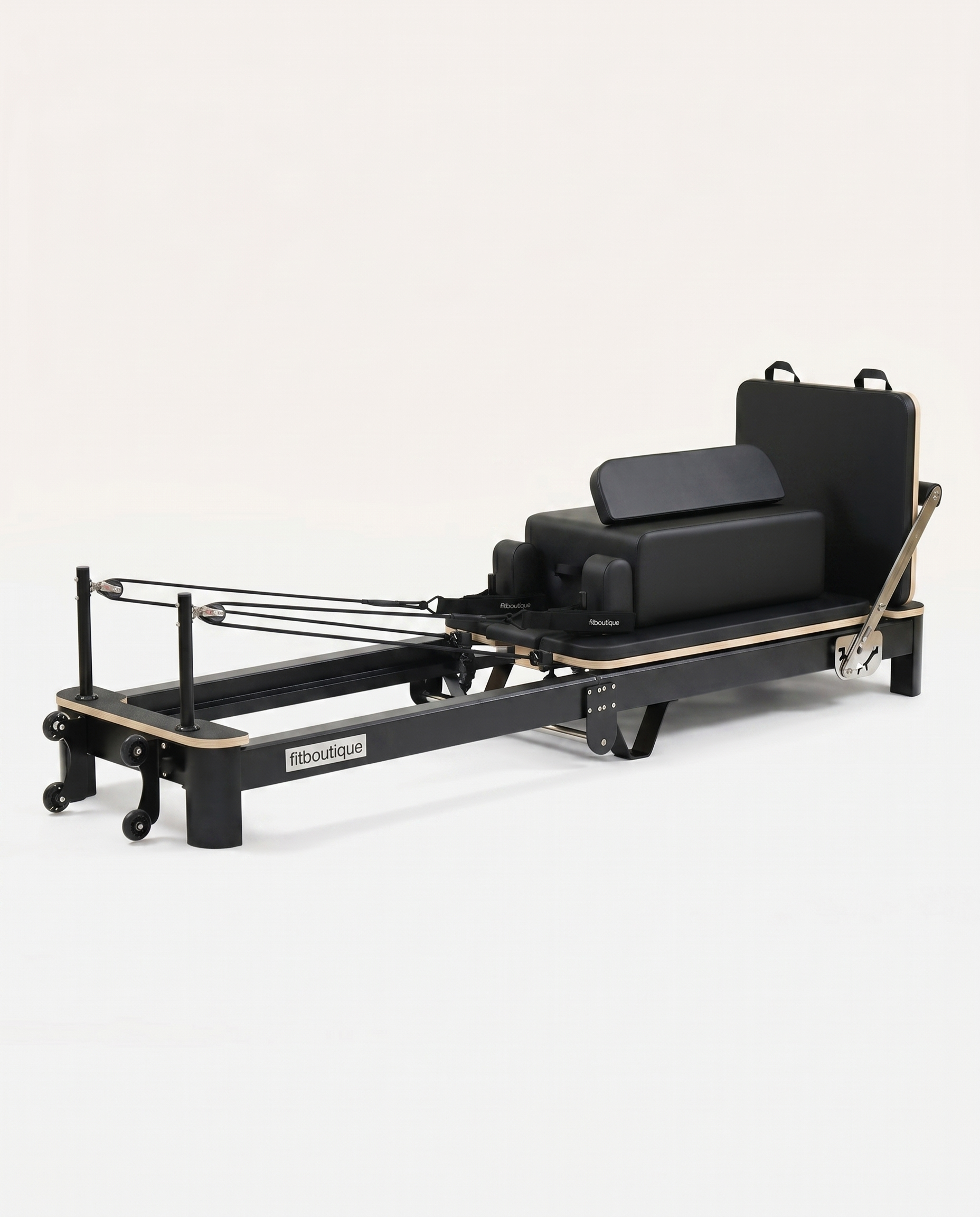
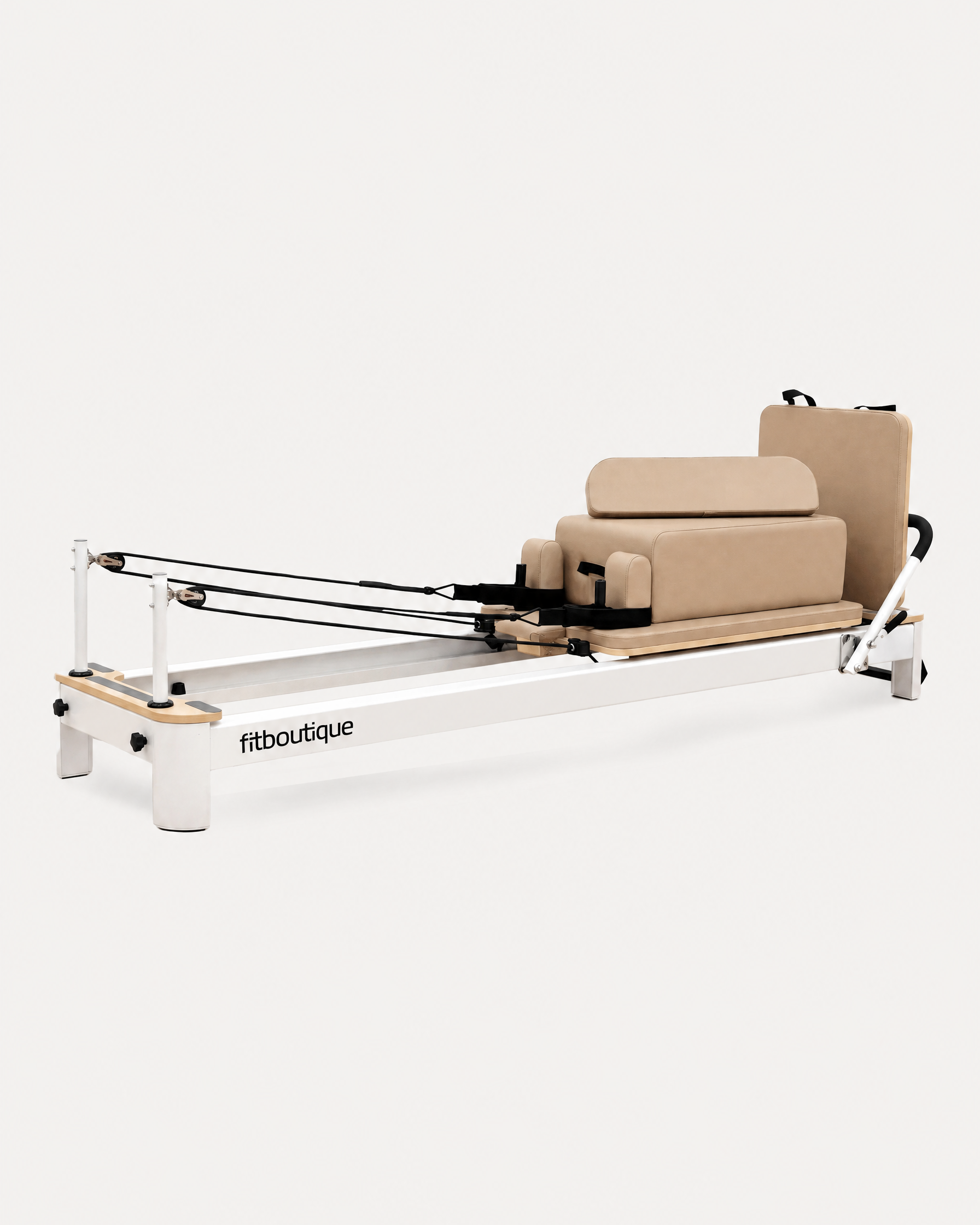
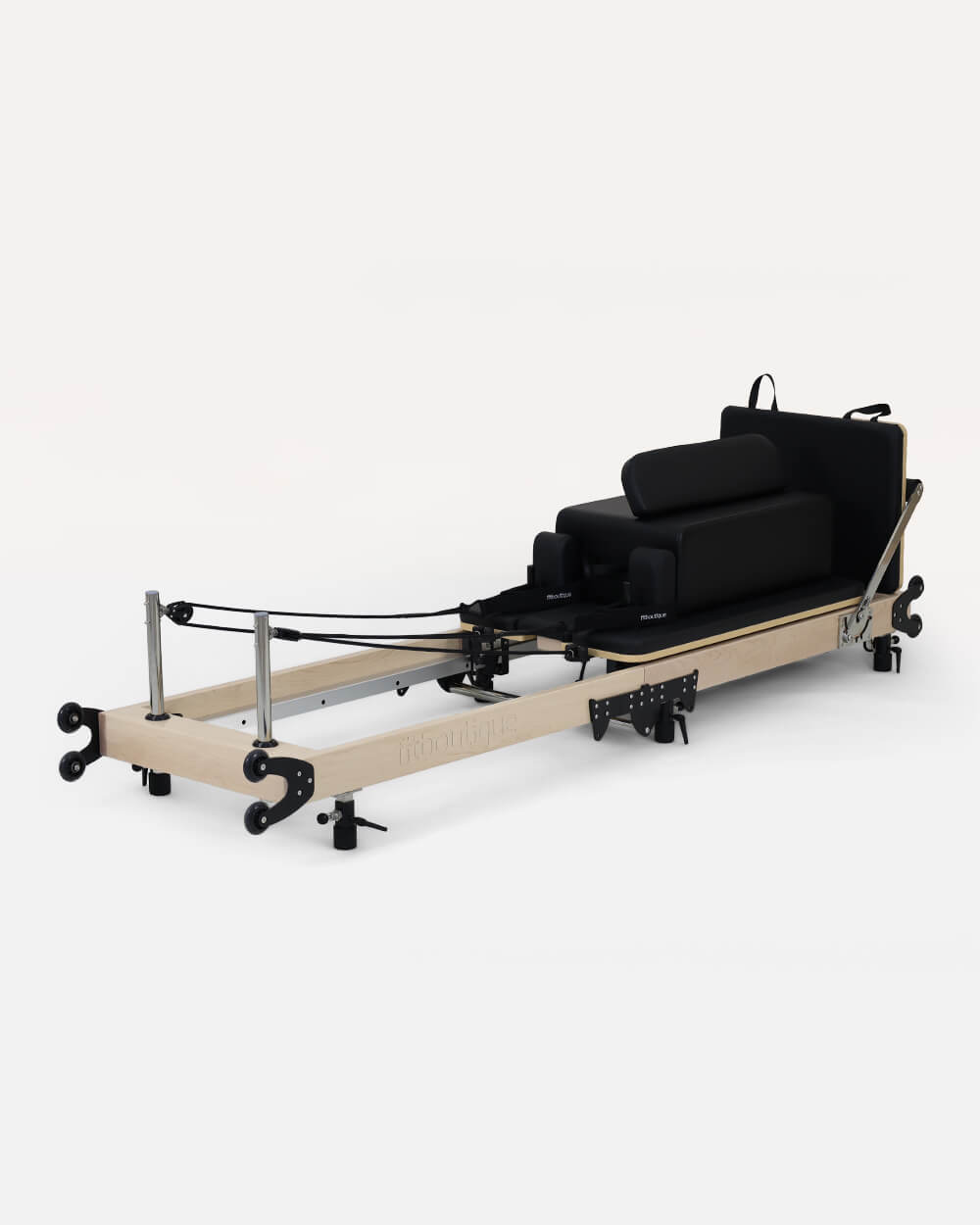
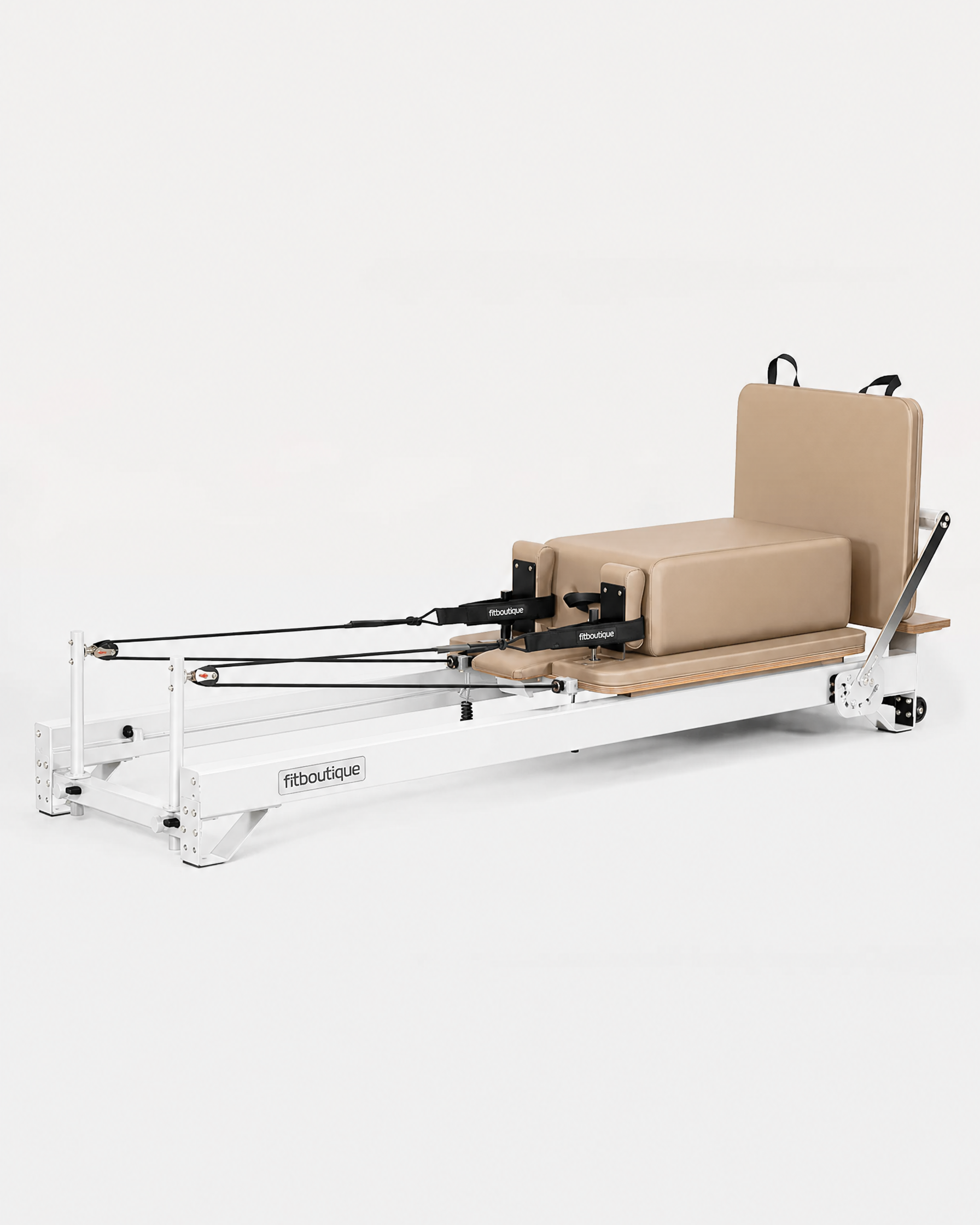
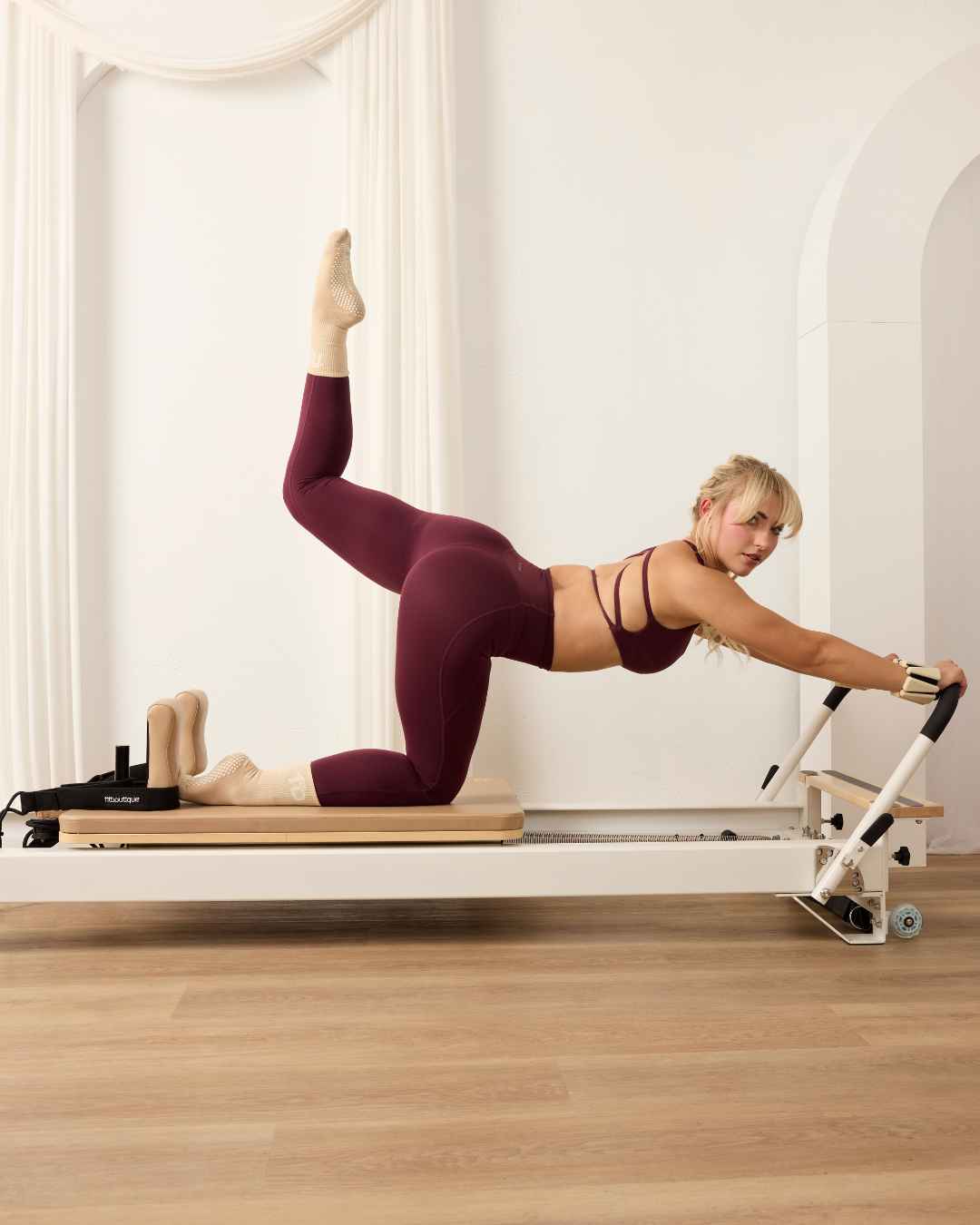
Every FitBoutique reformer arrives assembled with 6 German made springs, a jumpboard and box included, free delivery Australia wide and a 5 year warranty.
Compare Every Reformer
Written by Ayrah Yuso
I'm part of the FitBoutique team and have a solid passion (and love) for all things exercise related, including Reformer Pilates

















Leave a comment