




Is Reformer Pilates Strength Training
Is reformer Pilates strength training? Yes. Pushing and pulling against springs is resistance training by definition, and done with enough load it counts towards the muscle strengthening most health guidelines ask for. But it is not the same as lifting heavy weights, and whether your sessions actually build strength depends far more on how you use the springs than on the machine itself.
This is the question I hear most from people who train at home, usually followed by the one they are really asking: do I still need to lift weights? Here is my honest answer to both, what the research actually shows, and how to make your reformer sessions count as real strength work.
In this article
The short answer
Reformer Pilates is a form of resistance training. The springs provide an external load, your muscles work against it on the way out and control it on the way back, and the load can be increased as you get stronger. That is the basic definition of strength training.
Where it differs from a gym is the size of the load and how it behaves. Springs get harder the further they stretch, and there is a ceiling to how much resistance a reformer can give you. For most people training for health, posture and everyday strength, that is plenty. For someone chasing maximal strength or heavy loading, it is a great complement, not a full replacement.

What counts as strength training
Health authorities do not define strength training by the equipment. They define it by the work.
Australia's physical activity guidelines recommend adults include muscle strengthening activities on at least 2 days each week, giving examples like push ups, squats, lunges and lifting weights. The US guidelines say the same, at least 2 days a week.
The common thread is muscles working against a meaningful resistance. A reformer session where you work the legs, glutes, back, chest, arms and core against springs that properly challenge you fits that description. A gentle stretch class on the reformer, with light springs and easy reps, does not, even though it is on the same machine.
That is the distinction most articles skip. Reformer Pilates is not automatically strength training. It is strength training when you train it that way.
What the research says
The most useful study I found is a 2022 systematic review in Heliyon that asked a direct question: is Pilates better than other exercise at increasing muscle strength? It pooled randomised controlled trials covering 689 healthy adults.
The finding was that Pilates produced no significant difference in strength gains compared with other forms of exercise, including resistance training. In plain terms, Pilates did about as well as the alternatives it was compared with. The authors rated the certainty of that evidence as very low to low, because the studies were small and varied a lot.
2 details matter for reformer users. The review did not separate mat Pilates from apparatus Pilates like the reformer, and the average participant was around 60 years old. So it tells us Pilates can build strength comparably to other training, but it cannot tell us exactly how reformer work compares with heavy lifting in younger, already trained people.
My read is that the research supports what most people experience. Reformer Pilates builds real strength, particularly for people who were not doing much resistance training before. It is not magic, and it is not weaker than you have been told either.
Where the reformer falls short
I would rather be honest about this than oversell it.
There is a load ceiling. A reformer has a fixed set of springs. Once you are using all of them for leg work, the only ways to progress are more reps, slower tempo, single leg work or harder variations. A barbell squat has no ceiling in the same way.
Heavy loading through the skeleton is limited. Much reformer work is done lying down, so the spine and hips are not carrying load the way they do when you stand and lift. For people focused on bone loading, standing weighted exercise has a role that the reformer only partly covers.
Progress is harder to measure. Spring colours tell you relative resistance, not kilograms, so it is easy to drift along at the same settings for months without noticing.
None of these make the reformer a poor strength tool. They just mean you need to train it deliberately, and for some goals pair it with other work.
How to make reformer Pilates count as strength training
These are the changes that turn a nice session into a strength session.
- Choose springs that make the last reps hard. If you could do 10 more reps at the end of a set, the springs are too light. Aim for a load where the final 2 or 3 reps are a real effort while your form still holds.
- Work every major muscle group each week. Legs, glutes, back, chest, shoulders, arms and core. Most people overdo core and legs and underdo upper body pulling and pushing.
- Progress on purpose. Write down your springs and reps for your main exercises. When a set feels controlled at the top of your rep range, add a spring or move to a heavier one next time.
- Slow the lowering phase. Controlling the carriage back in over 3 or 4 seconds makes the same spring far more demanding and is where a lot of strength is built.
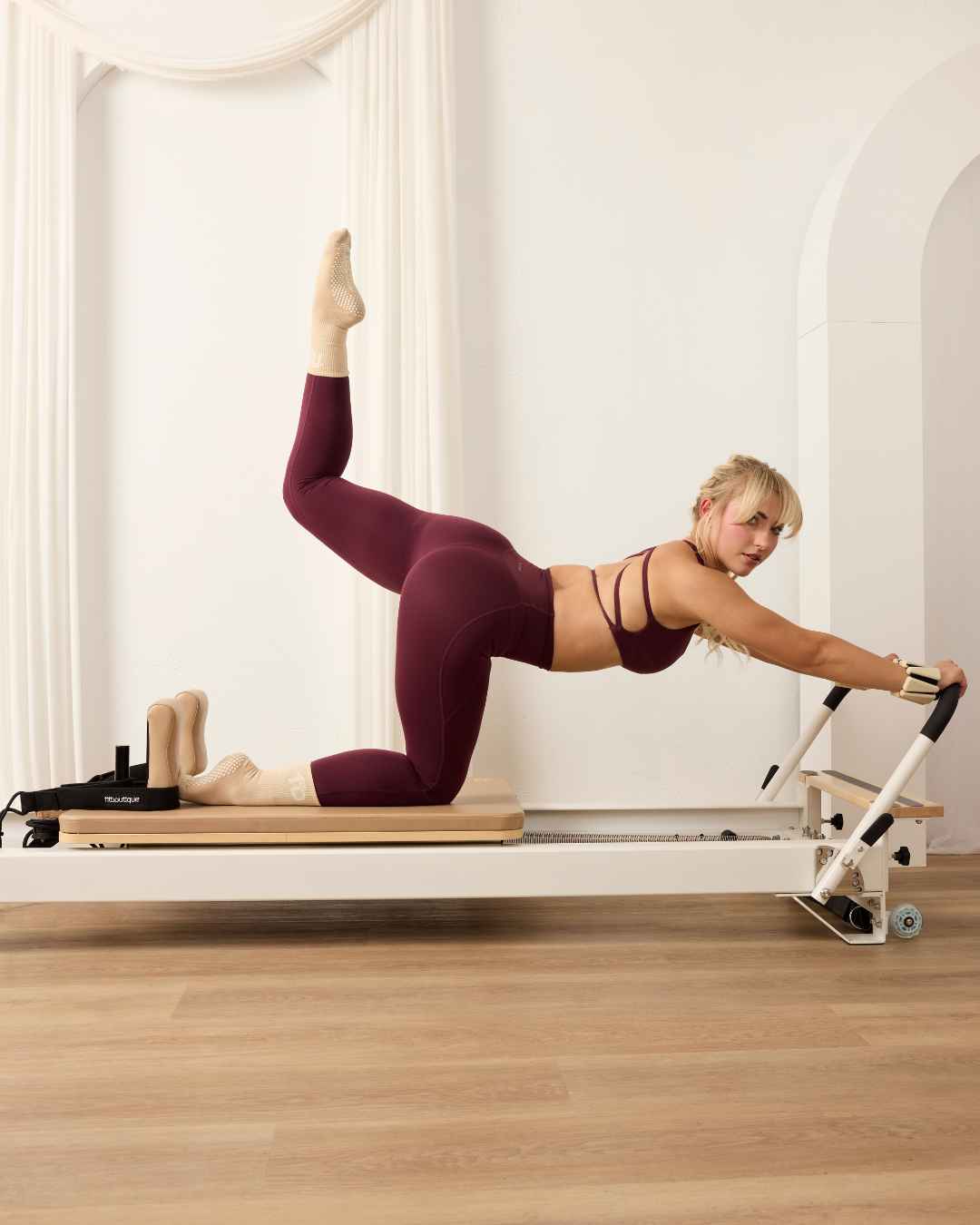
- Use single limb work. Single leg footwork, single leg bridging and single arm work double the load on the working side without needing more springs.
- Add accessories when you hit the ceiling. The box, jumpboard and light ankle or wrist weights all give you somewhere to go once the springs alone stop challenging you.
If you want the detail on what each spring setting does, our guide to Pilates reformer spring settings covers it, and our progressions guide shows how to make each exercise harder over time.
Do you still need to lift weights
It depends on what you want.
If your goal is general health, posture and feeling strong in daily life, 2 or 3 genuinely challenging reformer sessions a week covers the muscle strengthening guidelines for most people. You do not need a gym membership as well.
If your goal is maximal strength or visible muscle size, heavy lifting will get you there faster, and the reformer becomes your control, mobility and accessory work. The 2 work very well together. Our post on reformer Pilates vs weight training goes deeper on that comparison, and if building muscle is the main goal, this piece on muscle gains is worth reading.
If bone health is a priority, for example around menopause, talk to your doctor or a physio about how much standing, weight bearing load you need. The reformer is a valuable part of that picture, but it is worth getting advice specific to you.
A week that covers both
For someone training at home who wants reformer Pilates to be their main strength work, this is a sensible structure.
2 or 3 strength focused reformer sessions. Heavier springs, every major muscle group, logged and progressed.
1 lighter reformer or mat session. Mobility, control and recovery, with no pressure to push the springs.
Daily walking. Not strength training, but it covers a lot of the aerobic side of the guidelines with very little effort.
If you also lift, swap 1 reformer session for a gym session and keep the reformer for the days in between. Our weekly reformer Pilates routine lays out a full week if you want a template.
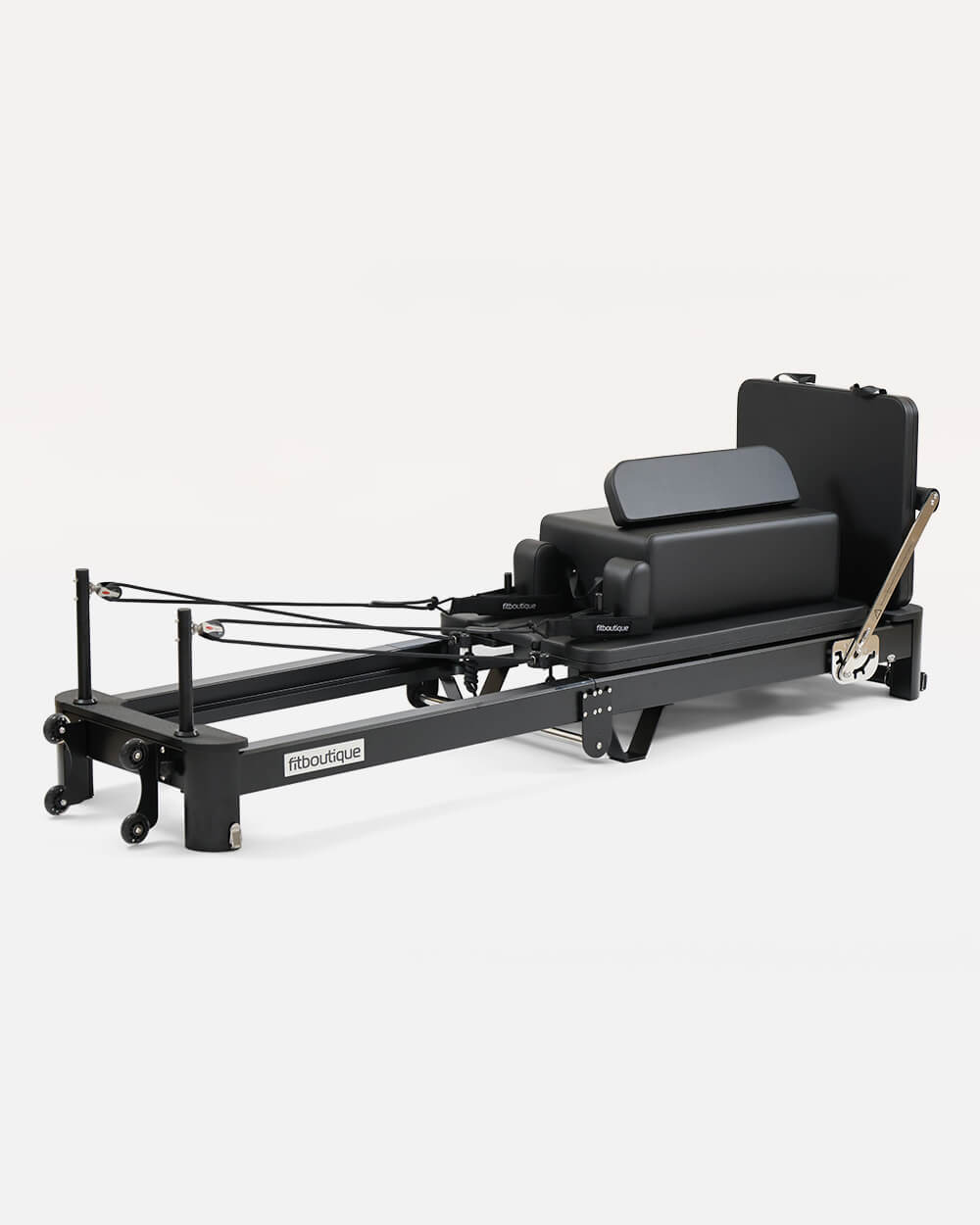
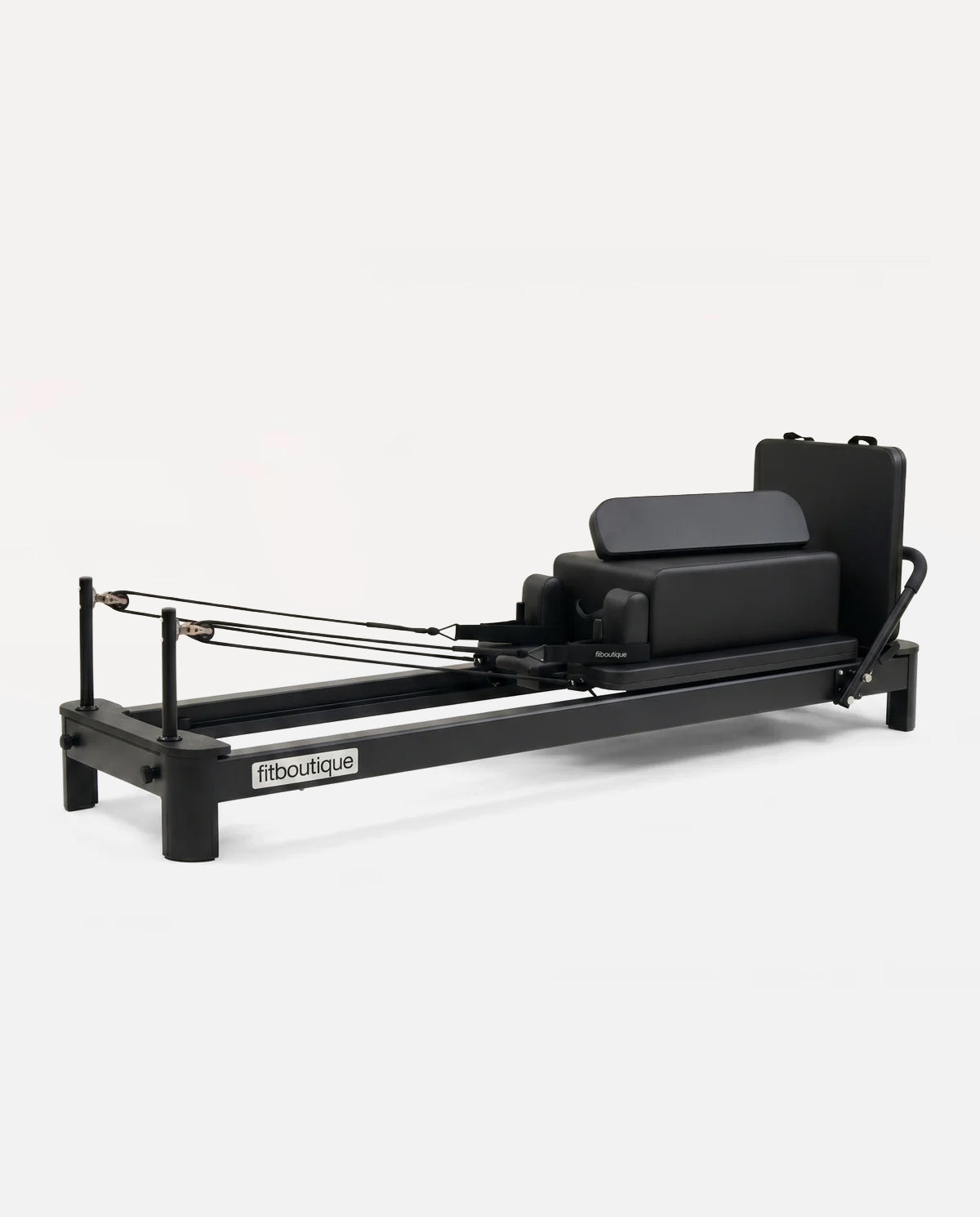
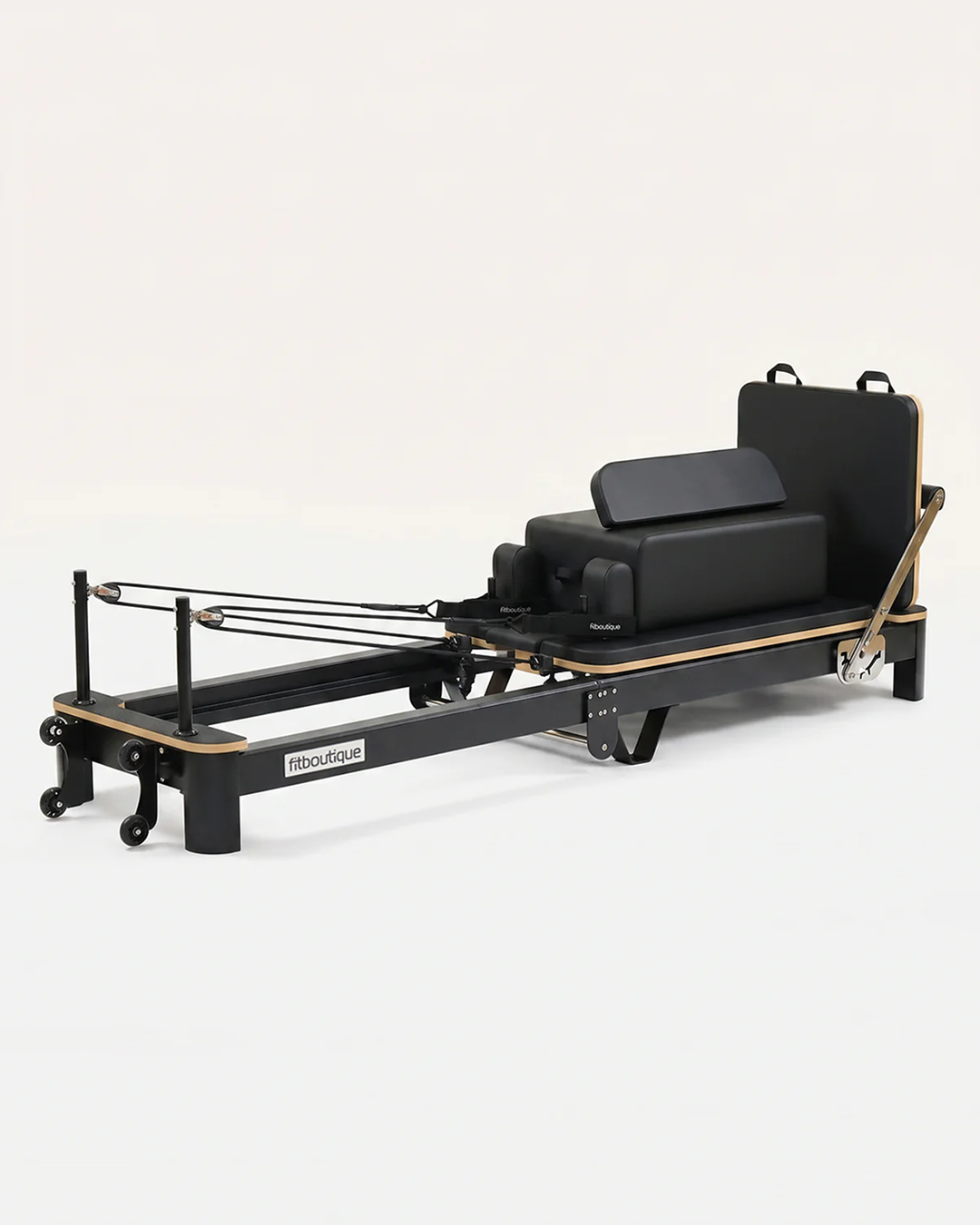
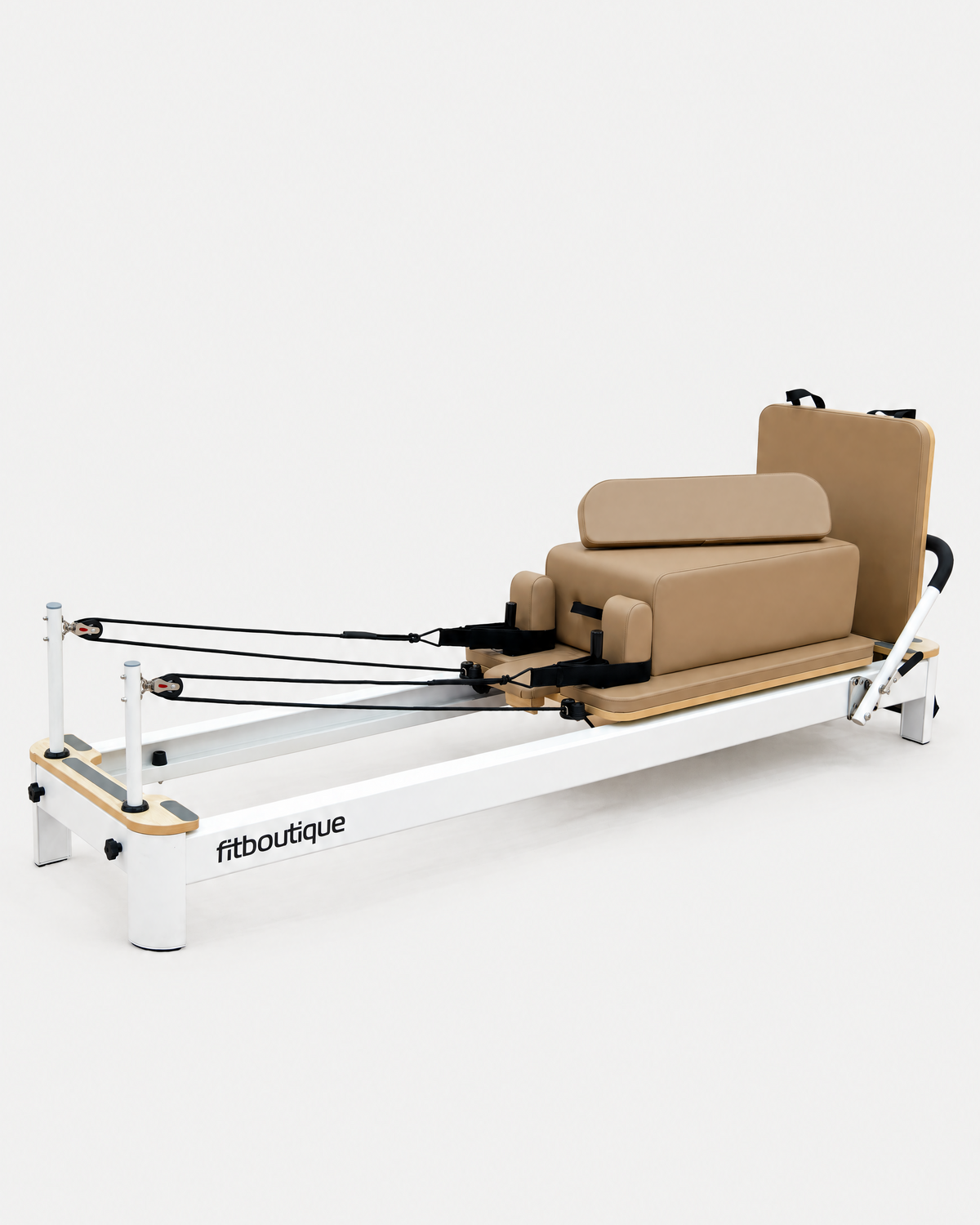
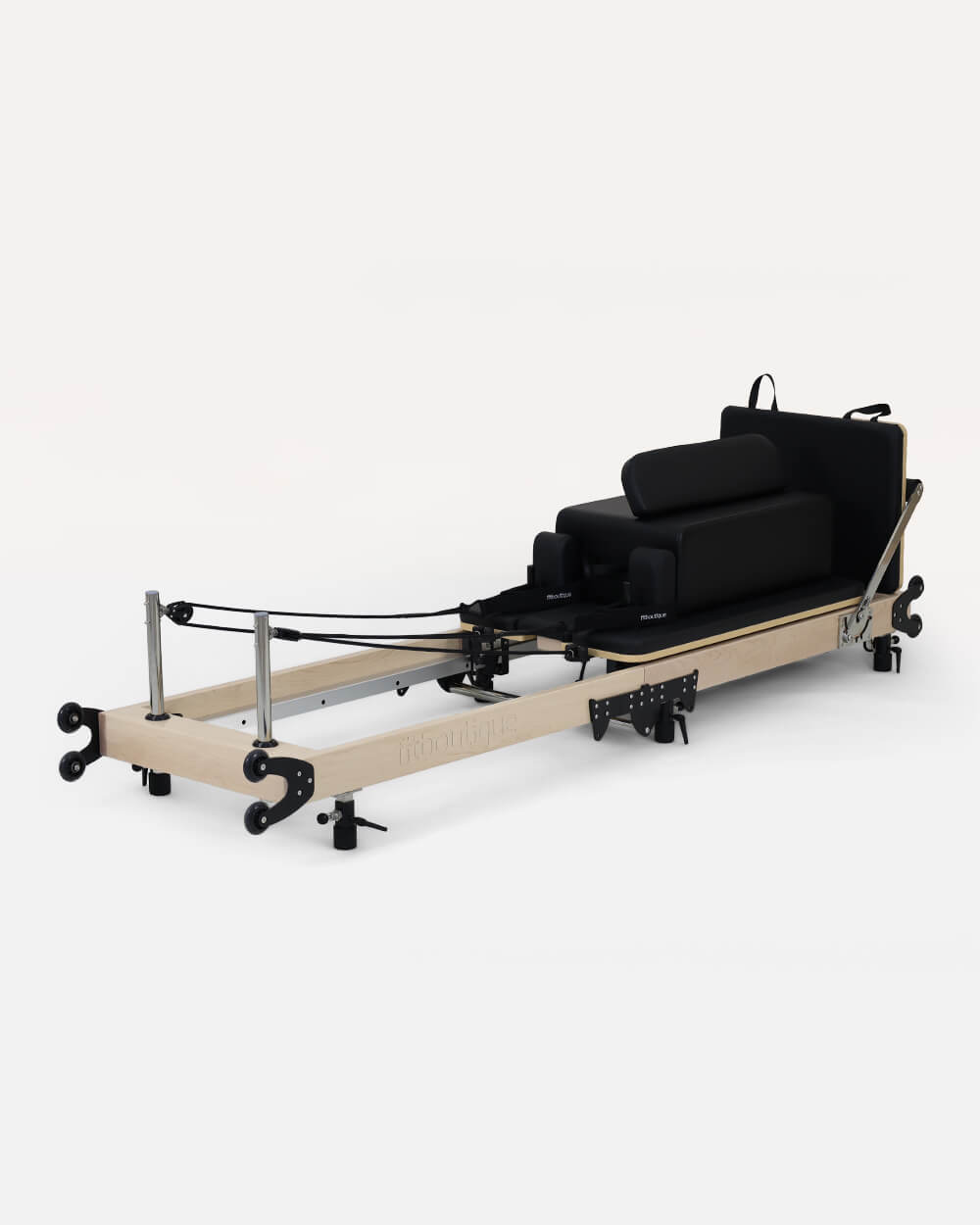
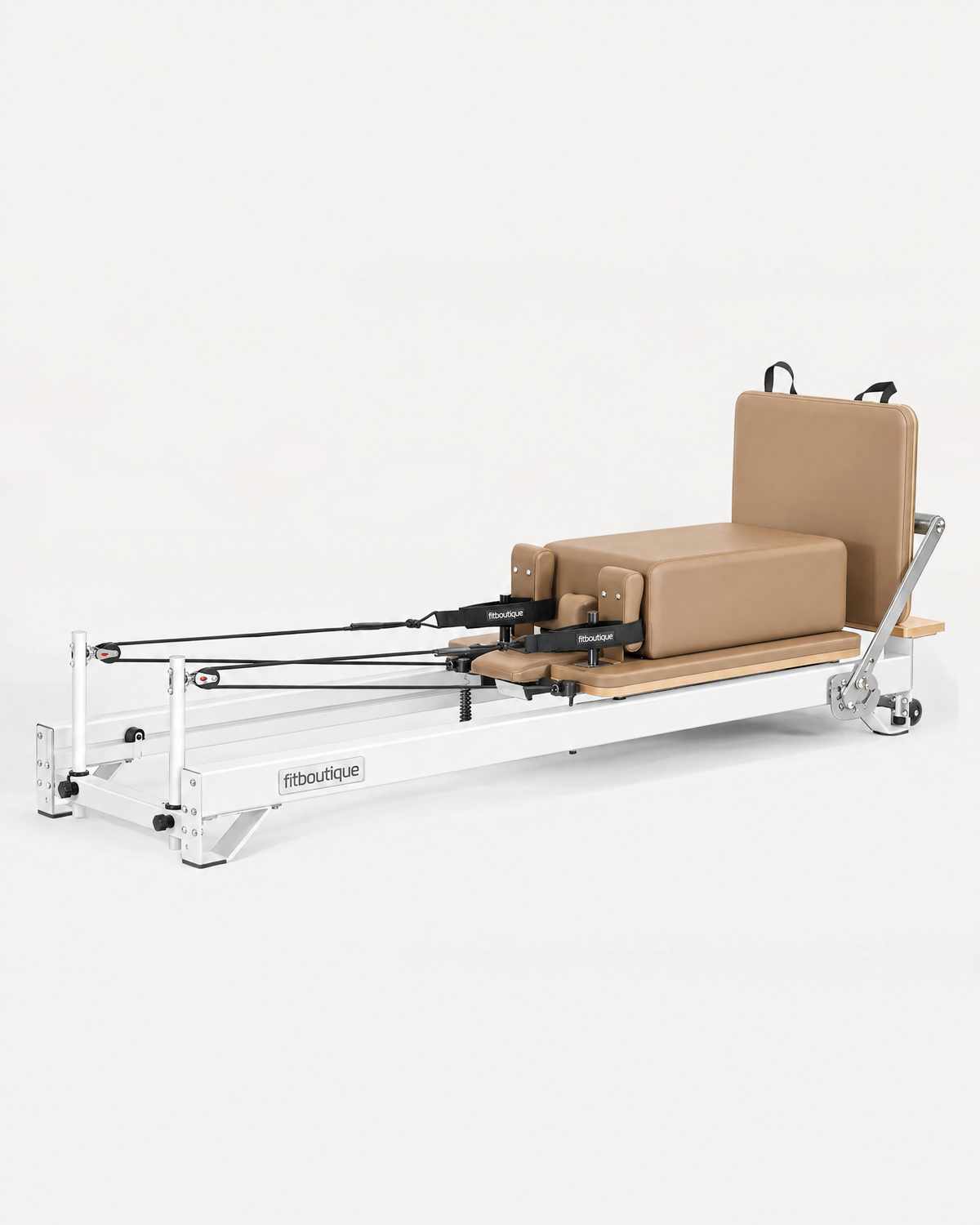
Every reformer in our reformer range comes with a jumpboard and box, so you have room to progress beyond the springs from the first day.
A Note From Ayrah
The thing that finally made my reformer sessions feel like strength training was a notebook.
For a long time I picked springs by feel each session. Some days I went heavier, most days I went with whatever felt nice, and I genuinely could not have told you whether I was any stronger than 3 months earlier.
Now I keep a short log of 5 main exercises: footwork, bridging, rowing, chest press and a single leg exercise. Springs and reps, nothing else. Every few weeks I can see the numbers move, and when they stop moving I know it is time to add a spring.
It takes 30 seconds a session and it is the difference between exercising on a reformer and training on one.
Frequently Asked Questions
Is reformer Pilates strength training?
Yes. Working against the springs is resistance training, and when the springs are heavy enough to make the last reps of each set hard, it counts as muscle strengthening activity. A light, easy session on the same machine is closer to mobility work.
Is reformer Pilates resistance training?
Yes. The springs provide external resistance that you push and pull against, and that resistance can be increased as you get stronger, which is what resistance training means.
Is reformer Pilates enough strength training on its own?
For general health and everyday strength, 2 or 3 challenging reformer sessions a week covers the muscle strengthening guidelines for most adults. For maximal strength, visible muscle size or specific bone loading goals, it works best alongside some heavier lifting.
Can reformer Pilates replace the gym?
For many people training for health, yes. For people chasing heavy lifts or large muscle gains, the reformer complements the gym rather than replacing it, because springs have a load ceiling.
How many times a week should I do reformer Pilates for strength?
At least 2 sessions a week, in line with the guidelines for muscle strengthening, with 3 being ideal if strength is your main goal. Each session should work all the major muscle groups with springs that genuinely challenge you.
Does research show reformer Pilates builds strength?
A 2022 systematic review of trials in 689 healthy adults found no significant difference in strength outcomes between Pilates and other forms of exercise, though the certainty of evidence was low and the review did not separate mat and reformer Pilates.
How do I know if my springs are heavy enough?
If the final 2 or 3 reps of a set are a real effort while your form still holds, the load is right. If you could comfortably do many more, add a spring or move to a heavier one.
Train Strength At Home
Every FitBoutique reformer arrives with German made springs and a jumpboard and box included, so you have room to keep progressing.
Compare Every Reformer
Written by Ayrah Yuso
I'm part of the FitBoutique team and have a solid passion (and love) for all things exercise related, including Reformer Pilates

















Leave a comment