




How to Train Clients on Foldable Reformers in a Multi-Use Space
Why Foldable Reformers Work in Multi-Use Spaces
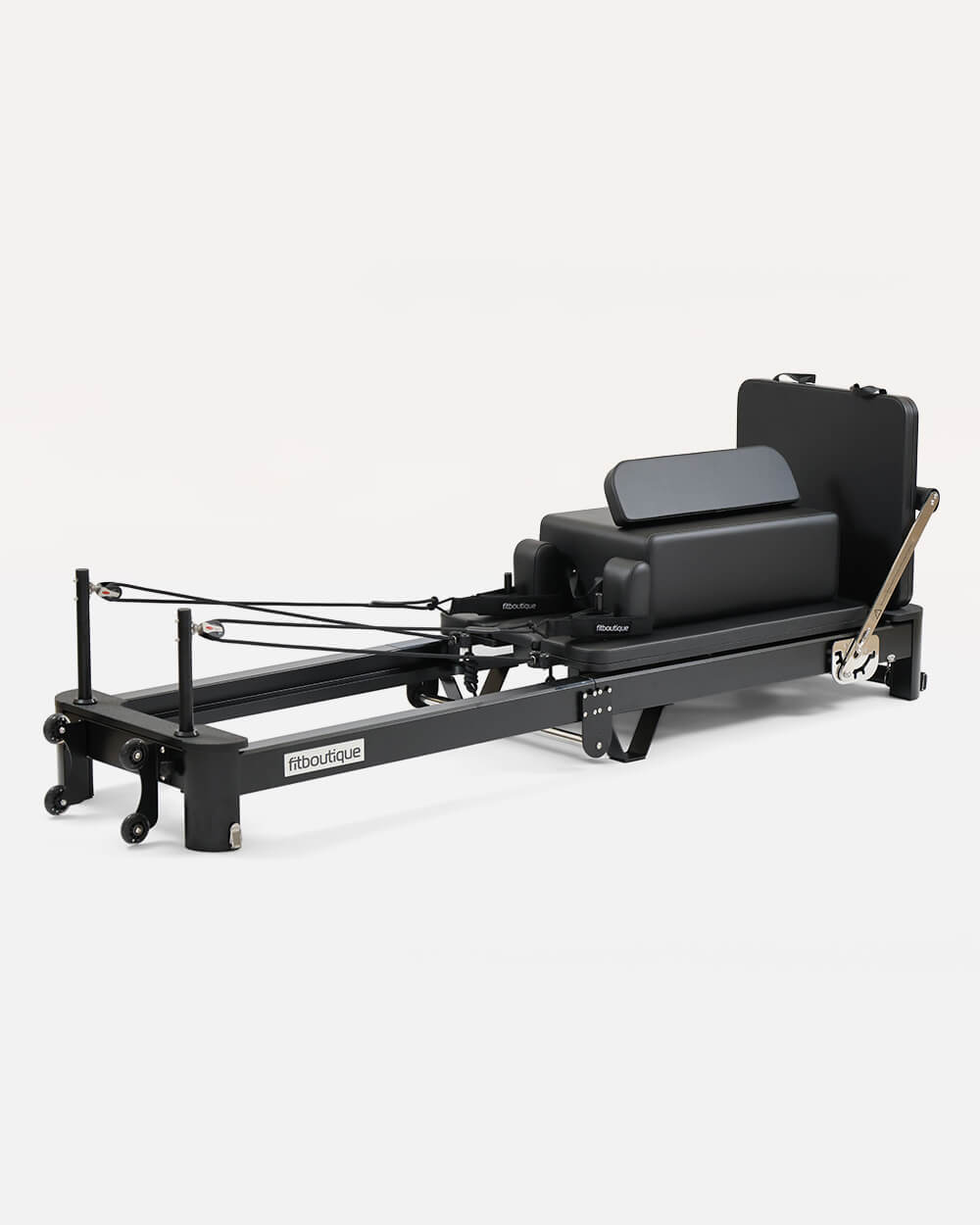
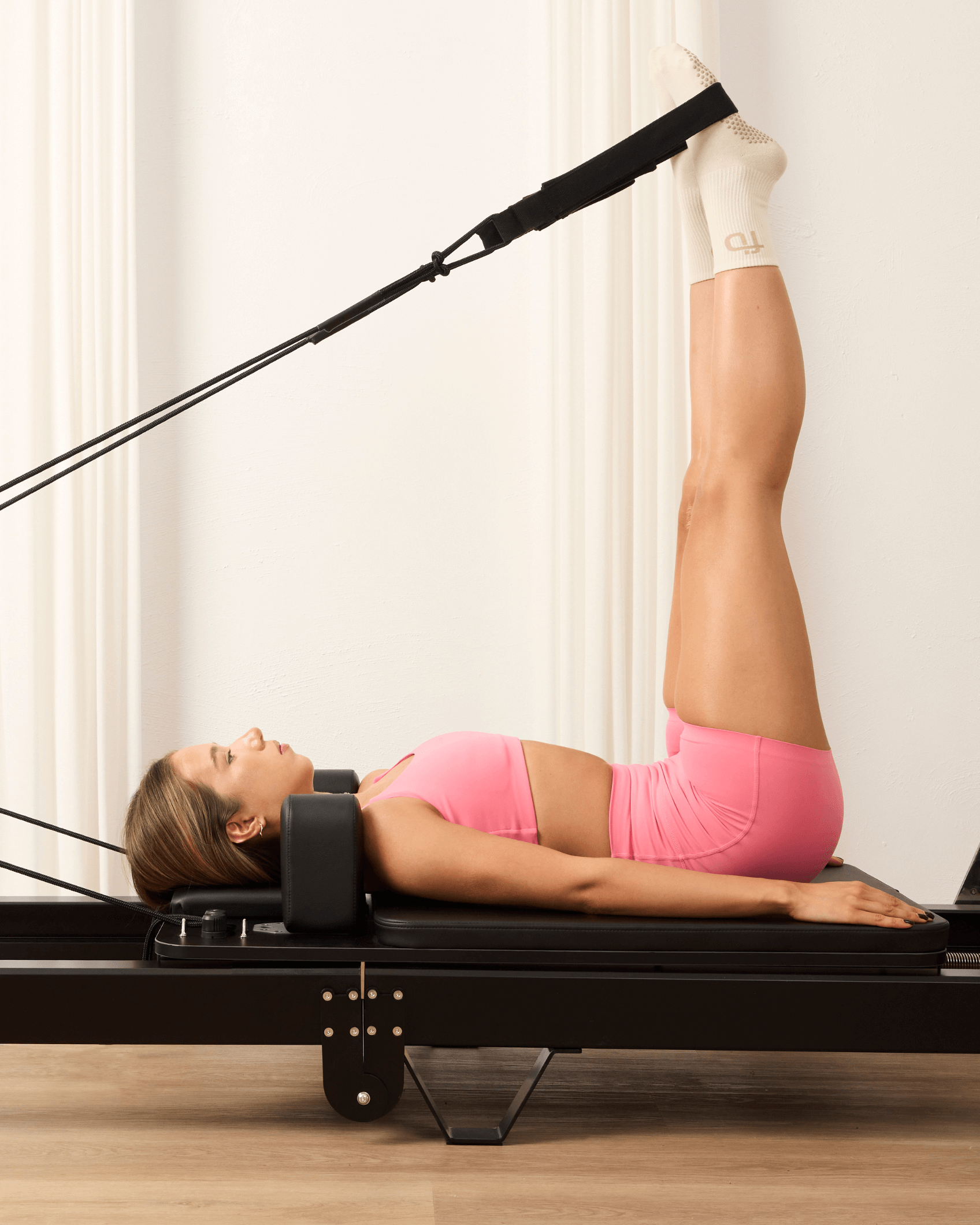
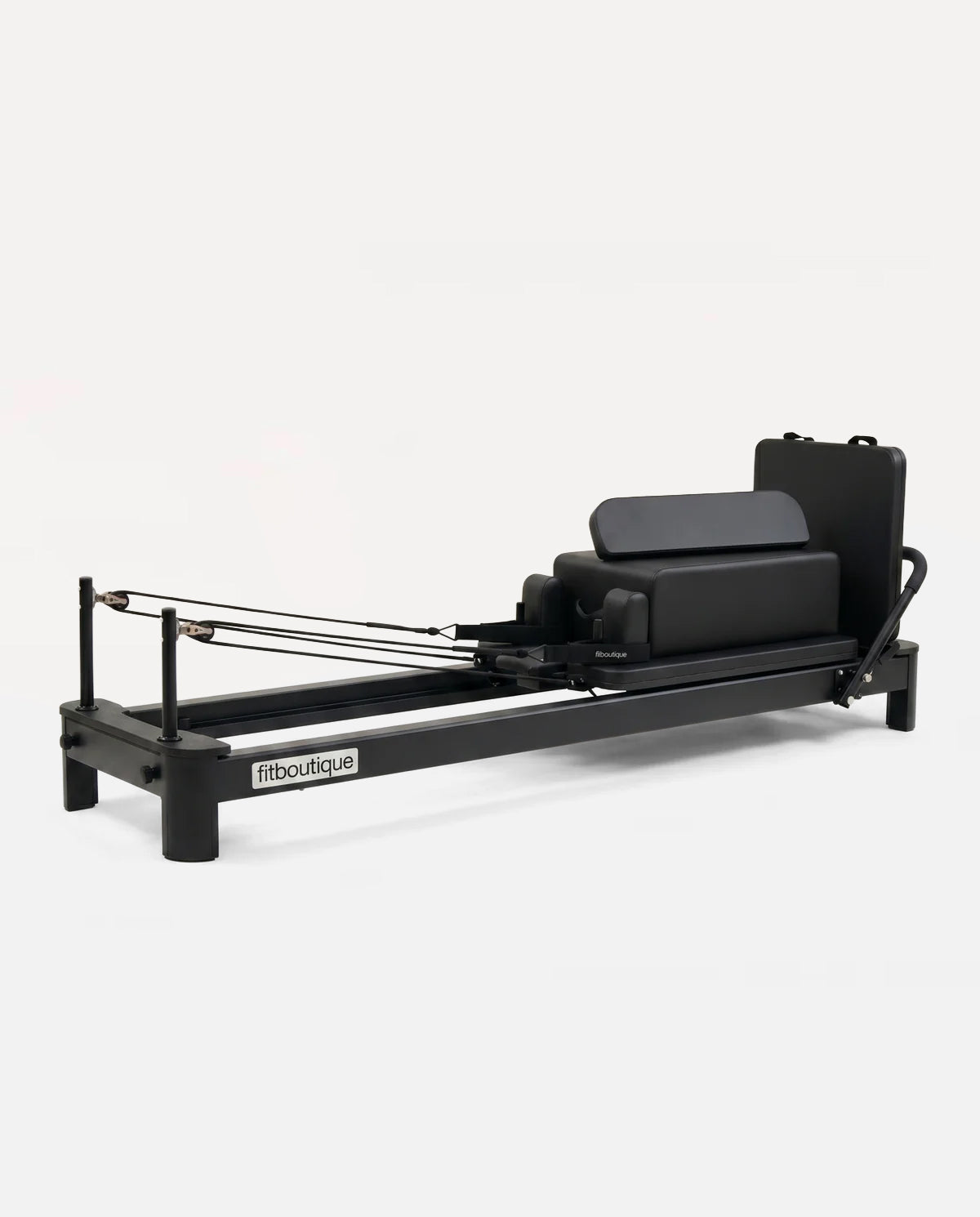
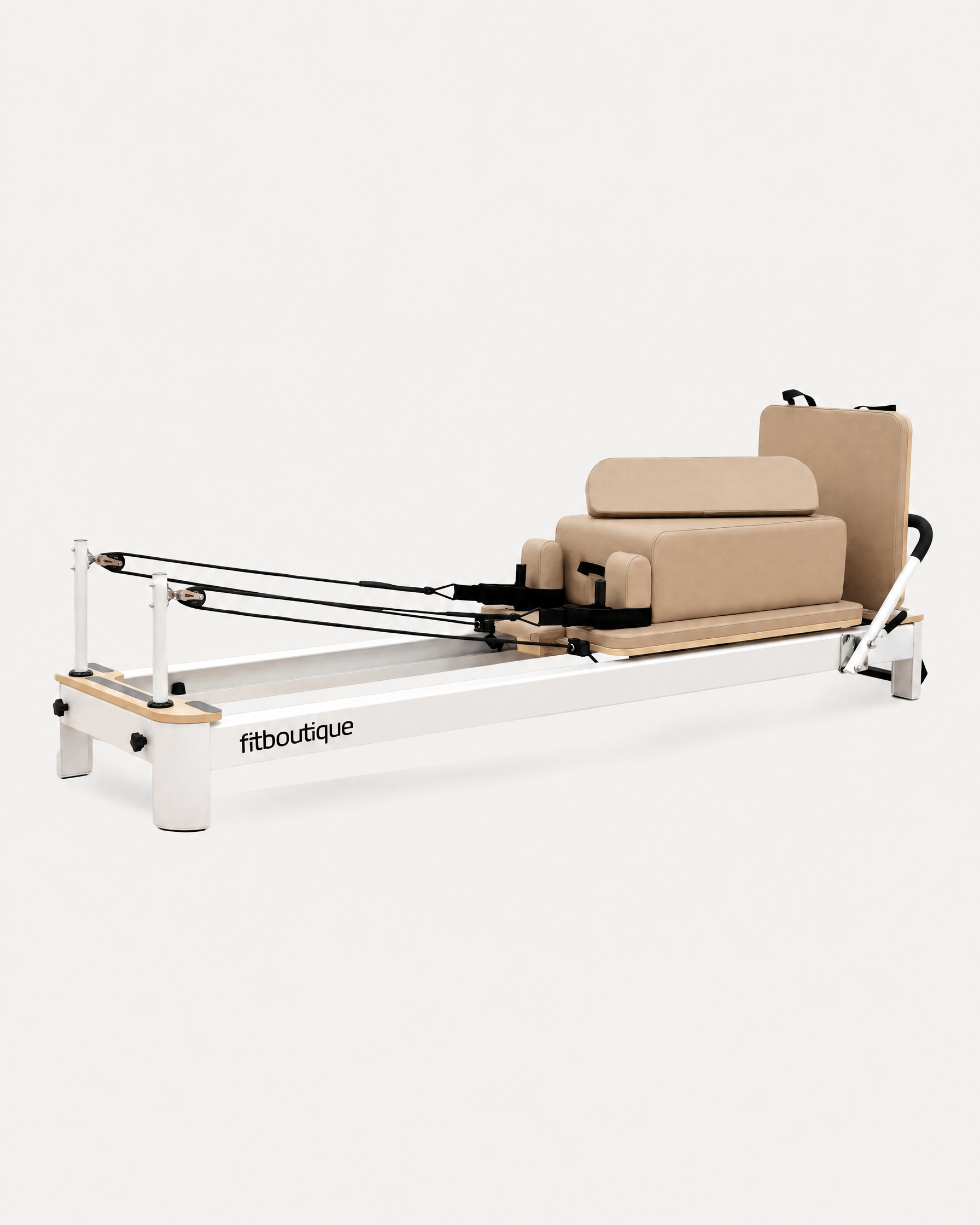
As Pilates continues to grow in popularity across Australia, more instructors are adapting to multi-use studios, home studios, and flexible training spaces. Foldable reformer machines have become a game-changer—allowing instructors to deliver high-quality sessions without the need for a permanent, single-purpose studio.
Setting Up the Space for Client Sessions
Before your client arrives, ensure the space feels intentional and professional. Fully unfold and lock the reformer, allow enough clearance around the machine, and keep straps and springs neatly organised.

Educating Clients on Foldable Reformer Safety
Take time to explain how the reformer locks securely, weight limits, proper mounting and dismounting, and safe spring changes. This reassures clients and builds trust.
Programming Classes for Smaller or Shared Spaces
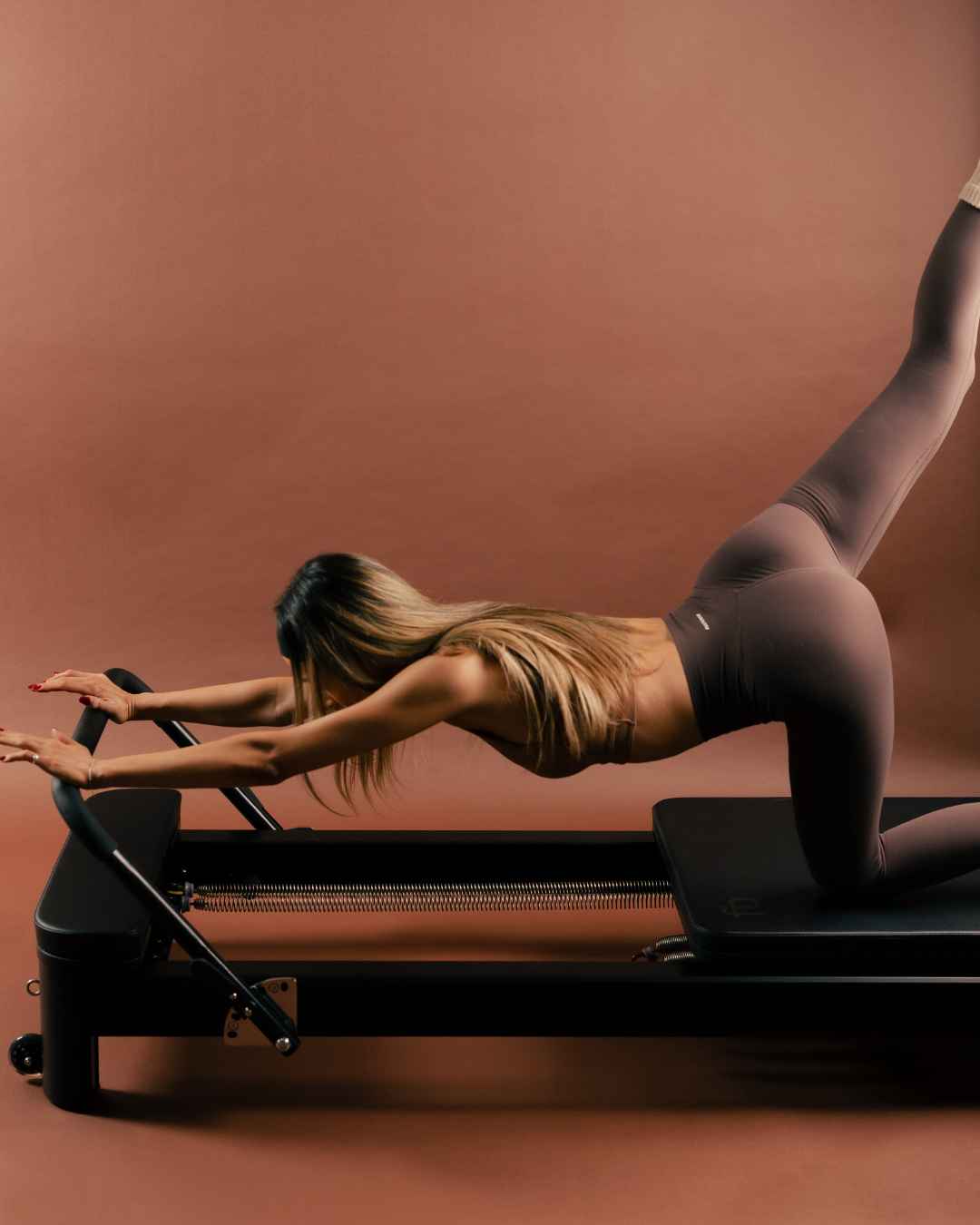
In multi-use environments, class flow matters. Focus on controlled movements, slower transitions, and exercises that don’t require excessive surrounding space.
Teaching Transitions and Equipment Awareness
Encourage smooth carriage returns, gentle spring changes, and mindful transitions. This protects the equipment and reinforces Pilates principles.
Storing the Reformer Between Sessions
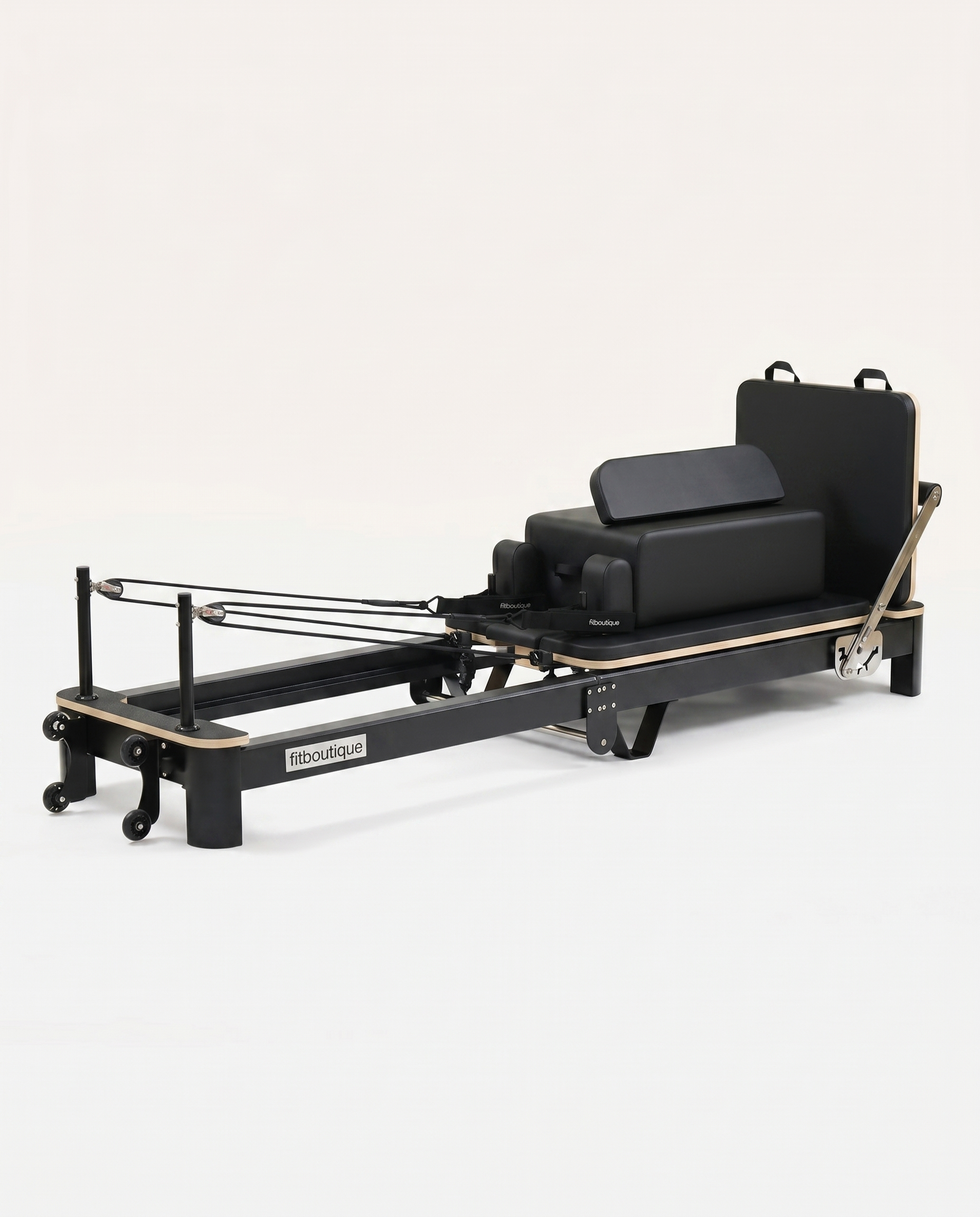
After sessions, fold and store the reformer according to manufacturer guidelines. Secure straps and store the equipment in a clean, dry area.
Building Trust and Professionalism
Training on a foldable reformer showcases adaptability and expertise. Premium equipment helps create a studio-quality experience in any space.
Final Thoughts
Foldable reformers empower Pilates instructors to train clients confidently in multi-use and home studio environments without compromising quality.

Written by Ayrah Yuso
I'm part of the FitBoutique team and have a solid passion (and love) for all things exercise related, including Reformer Pilates

















Leave a comment