






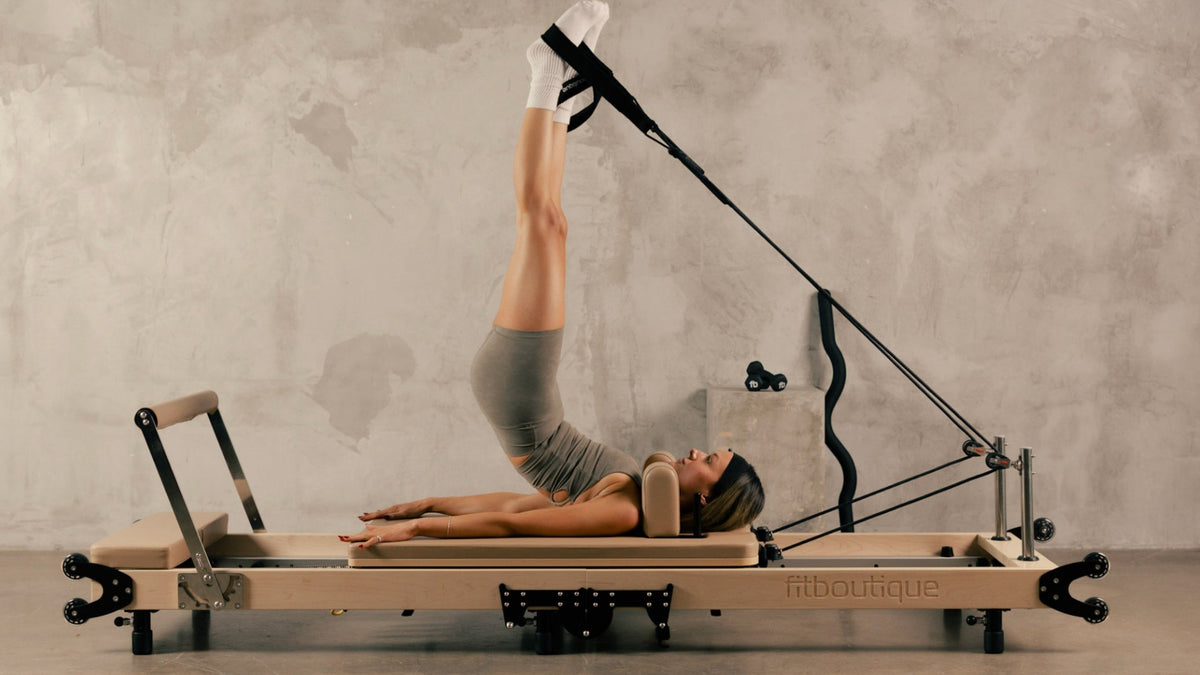
How to Stay Motivated to Do Pilates at Home
I want to start by taking something off you. If you have a reformer at home and you are not using it as much as you meant to, that is not a character flaw and you are not lazy. It is the single most common thing that happens, it happens to almost everybody, and the reason has very little to do with motivation. I have watched this pattern for years now, and the people who train consistently are not the disciplined ones. They have simply arranged things so that less discipline is required.
In this article
- Motivation is not the thing you are missing
- Shrink the decision, not the goal
- The friction you cannot see
- Attach it to something that already happens
- Follow a plan, not your mood
- The ten minute rule
- Month three, when it stops being new
- How to come back after you have stopped
- Frequently asked questions
Motivation is not the thing you are missing
Here is the part the fitness industry will not tell you, because motivation is what it sells.
Nobody feels motivated most of the time. Not the people posting at 5am, not instructors, not me. What actually happens with anyone who has trained for years is that the feeling stopped being part of the decision. They do not consult it, in the same way you do not consult your enthusiasm about brushing your teeth.
So if your plan is to wait until you feel like it, you have built your training on the least reliable thing you own. Motivation shows up in week one and leaves around week three, and if it is load bearing, everything collapses with it.
Everything below is about building something that survives not feeling like it.

Shrink the decision, not the goal
This is the whole trick, and it is worth understanding properly.
When you skip a session, you are not deciding against being fit. You are deciding against a specific chain of events that your brain has quietly bundled together. Get changed, move the furniture, set up the machine, find something to follow, do forty five minutes, shower, get changed again. That bundle is what you are actually turning down at 6am, and it is enormous.
The people who train consistently have a much smaller bundle. Walk in, lie down, start. Same goal, completely different decision.
So do not try to want it more. Go through your actual sequence, step by step, and delete as much of it as you can.
The friction you cannot see
Friction is rarely where people think it is. It is almost never the workout, it is the four minutes before the workout.
The obvious one is setup. If your reformer has to be unfolded and rigged before every session, that is a real tax and it compounds. If it can live out with the springs already on, it will get used considerably more, and I have written about exactly how much difference that made in my own week in my piece on how many sessions a week actually makes sense.
The less obvious ones are worth listing, because they are the ones people never audit.
Not knowing what you are about to do. Having to find headphones, a hair tie, socks. A room that is cold in winter. Needing to move a laundry rack. Having to open an app, log in, choose a class, cast it to something. Each one is small and each one is another opportunity for your brain to suggest tomorrow instead.
Deal with them once, in a batch, when you are feeling capable. That half hour of tidying is worth more than any amount of resolve.
Attach it to something that already happens
New habits do not survive on their own. They survive by attaching to something already fixed in your day.
Pick an anchor that genuinely happens every single day without you deciding, then put the session immediately after it. After I put the kettle on. After I drop the kids at school. After I close my laptop. The anchor is doing the remembering for you, which means you are not relying on intention at all.
Morning is not magically better, whatever anyone tells you. It is only better because fewer things have had a chance to go wrong yet. If your evenings are genuinely reliable, evenings are fine.
What does not work is a floating intention. Somewhere in the afternoon is not a plan, it is a hope, and it loses to everything else on your day.

Follow a plan, not your mood
Deciding what to do is a surprisingly large part of why people stop. You get on the machine, you are not sure what to work on, you do the four exercises you already like, it feels aimless, and aimless training quietly stops being training.
Having the session chosen for you removes that entirely. This is exactly why we built Fit by FitBoutique, which is live now on iOS, Google Play and Apple TV, with guided reformer workouts you can press play on. No deciding, no wondering whether what you are doing is the right thing, just follow along.
If an app is not for you, a written plan on paper beside the machine works nearly as well. The point is not the format, it is that the thinking is done before you arrive.
The ten minute rule
On the days you genuinely do not want to, do not negotiate about whether to train. Negotiate about how long.
Commit to ten minutes, with full permission to stop at ten. That is not a psychological trick to fool yourself into an hour, and if you treat it as one it stops working. Ten honest minutes is a real session and it counts.
What actually happens is that most of the time you keep going, because starting was the hard part and it is now behind you. But the ones where you do stop at ten still matter enormously, because they are the days that would otherwise have been zero, and zeros are what break a habit. A short session keeps the thread intact.
Month three, when it stops being new
There is a specific point where people fall away, and it is not week one. It is somewhere around the third month.
The novelty is gone. The early rapid improvement has slowed to something less obvious. You know the exercises well enough that they no longer demand your full attention, and a session that does not demand your attention starts to feel like a chore.
Three things fix this, in order of how well they work.
Change one variable rather than the whole routine. Slow the tempo right down, or move to a lighter spring, and the same exercises become difficult again immediately. Lighter springs are harder, not easier, which surprises people every time.
Give yourself something to work towards that is not aesthetic. A specific exercise you cannot currently do is a far better target than a body goal, because progress is unambiguous and it arrives regularly.
And accept a lower gear for a while. A month of two sessions a week is infinitely better than quitting because you could not maintain four. Consistency over a year beats intensity over a fortnight, every time.

How to come back after you have stopped
Almost nobody writes about this and it is the situation most people are actually in. You had a good run, life happened, and now the machine has been sitting there for six weeks making you feel guilty every time you walk past it.
- Skip the guilt entirely. It is not a useful signal and it will not get you onto the machine. Breaks are normal, everyone has them, and the length of yours does not mean anything about you.
- Do not try to restart where you left off. This is the mistake that makes the second attempt fail. Going straight back to four hard sessions leaves you sore and discouraged inside a week.
- Make the first session absurdly easy. Ten minutes, light springs, the exercises you actually enjoy. The purpose of session one is not training, it is proving that starting is still possible.
- Commit to two a week for a fortnight. Not four. Two is easy to hit even in a bad week, and hitting what you planned is the thing that rebuilds belief.
- Fix whatever caused the break. If the machine got folded away, unfold it. If the time slot stopped working, pick a different anchor. A break is information about what was fragile.
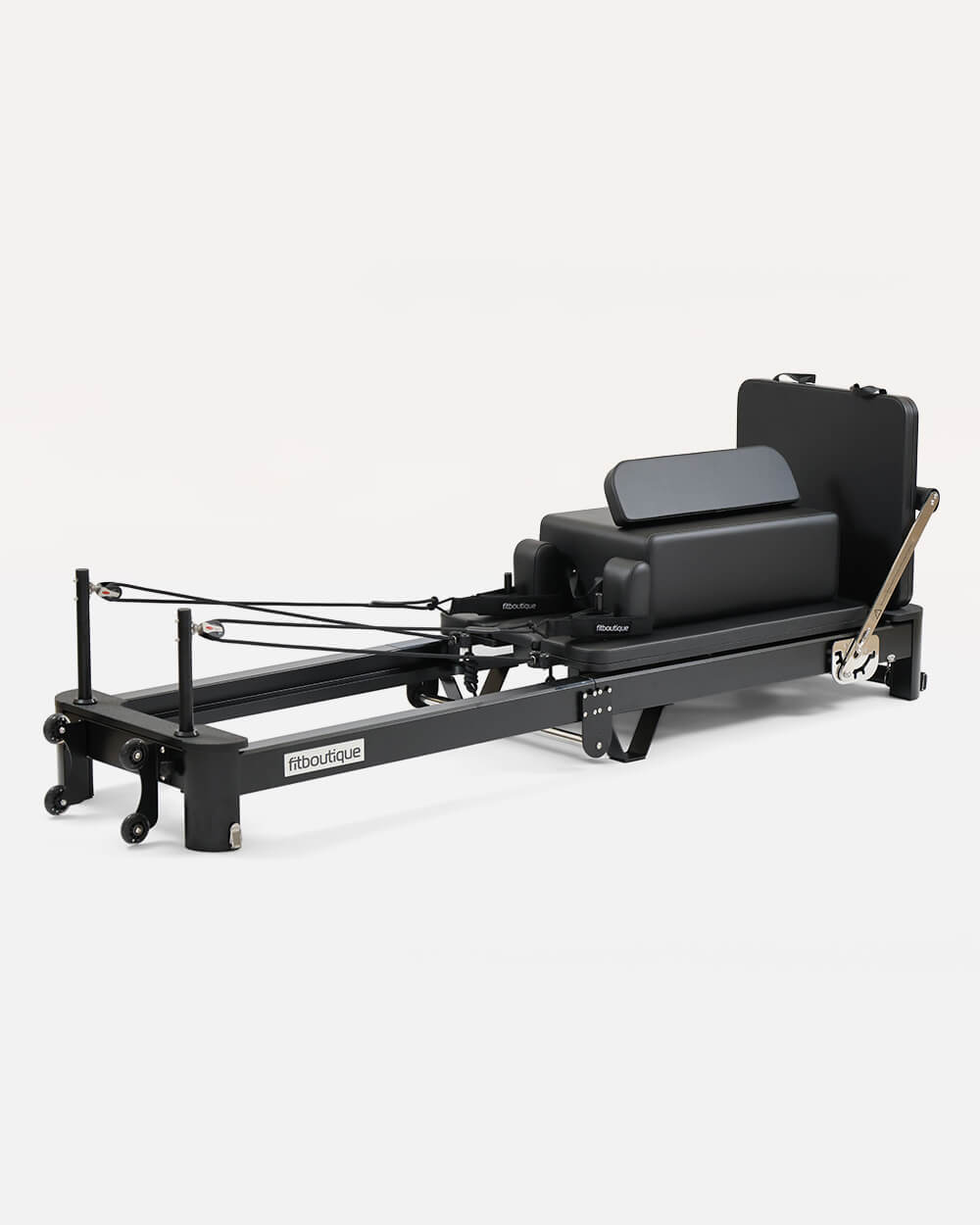
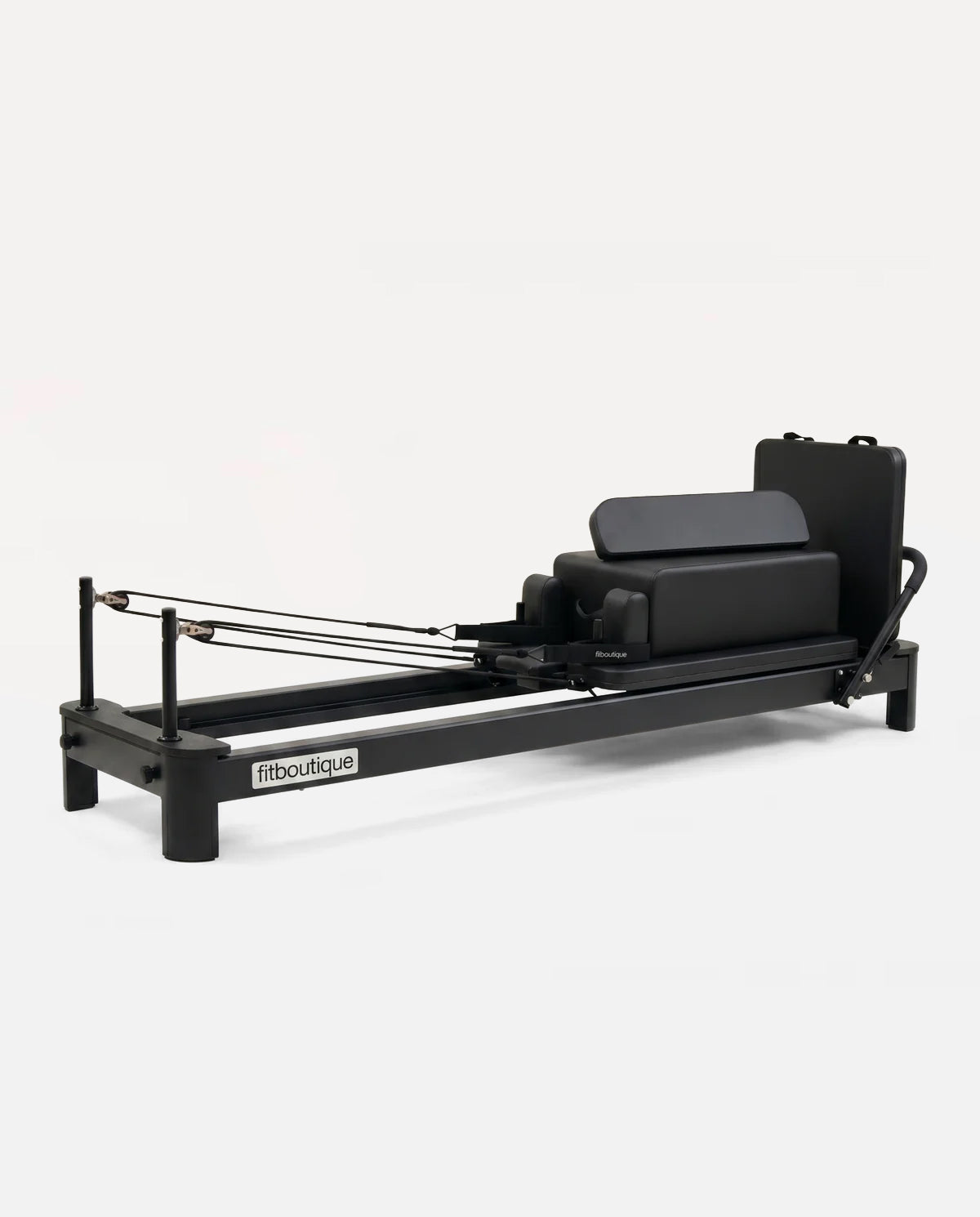
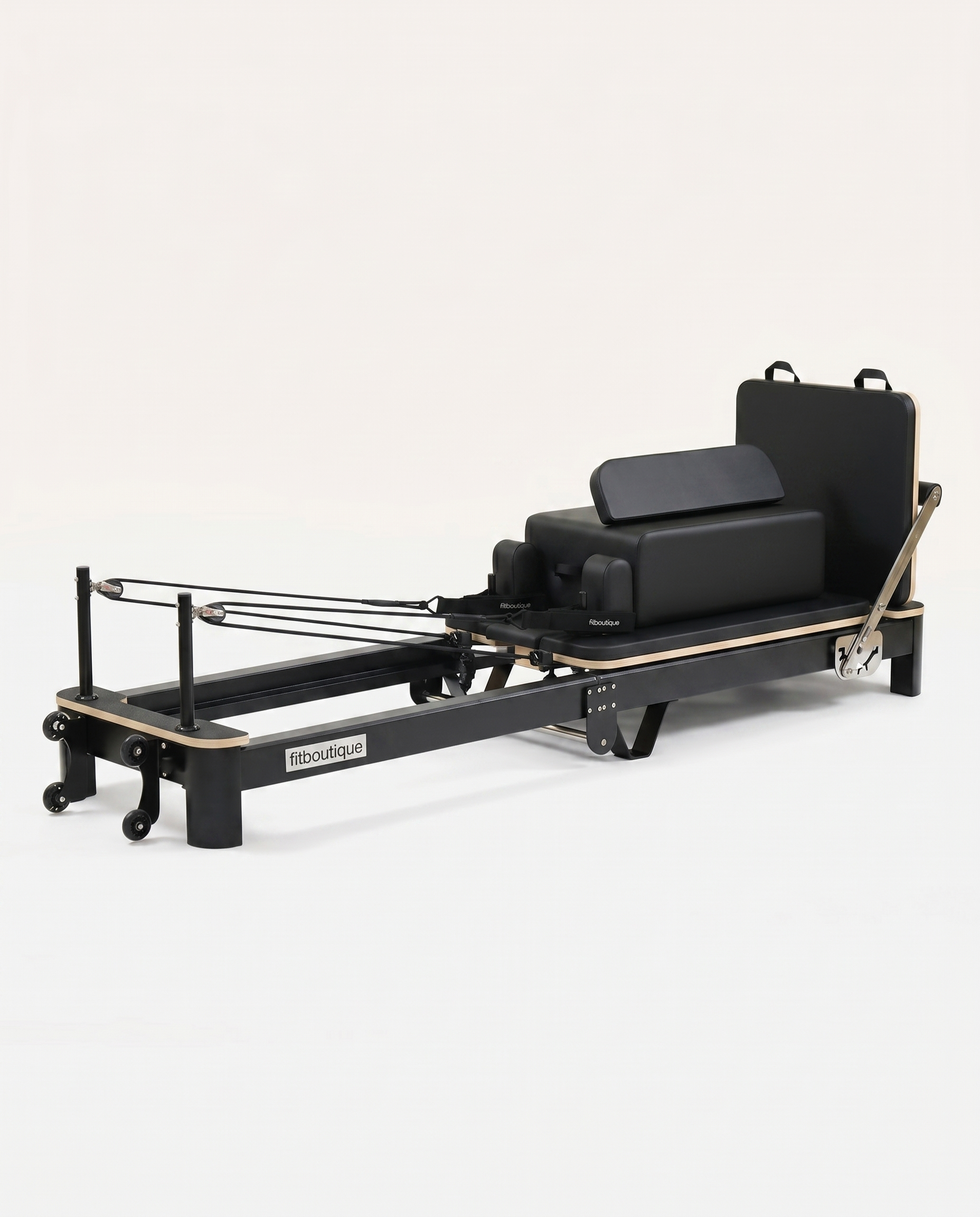
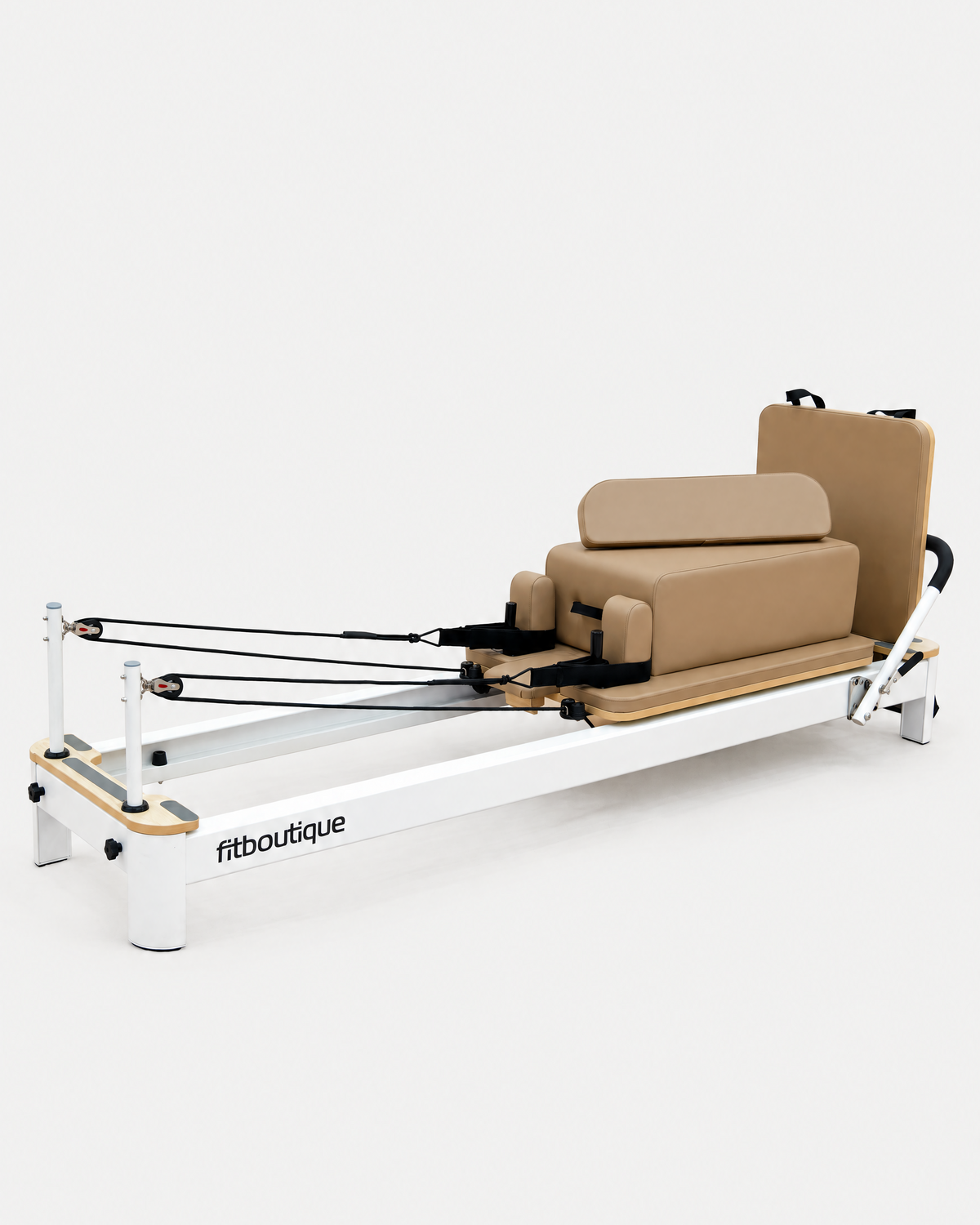
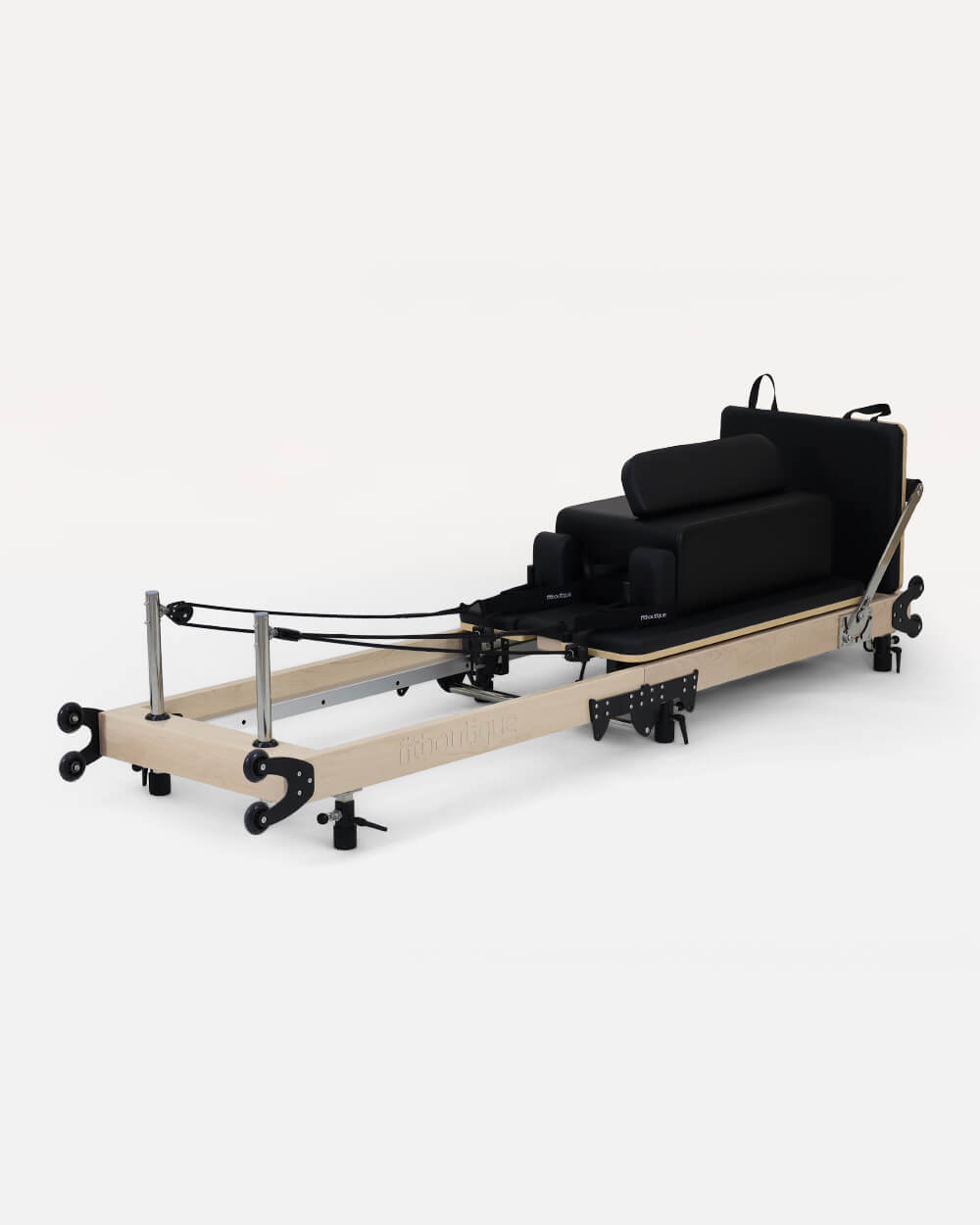
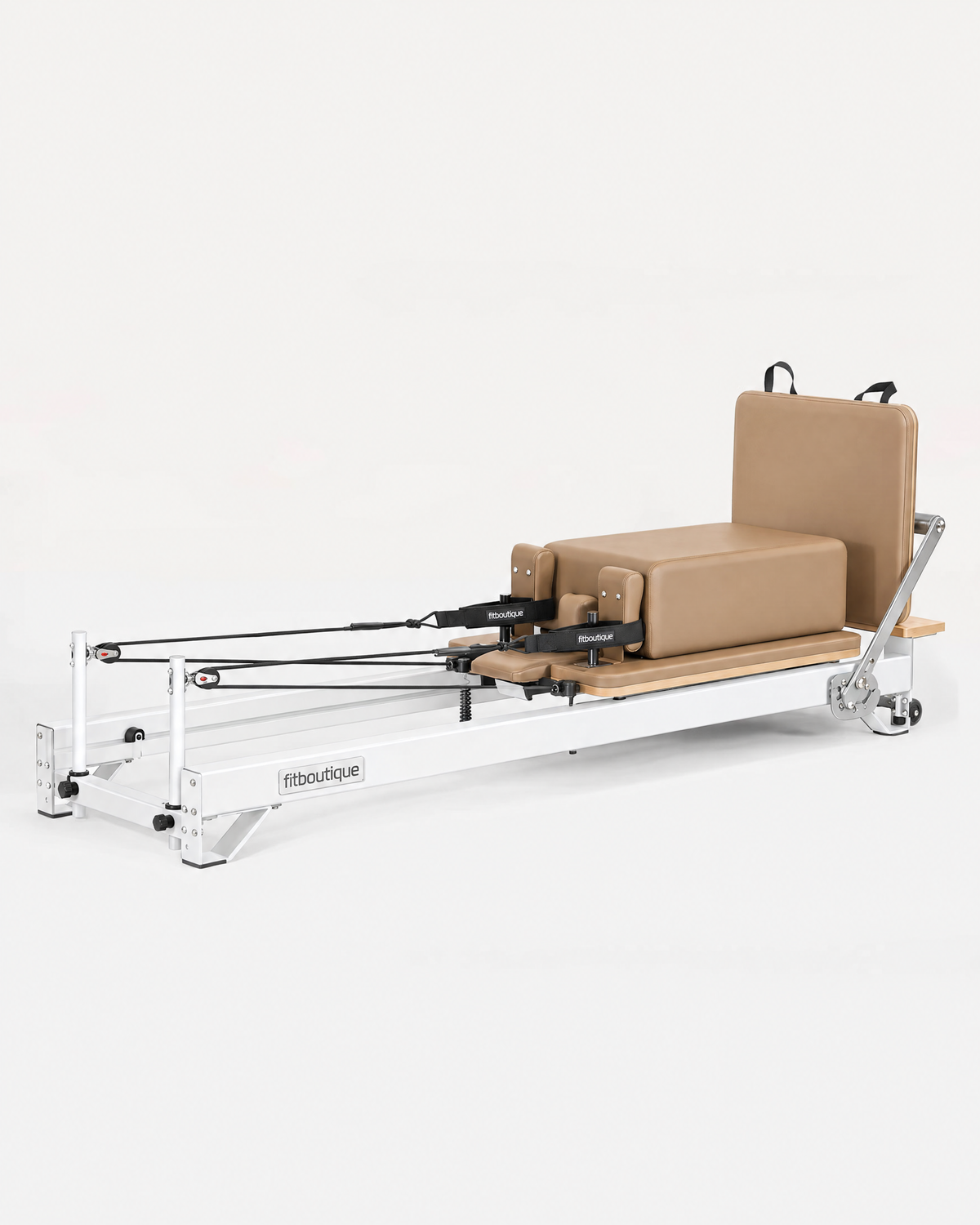
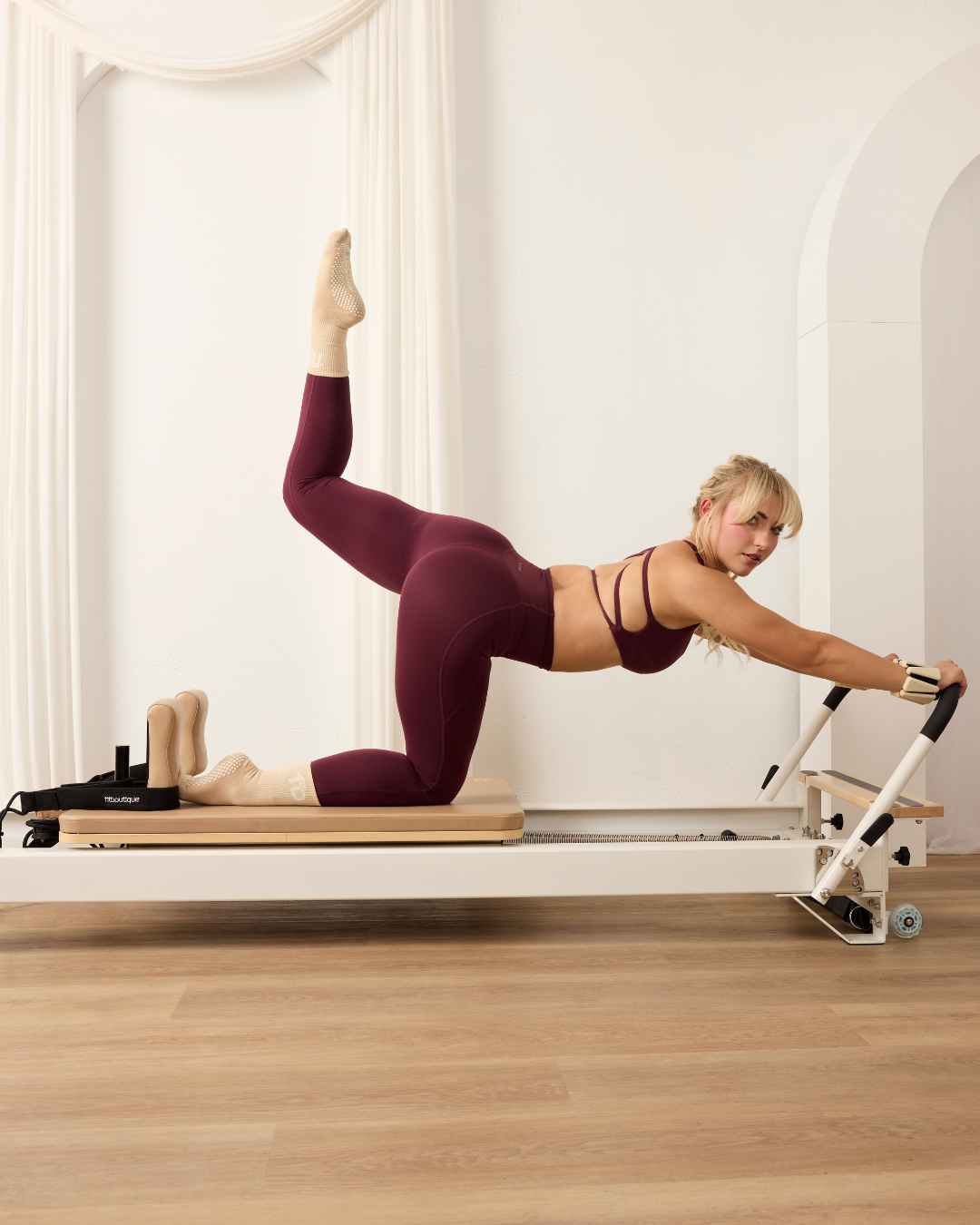
If your setup itself is the problem, that is worth solving properly. The Ivory Reformer and Onyx Fold Reformer fold upright on their wheels when a room has to do more than one job, the timber Maple Crest Reformer is the one people are happiest leaving out in a living space, and the Onyx Reformer is the one I use most.
A Note From Ayrah
The thing that damaged my consistency most was a habit tracker, which is not what I expected to learn.
I had a streak going. Forty one days, marked off in a row, and I was genuinely proud of it. Then I got sick, missed a day, and the chain broke.
I did not train again for three weeks.
Not because I was unwell for three weeks, I was fine after two days. It was that the number had been the whole point, and once it was gone there was nothing to protect. Starting again at day one felt so pathetic compared to forty one that I kept putting it off. The streak had quietly become the reason I was training, and it was a reason that could be destroyed by one ordinary bad day.
So I stopped counting consecutive days and started counting sessions per month. Twelve in a month is my number. If I miss a Tuesday it is completely invisible, I just train on Thursday instead, and nothing has been broken because there was no chain to break.
If you are using a streak to keep yourself going, I would think carefully about it. A monthly count absorbs a bad week. A streak turns one missed day into a verdict, and it is amazing how quickly a verdict becomes three weeks off.
Frequently Asked Questions
How do I stay motivated to do Pilates at home?
Stop relying on motivation, because it is not reliable in anybody. Instead reduce the number of steps between deciding and starting, attach the session to something that already happens daily, and have the workout chosen in advance so you are not deciding what to do while standing there. Those three things carry you through the days you do not feel like it.
Is it normal to lose motivation after a few weeks?
Completely normal and close to universal. The novelty fades around week three and the early rapid improvement slows around month three, which are the two points where most people drift off. Knowing they are coming makes them much easier to ride out, because you stop reading them as a sign that something is wrong.
What if I miss a day, or a week?
Nothing happens. One missed session changes nothing physically, and a missed week costs you very little. The real risk is not the gap itself, it is treating the gap as a verdict and letting it become a month. Train the next day you can, and do not try to make up for it.
How long until it feels automatic?
Most people find it stops feeling like a decision somewhere between four and eight weeks of reasonably consistent practice, though it varies a lot. What speeds it up more than anything is training at the same time each day, since a fixed slot becomes automatic much faster than a floating one.
How do I make myself train when I do not feel like it?
Commit to ten minutes with genuine permission to stop at ten. Do not treat it as a trick to get yourself into a full session, because that stops working once you notice. Ten honest minutes is a real session, and most of the time you will carry on anyway once starting is behind you.
Should I follow a programme or just do my own thing?
Follow something, at least at first. Deciding what to do while standing next to the machine is a common reason people drift, and it usually leads to repeating the four exercises you already like. A guided programme or even a written plan beside the reformer removes that decision entirely.
What time of day is best for home Pilates?
The time that is most reliably free, which for most people is morning, purely because fewer things have gone wrong yet. There is nothing physiologically special about training early. If your evenings genuinely hold, evenings work just as well.
Do home reformers actually get used, or do they gather dust?
It depends almost entirely on setup rather than intent. A machine that lives out with the springs on gets used far more than one that has to be unfolded and rigged each time. If yours is going unused, look at how many steps stand between you and the first exercise before concluding anything about your discipline.
Make It Easy To Start
Reformers that arrive fully assembled and stay ready to use, or fold upright when the room needs to do something else. Free delivery Australia wide and a 5 year warranty.
Compare Every Reformer
Written by Ayrah Yuso
I'm part of the FitBoutique team and have a solid passion (and love) for all things exercise related, including Reformer Pilates


















Leave a comment