





How to Price Pilates Classes for Maximum Profit
Finding the right price for your Pilates classes isn’t just about covering costs. It’s about striking the balance between affordability for clients and profitability for your studio. The right strategy can make your business sustainable while building a loyal client base.
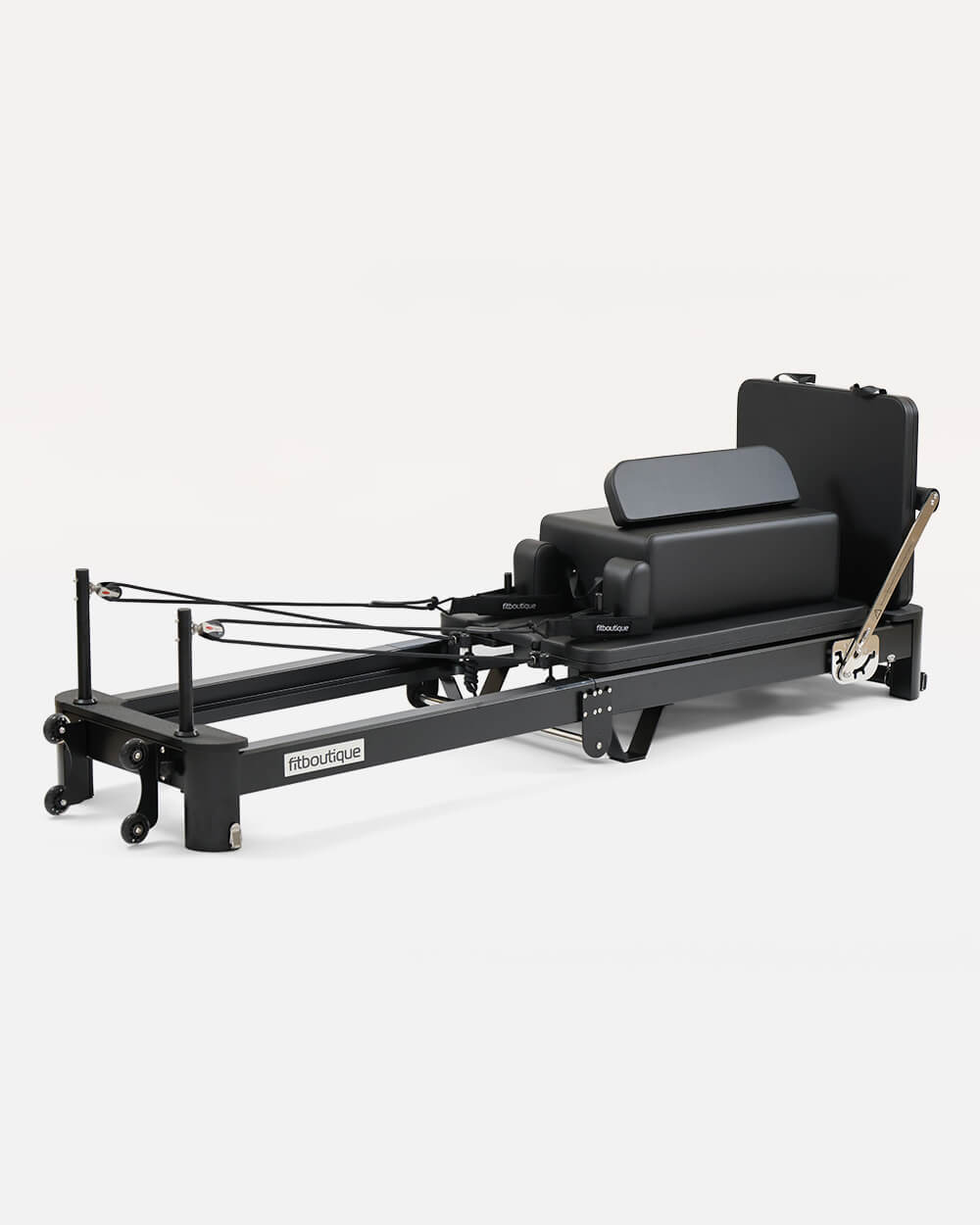
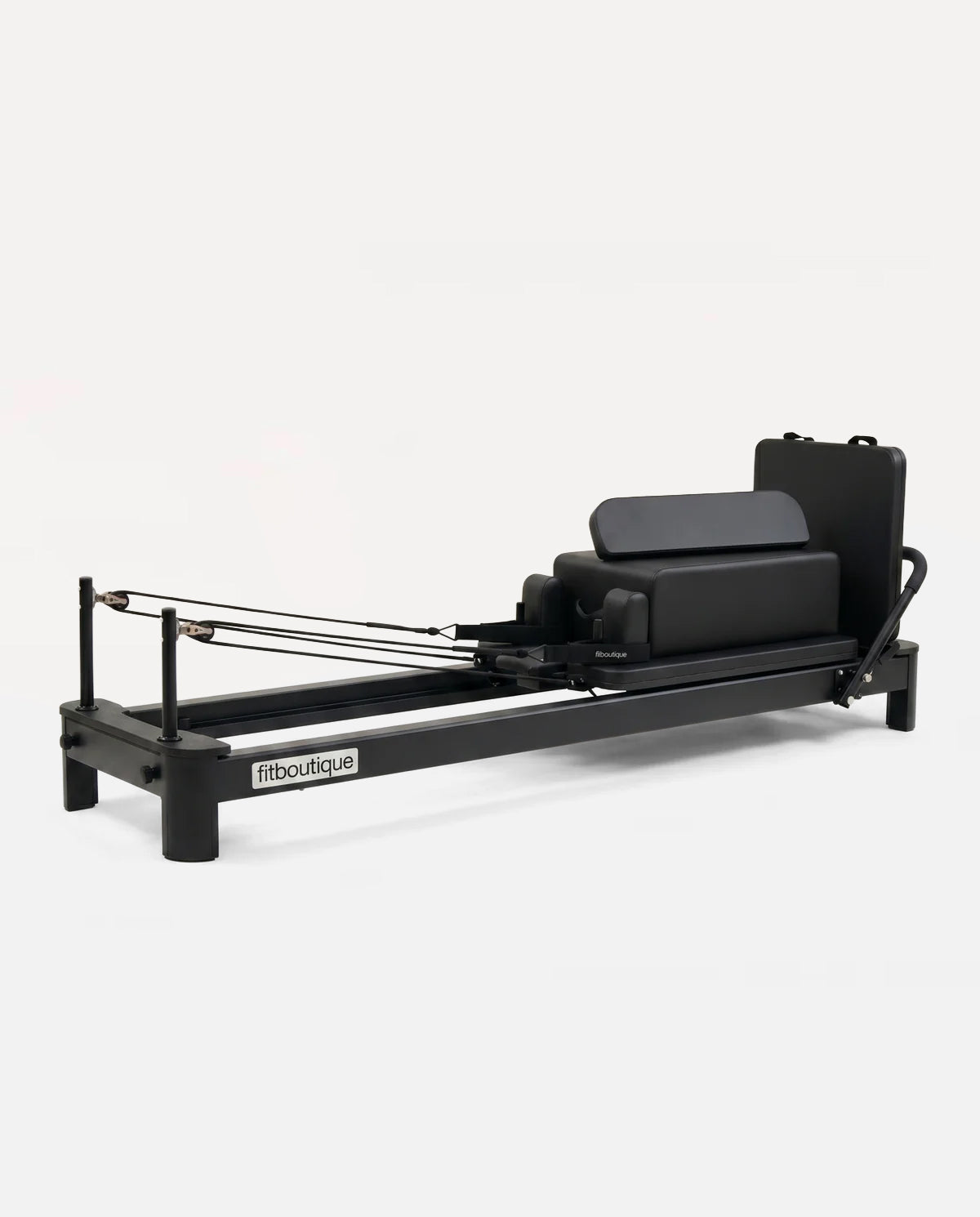
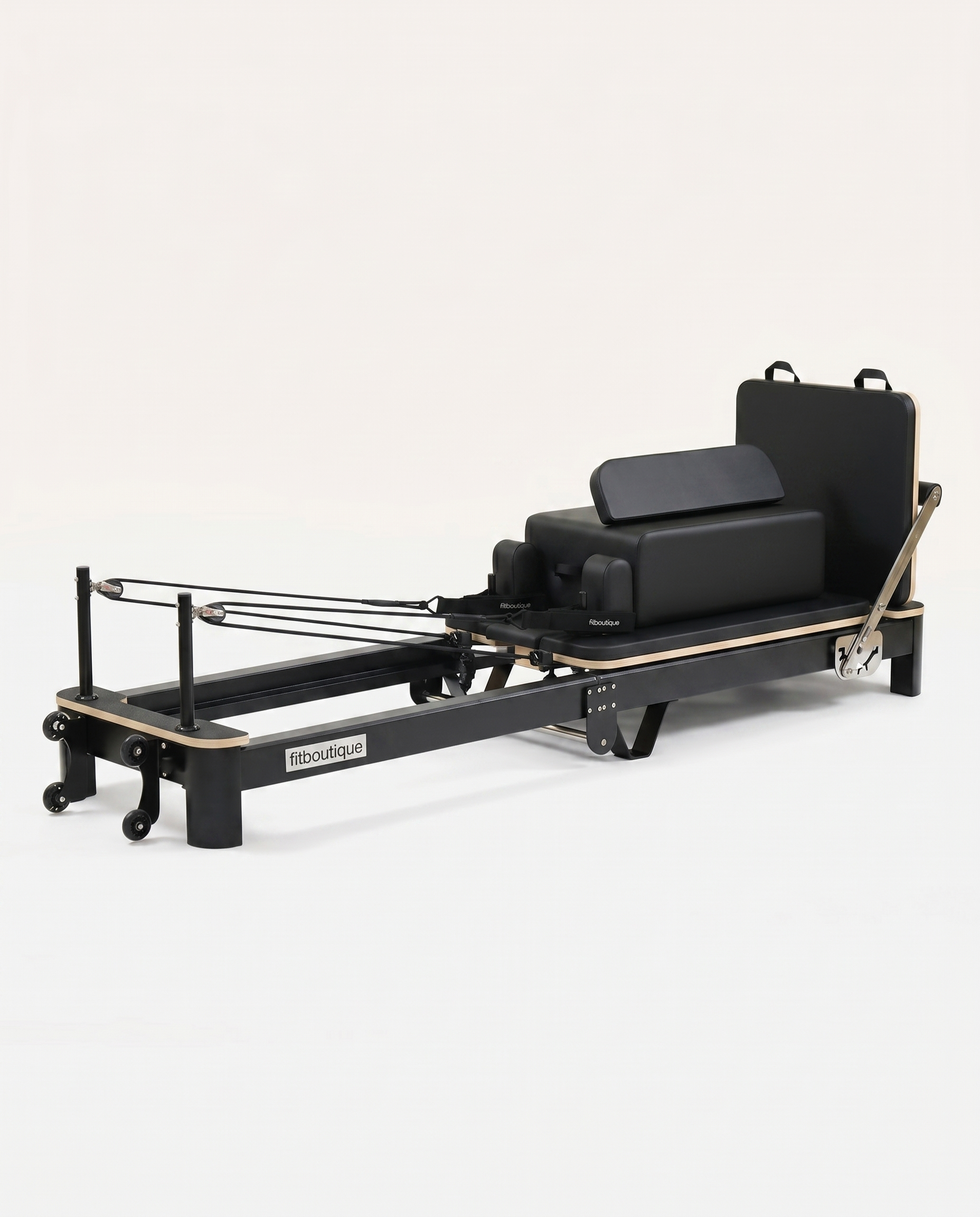
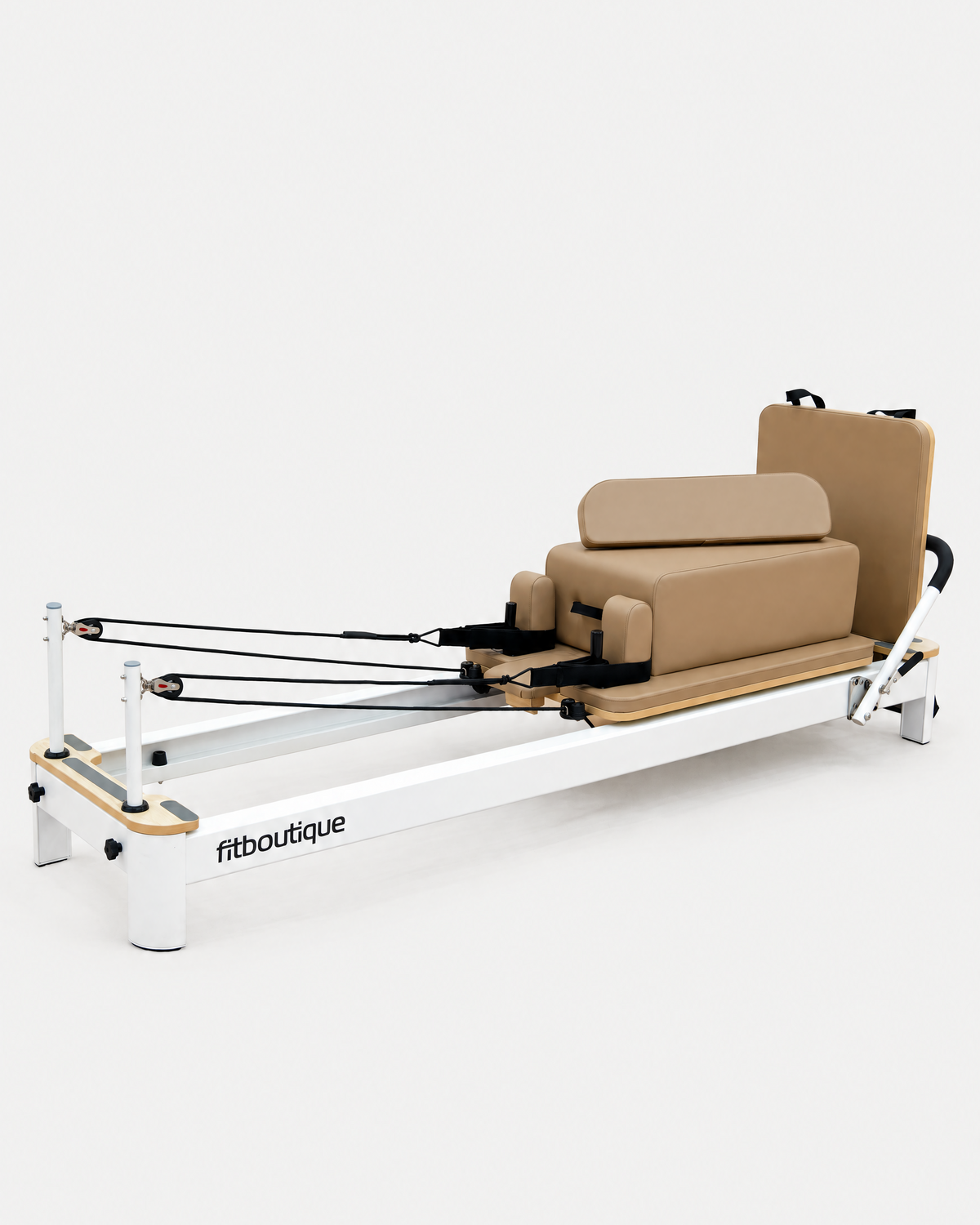
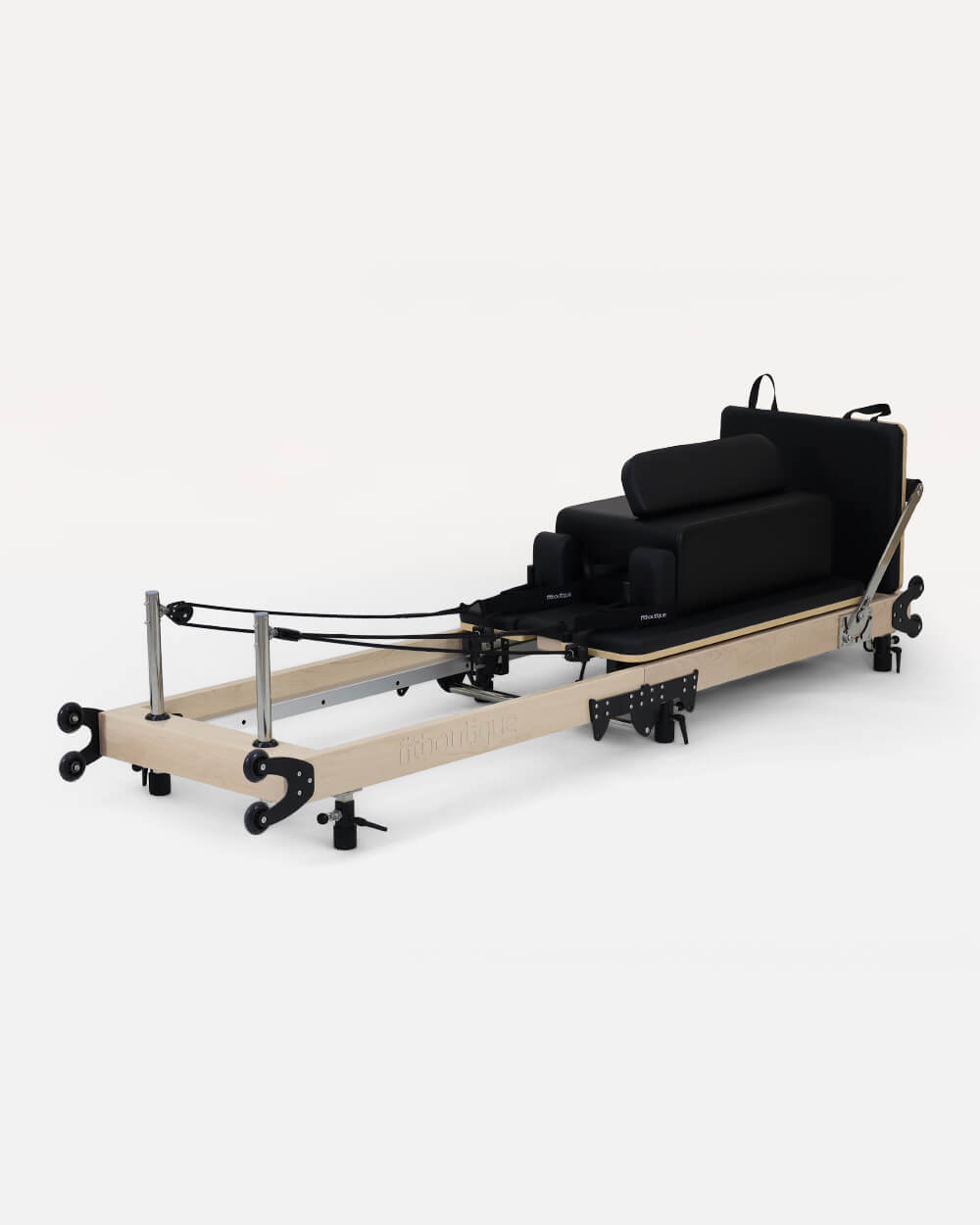
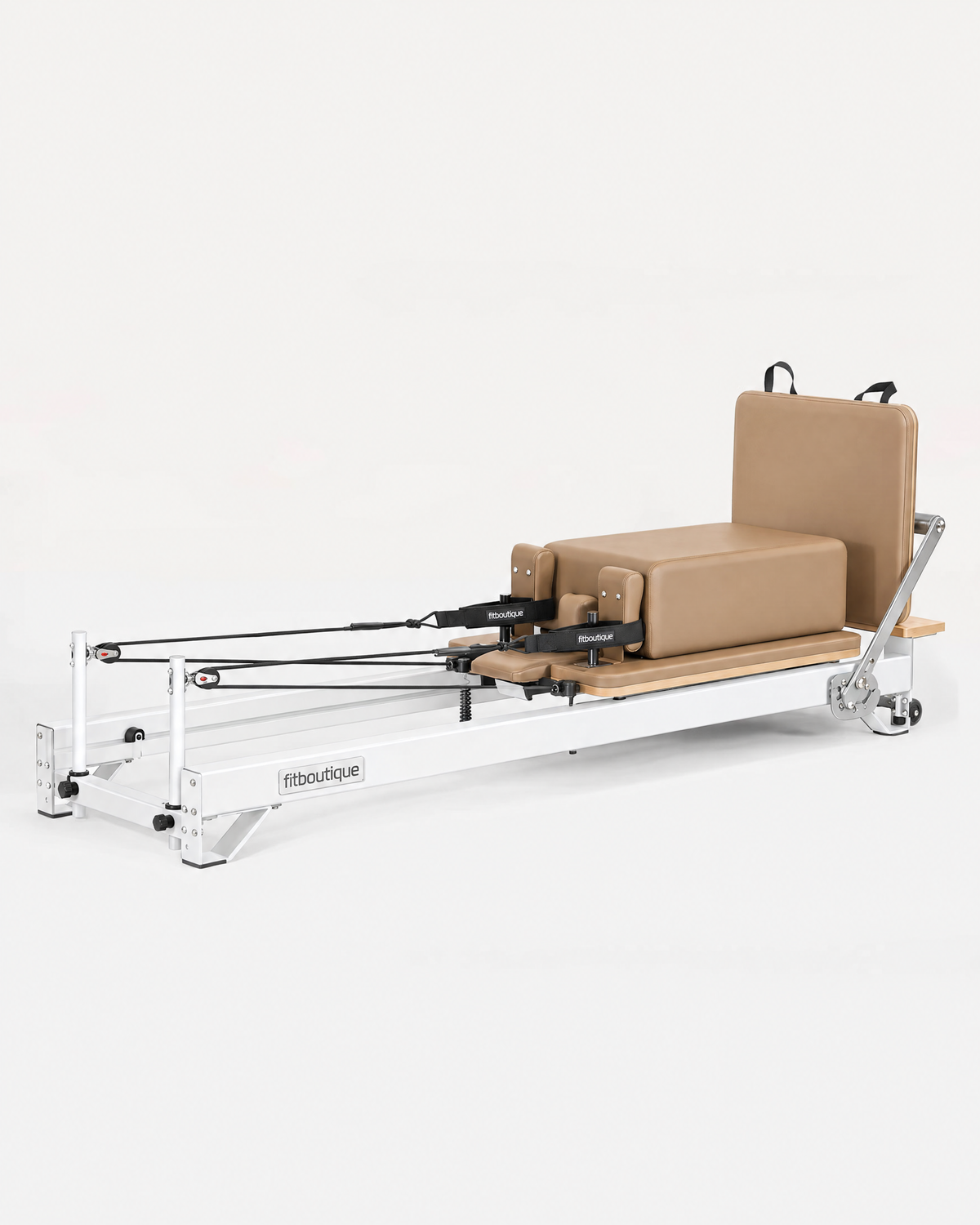
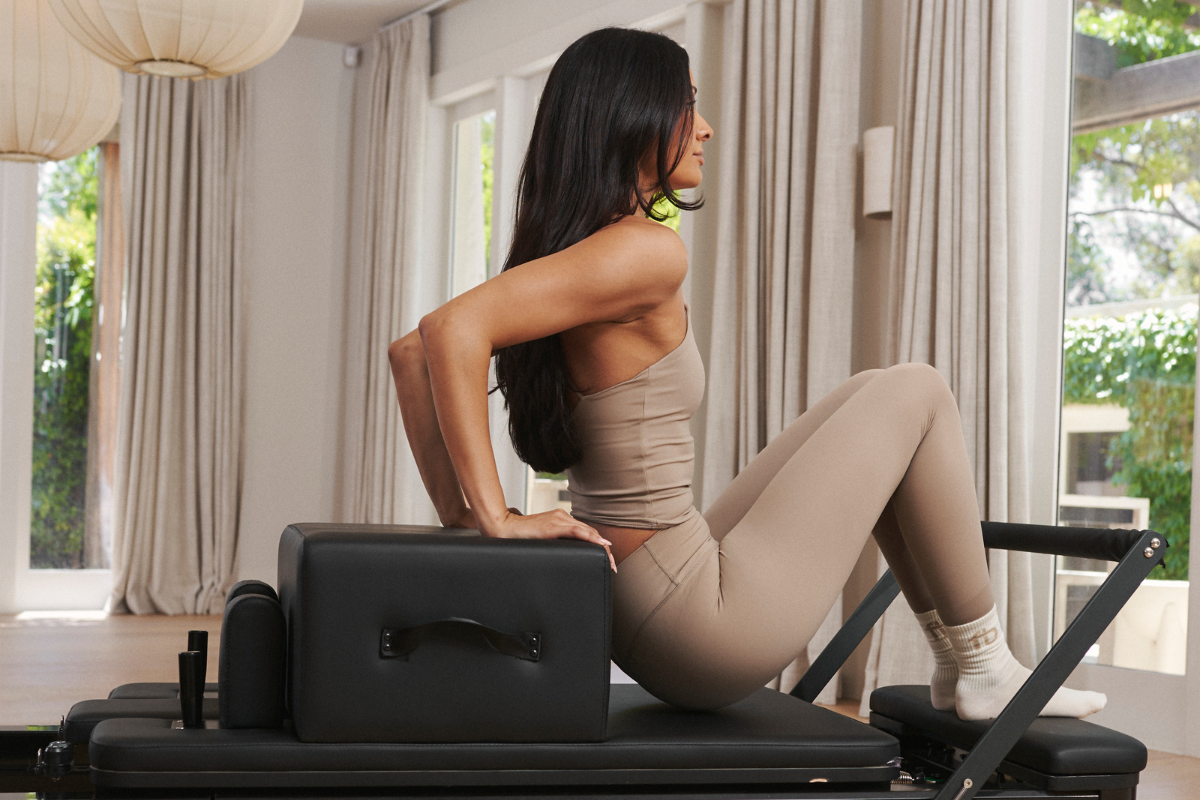
At FitBoutique, we know the value of high-quality equipment like the Reformer Machine. But even the best machines won’t maximise your return unless your pricing structure works.
Let’s break down how to price Pilates classes for maximum profit.
1. Understand Your Costs
Start by calculating your fixed and variable expenses:
-
Fixed costs: rent, insurance, salaries, software subscriptions.
-
Variable costs: instructor hours, utilities, cleaning, maintenance of your Reformer Machines.
Once you know your break-even point, you can set class prices that actually drive profit.
2. Research Your Market
Pricing too high can push potential clients away. Pricing too low can undervalue your expertise and equipment.
Check out what local Pilates studios are charging for:
-
Casual drop-in classes
-
Reformer Machine group sessions
-
Private one-on-one training
Your pricing should sit competitively within this range while reflecting the premium experience you offer.
3. Offer Tiered Pricing Options
Different clients have different budgets. Tiered pricing makes Pilates more accessible while boosting revenue. Examples include:
-
Casual class: a higher per-class rate for flexibility.
-
Multi-class packs: lower per-class price, encouraging repeat visits.
-
Memberships: unlimited access at a flat monthly rate for consistent cash flow.
Highlight the value of investing in high-quality Reformer Machine sessions compared to cheaper alternatives.
4. Leverage Premium Offerings
If you’ve invested in top-grade Reformer Machines like the ones from FitBoutique, reflect that in your pricing. Clients will pay more for premium experiences when they understand the value.
You can introduce higher-priced classes such as:
-
Small-group Reformer Machine classes (max 4 clients for personalised attention)
-
Specialty programs like Pilates for athletes, injury rehab, or men’s strength training
-
Private sessions with full focus on one client’s goals
5. Balance Affordability with Exclusivity
Pilates is about quality, not quantity. Don’t feel pressured to run your business like a discount gym. Instead, show clients what they gain from your expert instruction, boutique studio vibe, and access to world-class equipment.
By positioning your studio as a premium experience, you can justify higher prices while keeping clients invested.
6. Review and Adjust Regularly
Your costs, competition, and demand will shift over time. Revisit your pricing strategy at least twice a year.
Ask yourself:
-
Are your Reformer Machine classes always full? You may be underpricing.
-
Are you struggling to fill spots? It may be time to introduce promotions or flexible class packs.
Stay agile. Don’t let your pricing stagnate.
Final Thoughts
Pricing Pilates classes is both an art and a science. When you combine careful cost analysis with a strong value proposition, you’ll find that sweet spot where affordability meets profitability.
Remember: clients don’t just pay for a class. They pay for the premium experience of training on high-quality Reformer Machines, expert guidance, and results they can feel.
At FitBoutique, we provide the equipment that helps you deliver that experience. If you’re building or upgrading your studio, explore our range of Reformer Machines designed for both home and commercial use.
Contact us today to learn how we can support your Pilates business.
Written by Ayrah Yuso
I'm part of the FitBoutique team and have a solid passion (and love) for all things exercise related, including Reformer Pilates



















Leave a comment