





How the Reformer Supports Injury Rehabilitation
Recovering from an injury can feel frustrating, especially when returning to movement seems overwhelming. One of the reasons Reformer Pilates has become so popular in both professional rehabilitation settings and home fitness routines is its ability to provide low-impact yet highly effective movement that supports recovery safely and progressively.
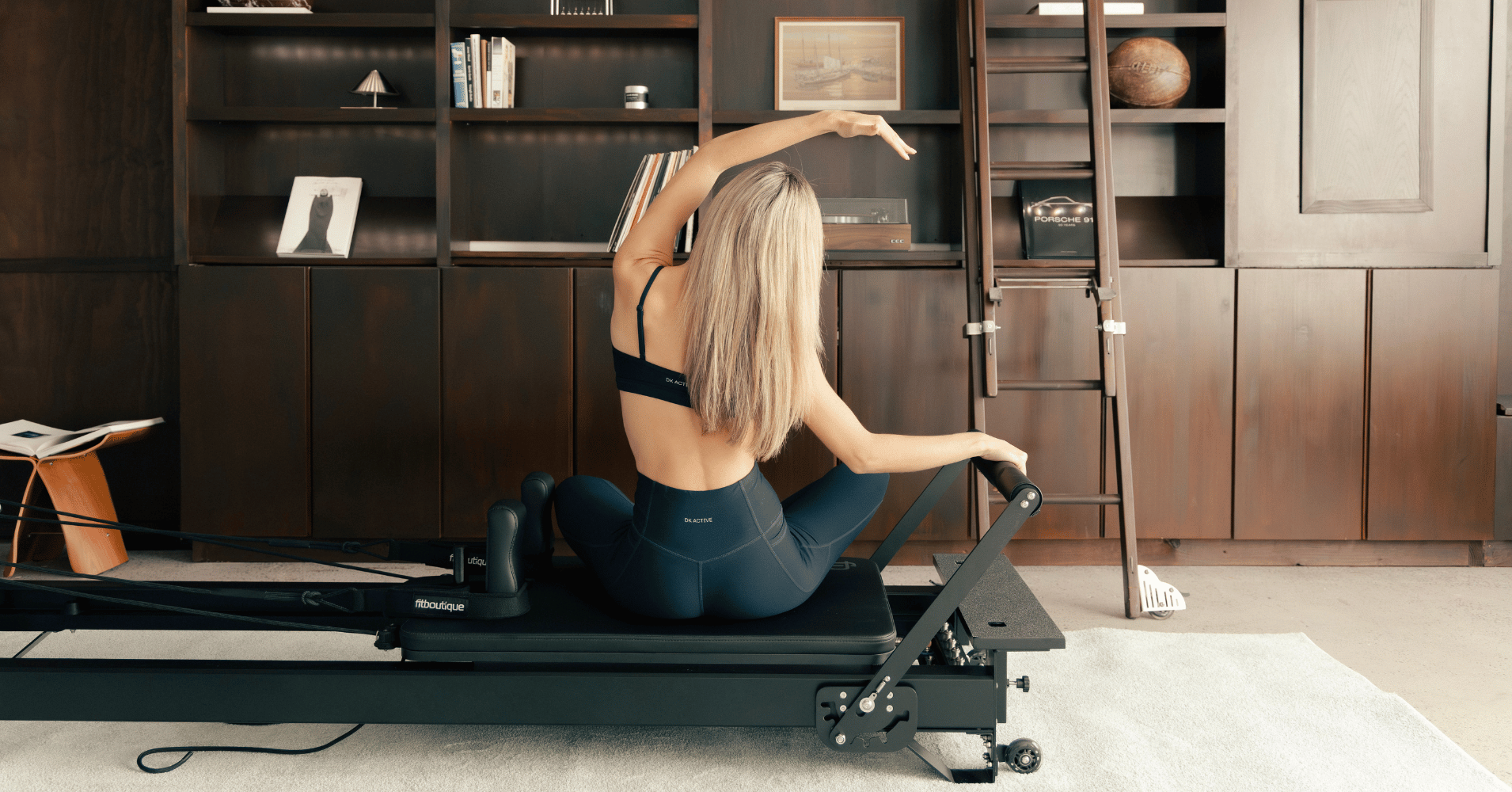
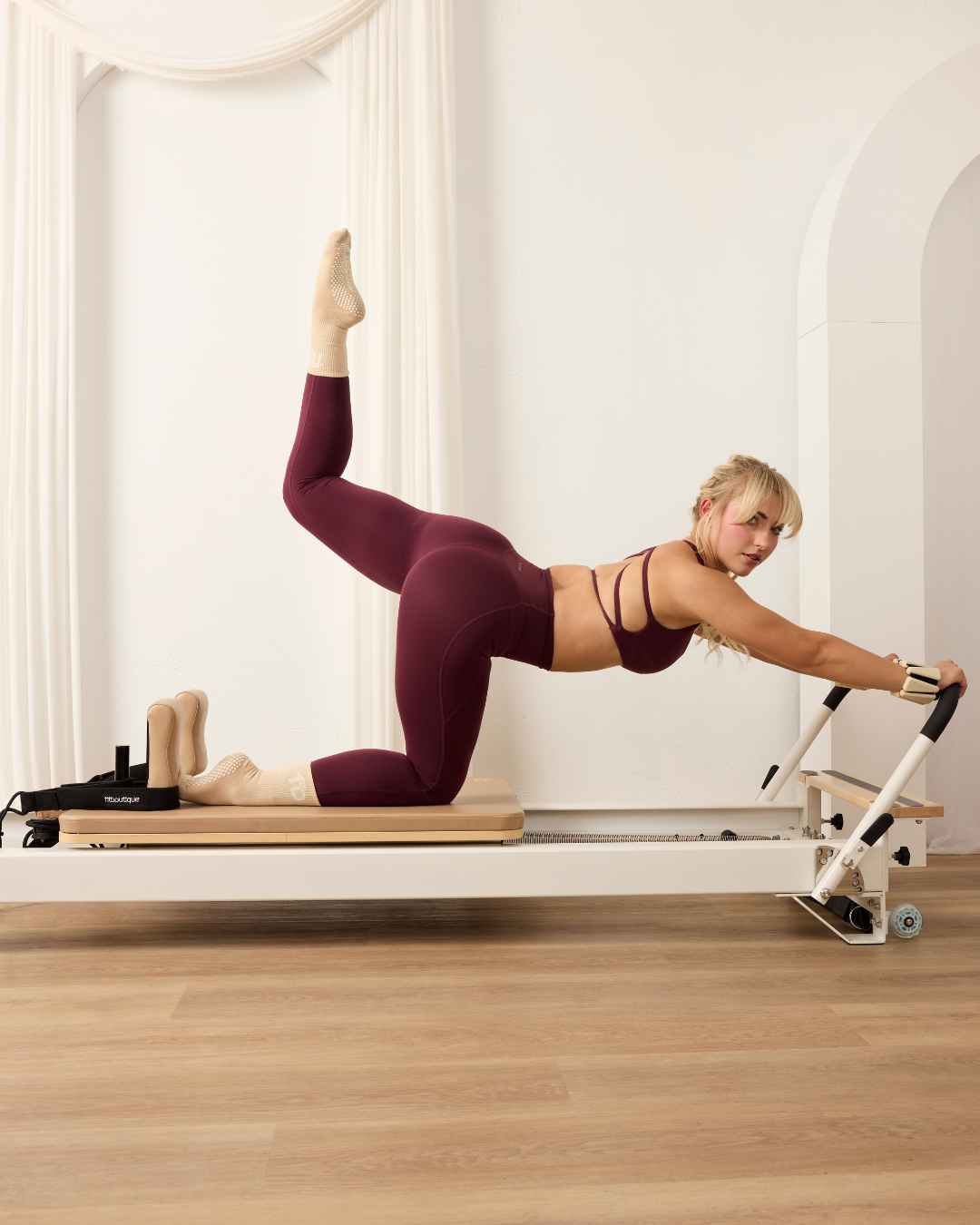
Whether you are working with a pilates instructor in a professional studio or using a reformer in your home studio, the controlled movement and adjustable resistance of a reformer machine can help rebuild strength, improve mobility, and restore confidence after injury.
Why Reformer Pilates Is Effective for Rehabilitation
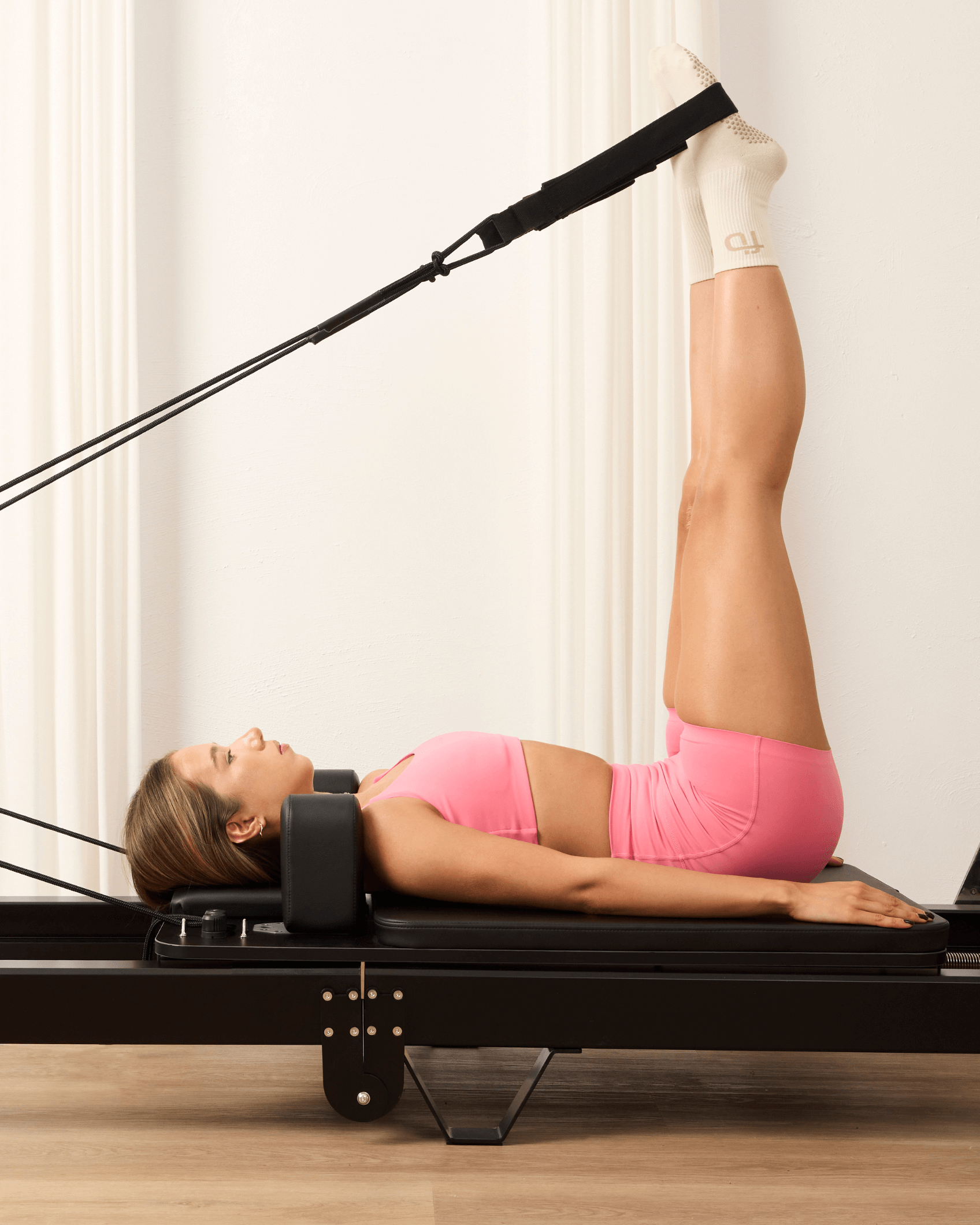
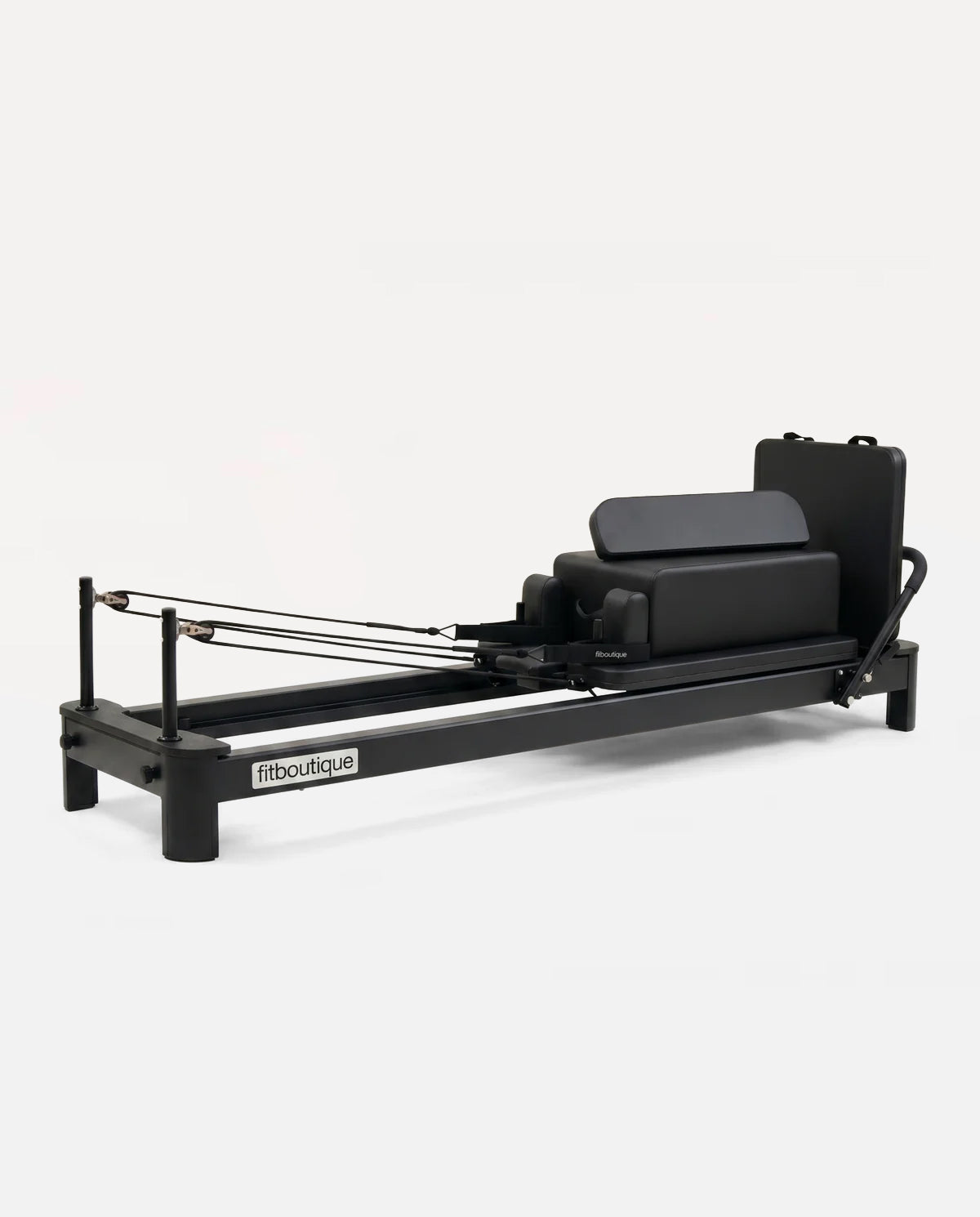
Unlike high-impact workouts that can place excessive stress on the body, reformer pilates focuses on controlled, precise movements. The reformer machine uses springs to create adjustable resistance, allowing exercises to be modified depending on the individual’s strength, mobility, and stage of recovery.
This makes pilates an excellent option for people recovering from common injuries involving:
- Lower back pain
- Knee injuries
- Hip discomfort
- Shoulder instability
- Postural issues
- Muscle imbalances
- Joint stiffness
Because the exercises are low-impact, users can strengthen muscles without putting unnecessary pressure on sensitive joints or injured areas.
Controlled Resistance Supports Safer Movement
One of the key benefits of the reformer is its spring-based resistance system. Unlike traditional weights, the resistance can be adjusted smoothly and gradually, helping users regain strength at a comfortable pace.
This controlled resistance allows the body to move with better alignment and stability, which is especially important during rehabilitation. A pilates instructor can customise movements based on specific recovery goals, ensuring exercises remain safe and effective throughout the healing process.
For beginners or those recovering at home, modern reformer machines are also designed to provide stability and comfort, making them suitable for creating a supportive home studio environment.
Improving Core Strength and Stability
Core strength plays a major role in injury prevention and recovery. Weak core muscles can contribute to poor posture, instability, and strain on other parts of the body.
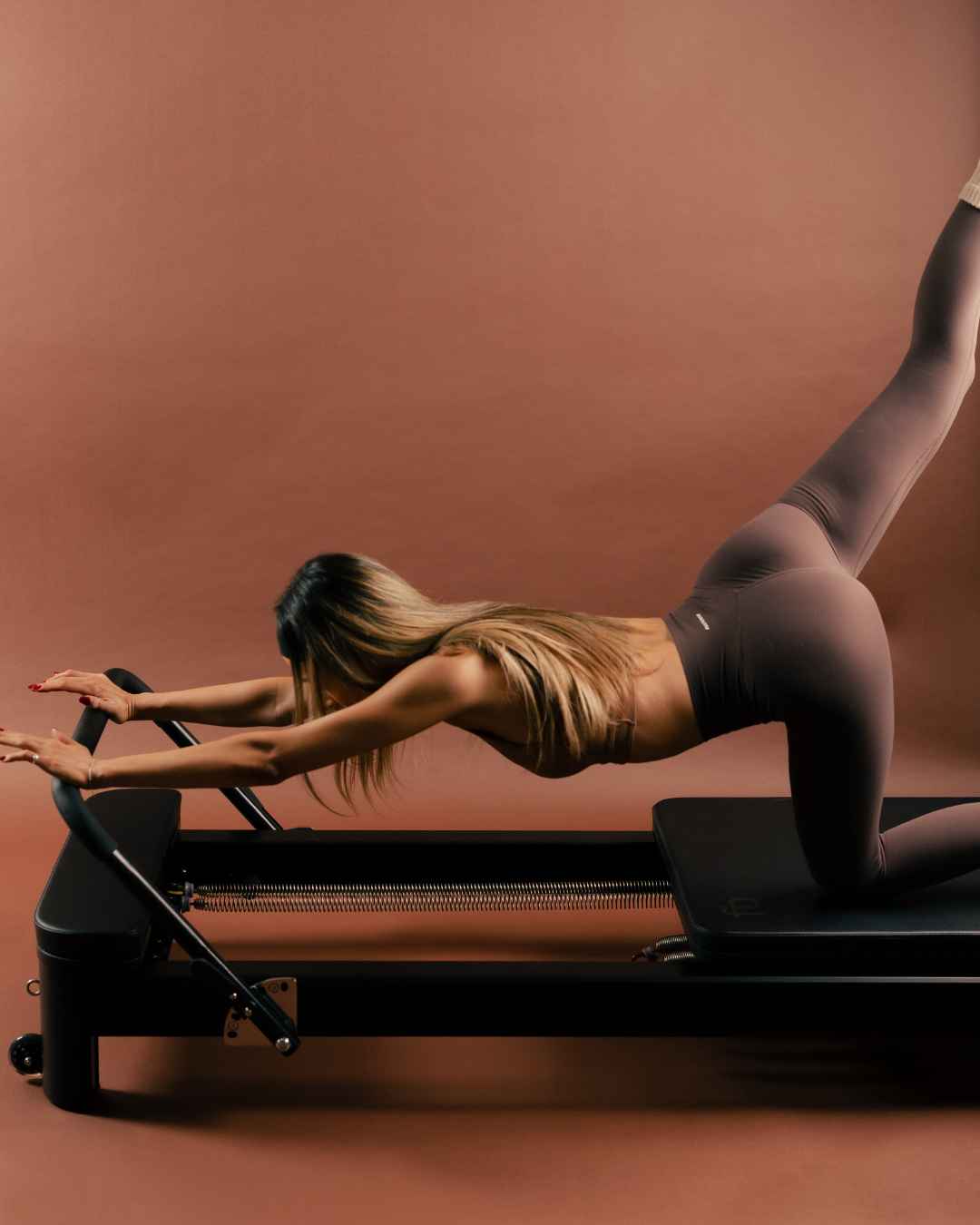
Reformer pilates activates deep stabilising muscles through slow, controlled exercises that focus on proper alignment and balance. Strengthening these muscles helps support the spine, pelvis, and joints, reducing the risk of further injury.
This is one reason many physiotherapists and pilates instructors incorporate reformer exercises into rehabilitation programs.
Enhancing Flexibility and Mobility
After an injury, stiffness and reduced mobility are common challenges. Reformer pilates encourages gentle stretching combined with movement, helping improve flexibility without forcing the body into uncomfortable positions.
The smooth gliding carriage of the reformer supports fluid movement patterns that can help:
- Increase joint mobility
- Improve posture
- Reduce muscular tension
- Restore range of motion
- Encourage better body awareness
Because the exercises can be adjusted for different ability levels, users can gradually progress as their recovery improves.
Supporting Better Posture and Alignment
Poor posture and movement patterns can often contribute to pain and recurring injuries. Reformer pilates places strong emphasis on alignment, breathing, and body control.
By improving posture and movement mechanics, users may experience reduced strain on muscles and joints during everyday activities. This can be particularly beneficial for people who spend long hours sitting at work or those recovering from repetitive strain injuries.
Working with a qualified pilates instructor in a studio setting can provide additional guidance, but many people also enjoy the convenience of practising consistently in a home studio.
Low-Impact Exercise for Long-Term Recovery
One of the biggest advantages of reformer pilates is that it offers a full-body workout without the harsh impact associated with activities like running or heavy lifting.
This makes the reformer suitable not only during rehabilitation but also as part of a long-term wellness routine. Many users continue practising pilates even after recovery because of the ongoing benefits for strength, flexibility, balance, and overall wellbeing.
Creating a Rehabilitation-Friendly Home Studio
The growing popularity of home fitness has made it easier than ever to continue rehabilitation exercises consistently. Investing in a high-quality reformer allows users to maintain movement routines from the comfort of their own home studio.
Modern reformers are designed with both functionality and aesthetics in mind, making them suitable for personal wellness spaces while still delivering professional-level performance.
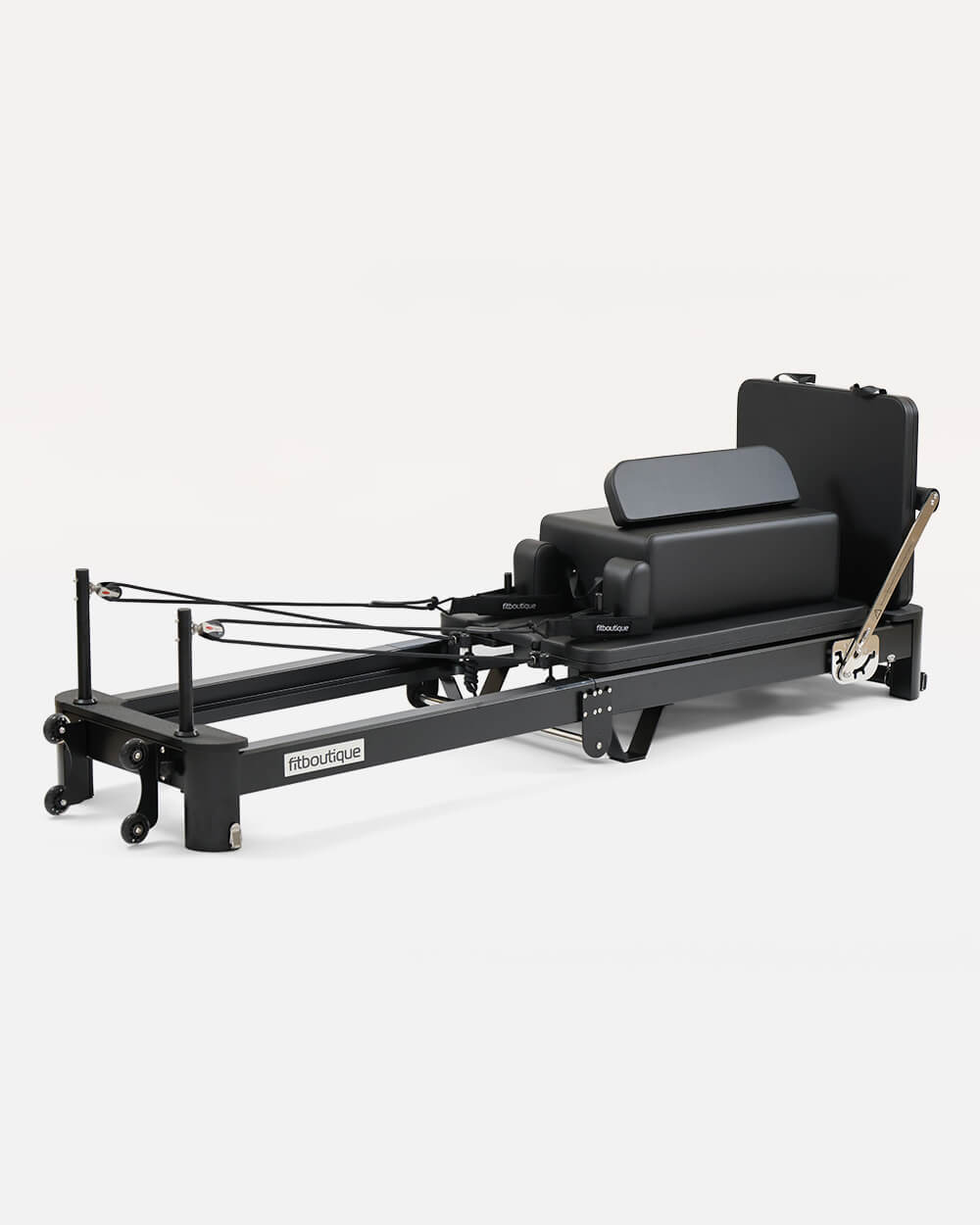
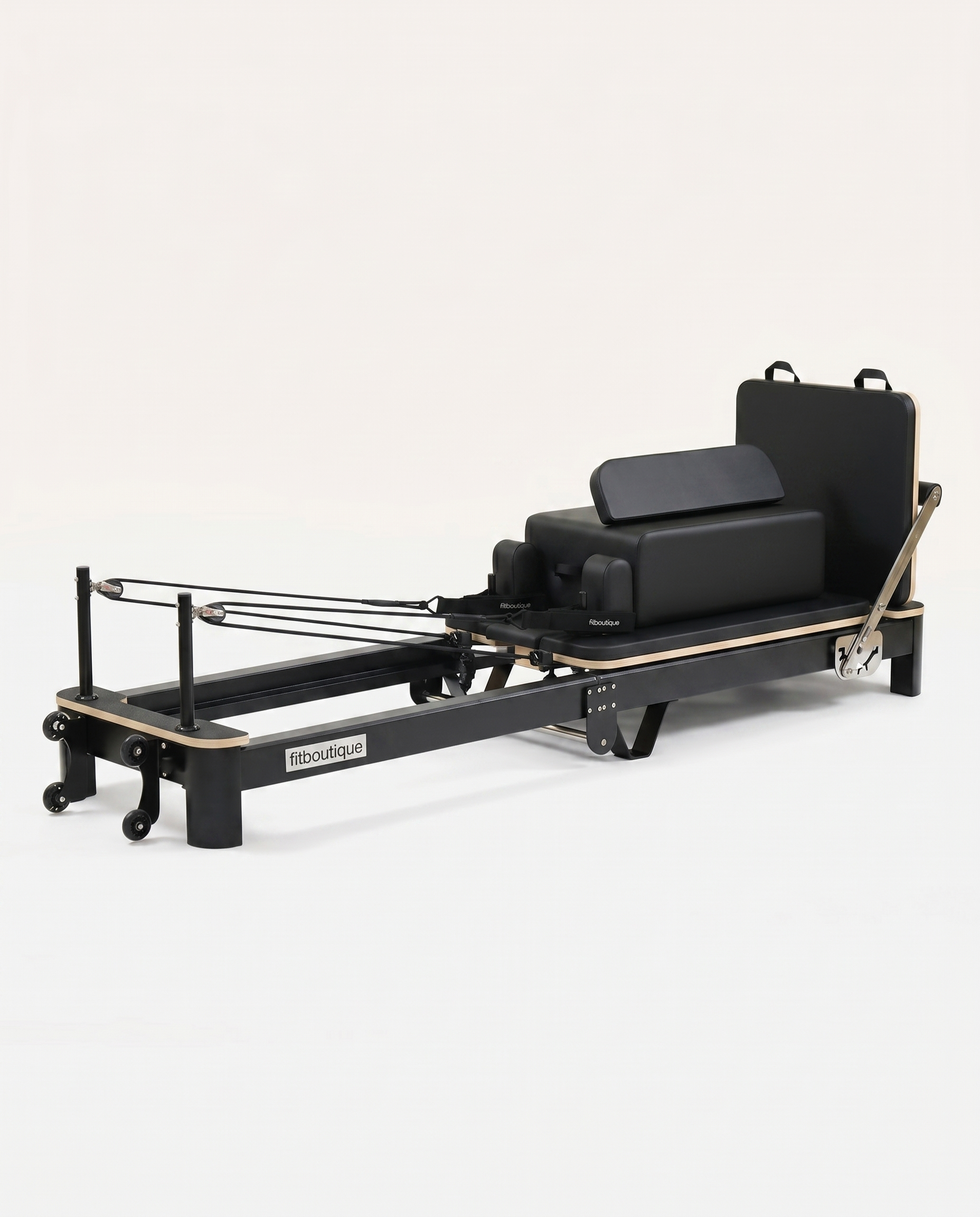
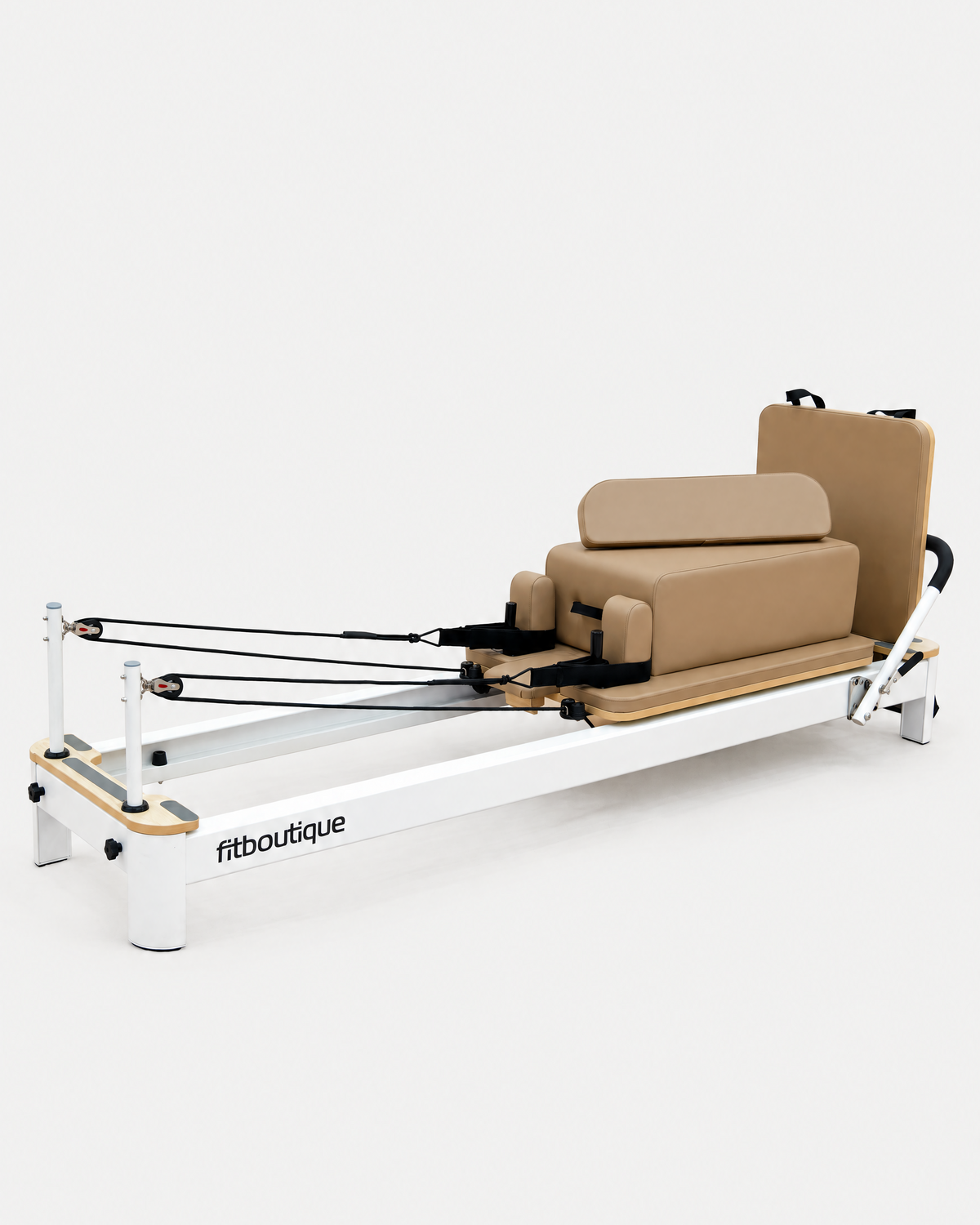
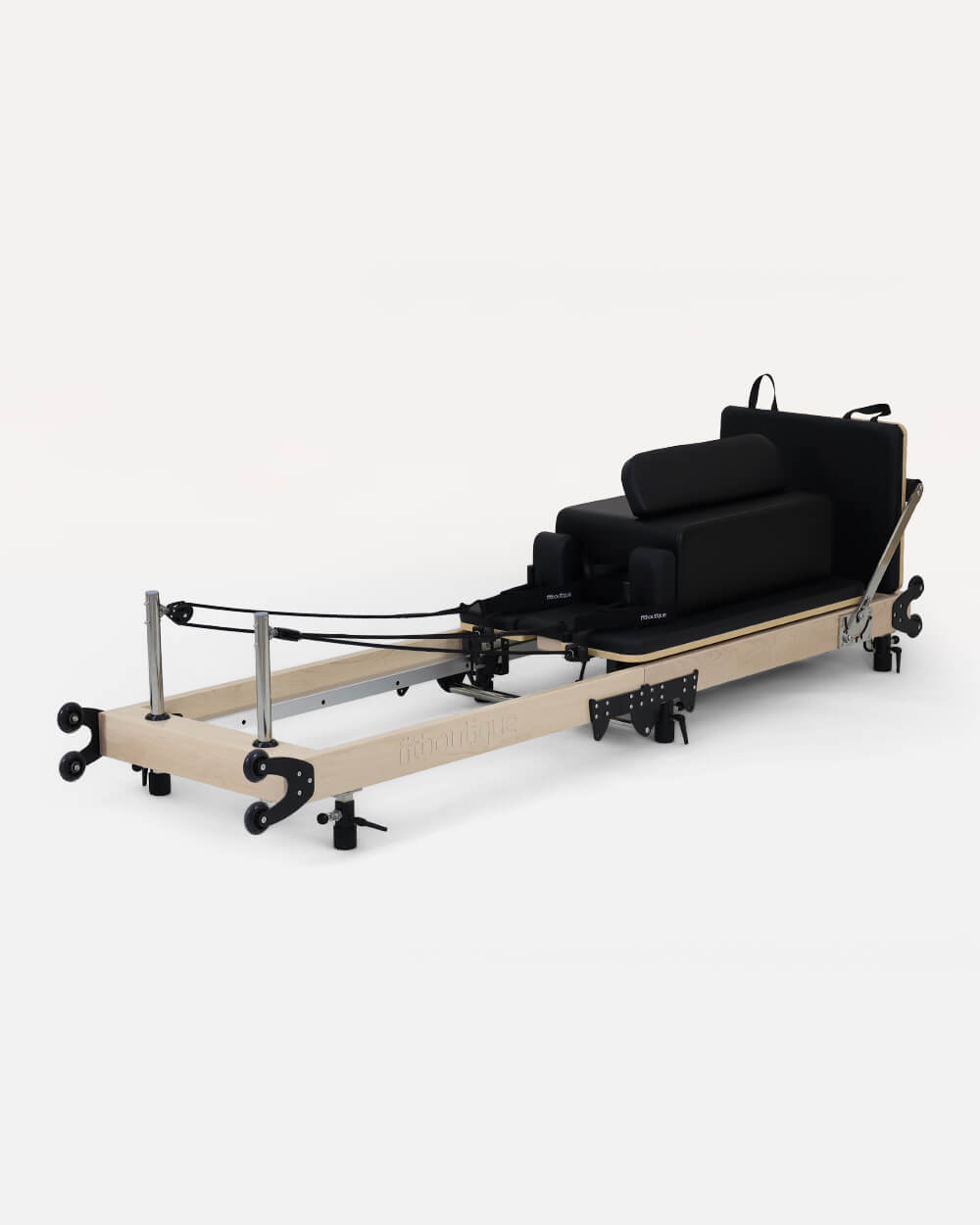
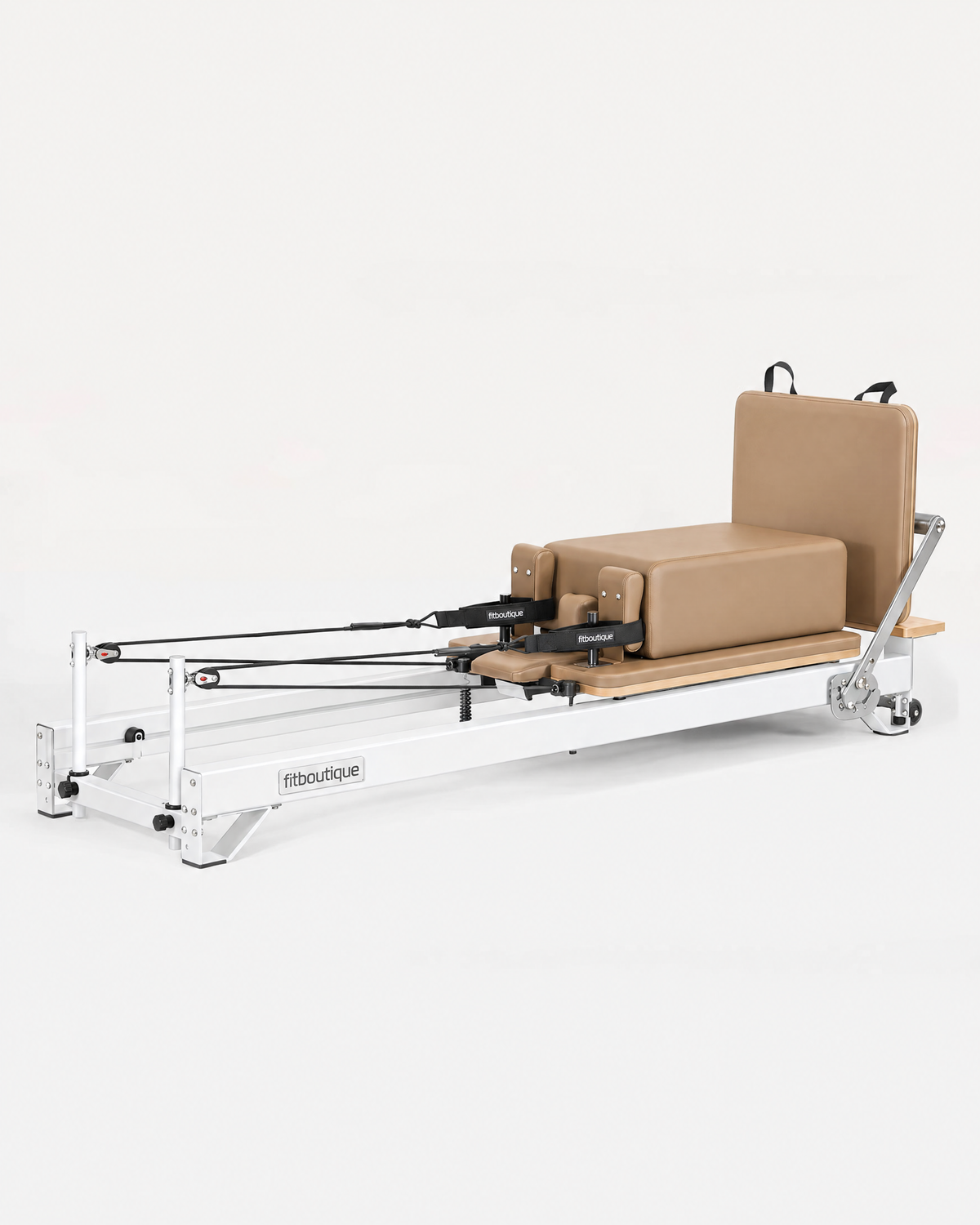
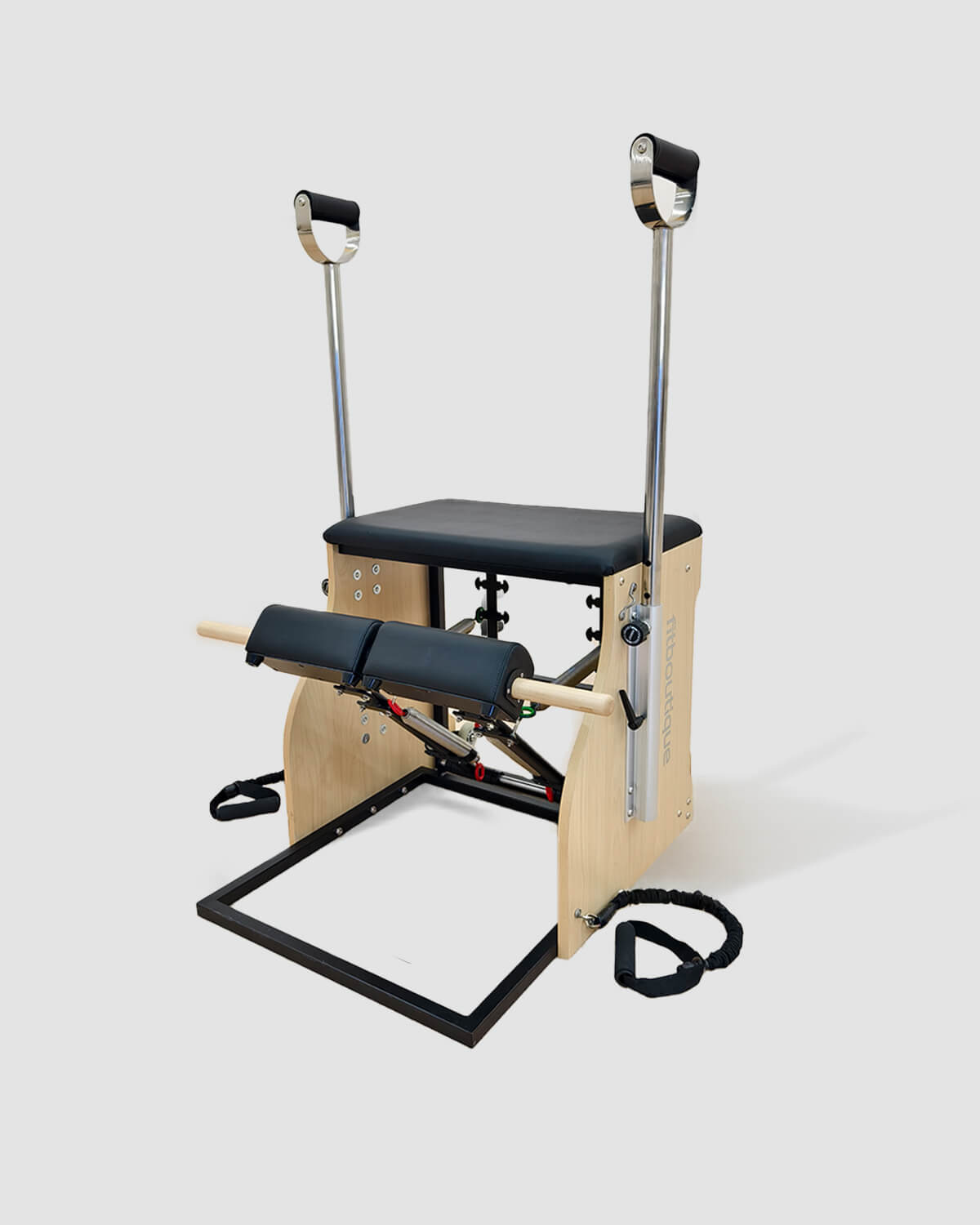
For those looking for premium reformer pilates equipment in Australia, FitBoutique offers a range of stylish, commercial-grade reformers suitable for both beginners and experienced users. Their collection includes foldable and studio-quality reformers designed to support comfort, stability, and versatility during workouts and rehabilitation exercises.
Final Thoughts
Reformer pilates continues to be recognised as an effective tool for injury rehabilitation because of its low-impact design, controlled resistance, and focus on stability and alignment. Whether used in a professional studio or a home studio, the reformer provides a supportive way to rebuild strength, improve mobility, and regain confidence in movement.
With guidance from a qualified pilates instructor and consistent practice, reformer pilates can become an important part of a safe and sustainable recovery journey.

Written by Ayrah Yuso
I'm part of the FitBoutique team and have a solid passion (and love) for all things exercise related, including Reformer Pilates

















Leave a comment