




Pilates Reformer vs Yoga for Beginners
Starting a new fitness routine can feel overwhelming, especially when choosing between popular options like Pilates Reformer and Yoga. Both offer incredible benefits for beginners, but they work the body in very different ways. Understanding these differences can help you choose the practice that best suits your goals, lifestyle, and space.
Understanding Pilates Reformer
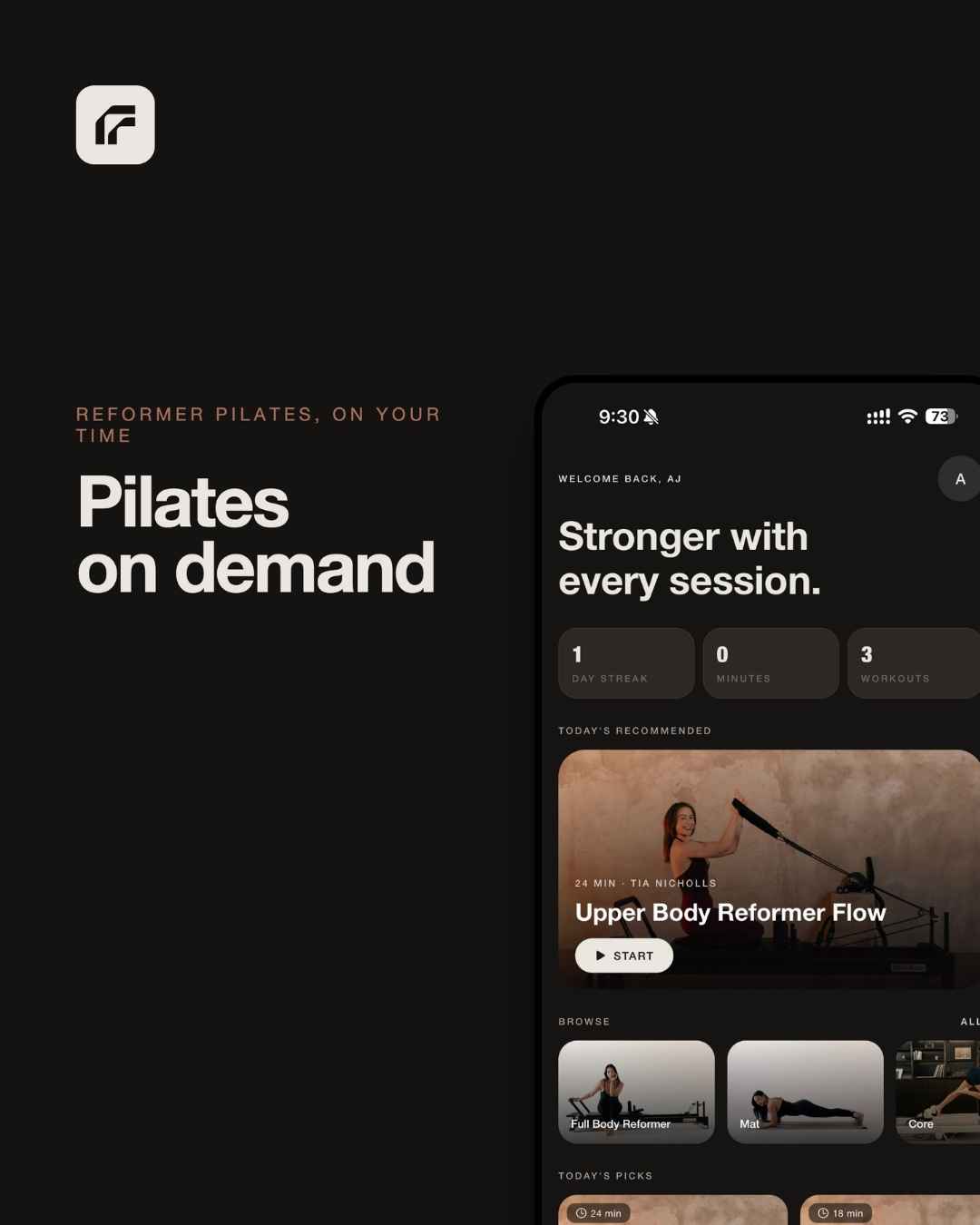
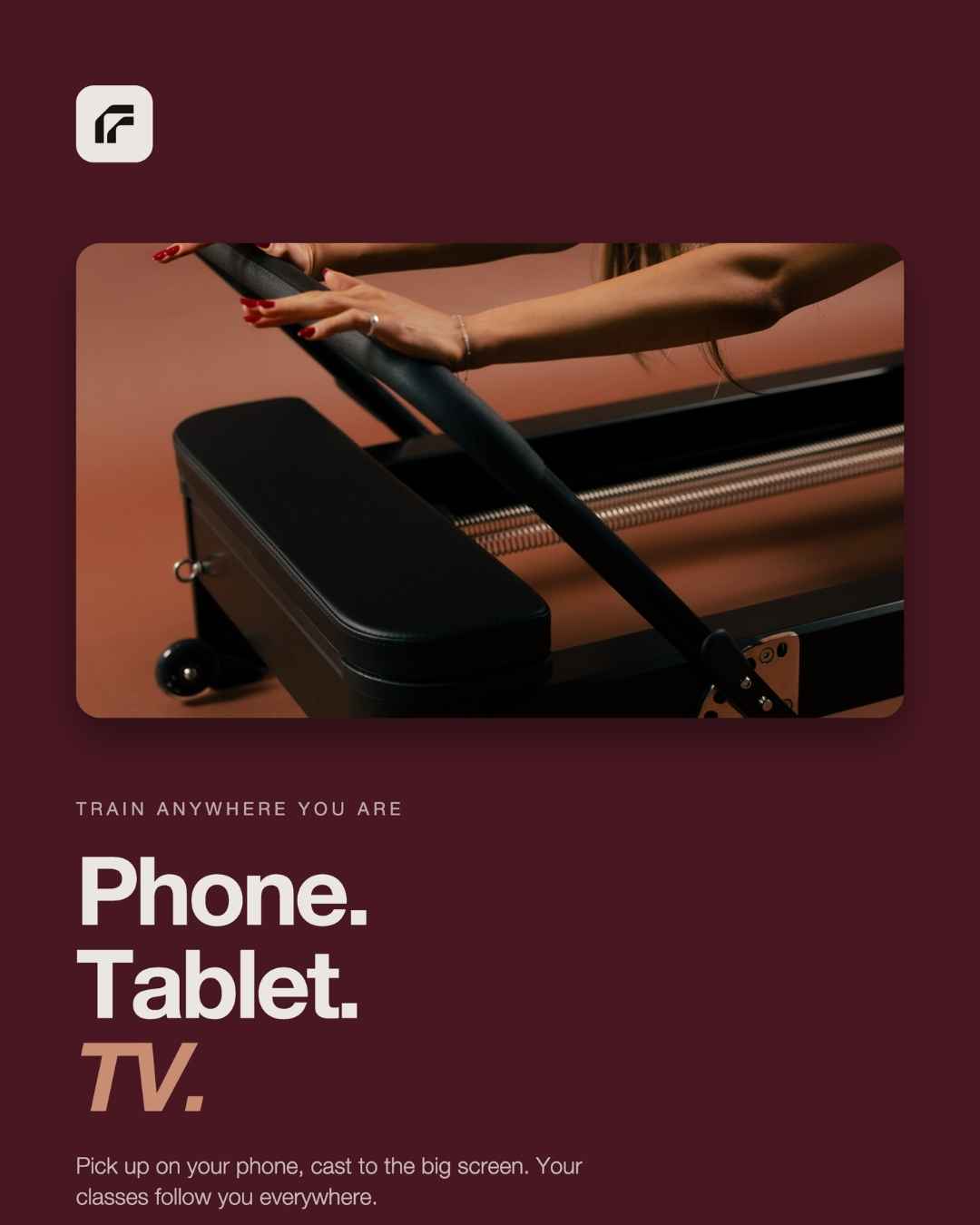
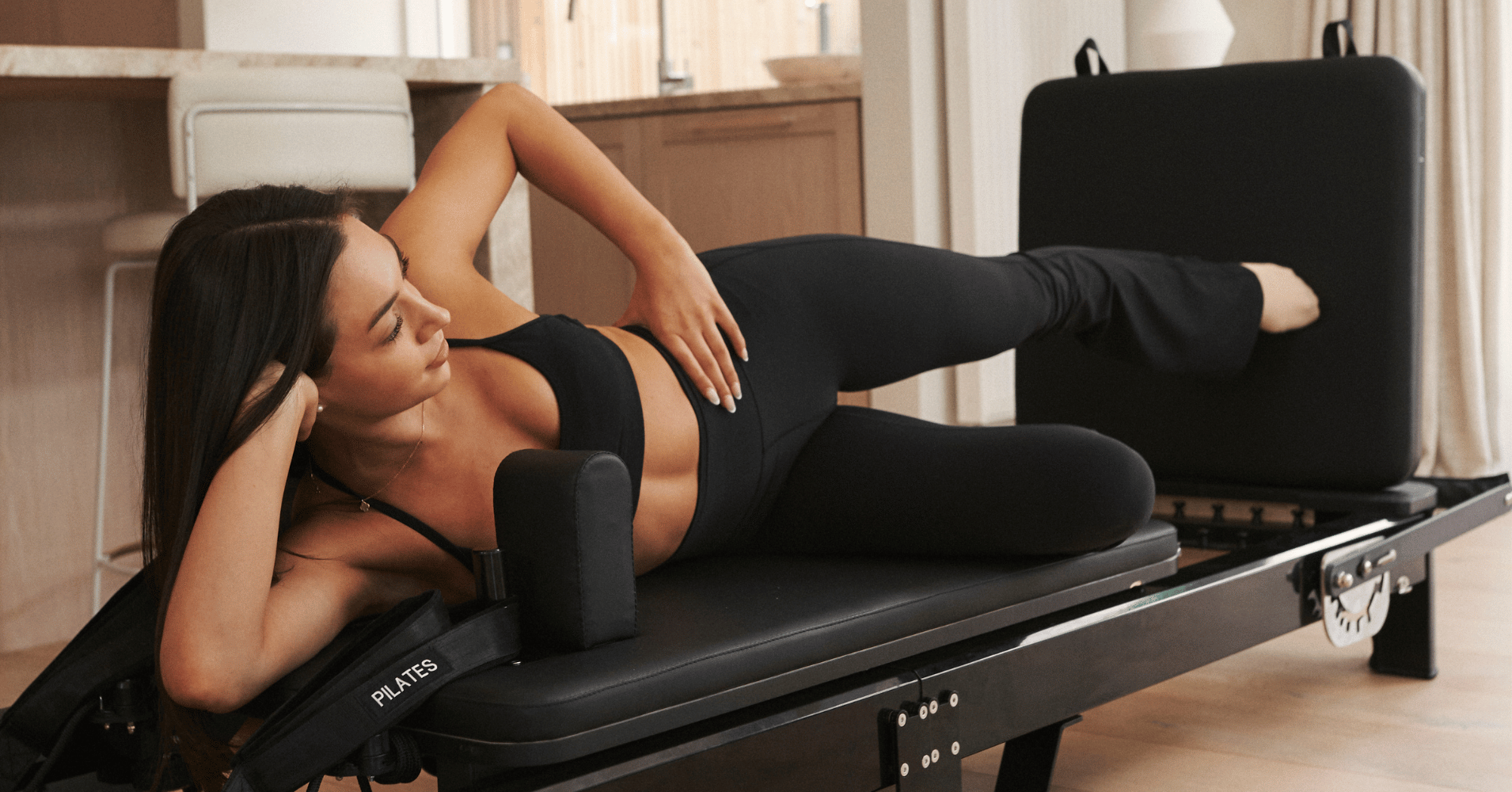
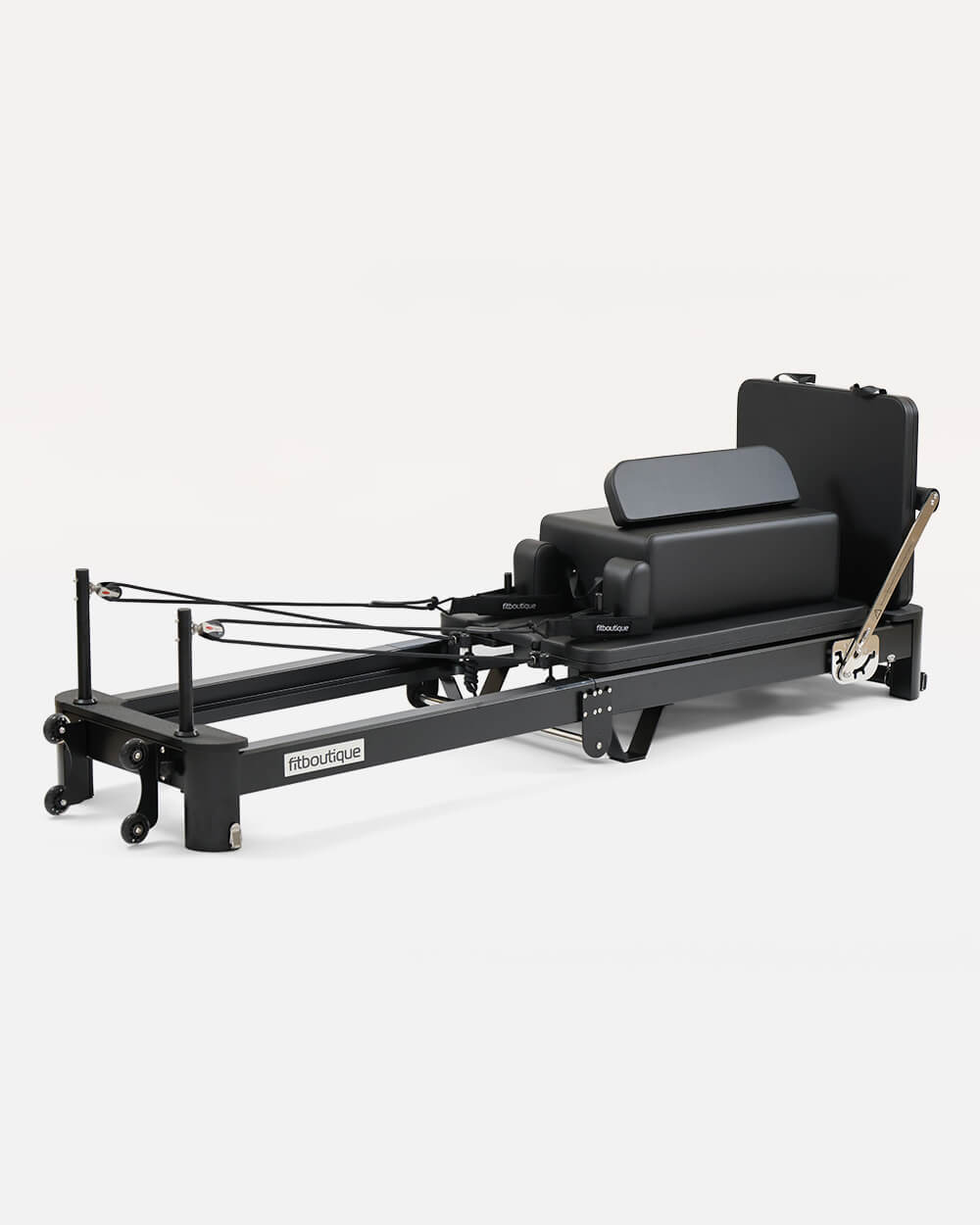
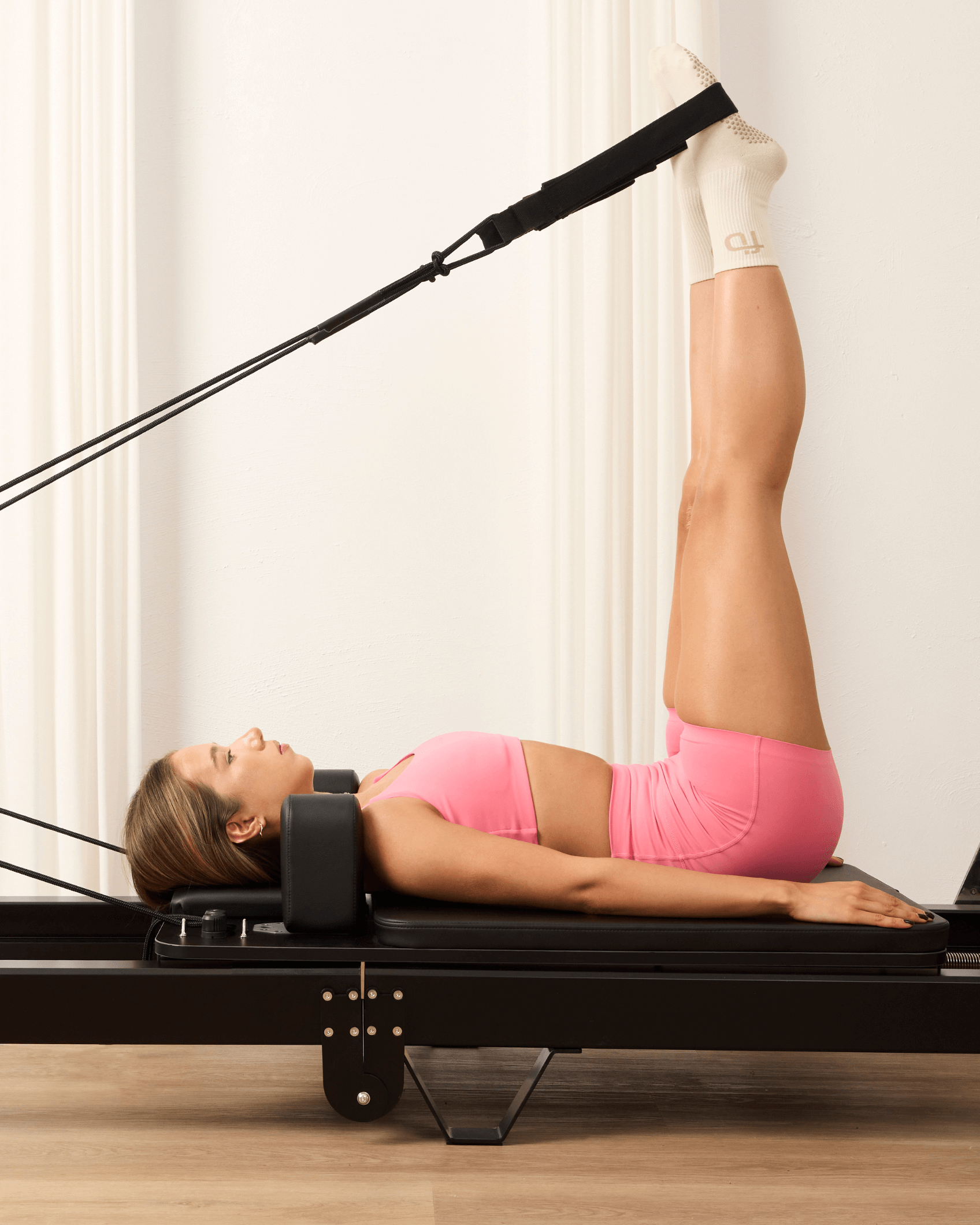
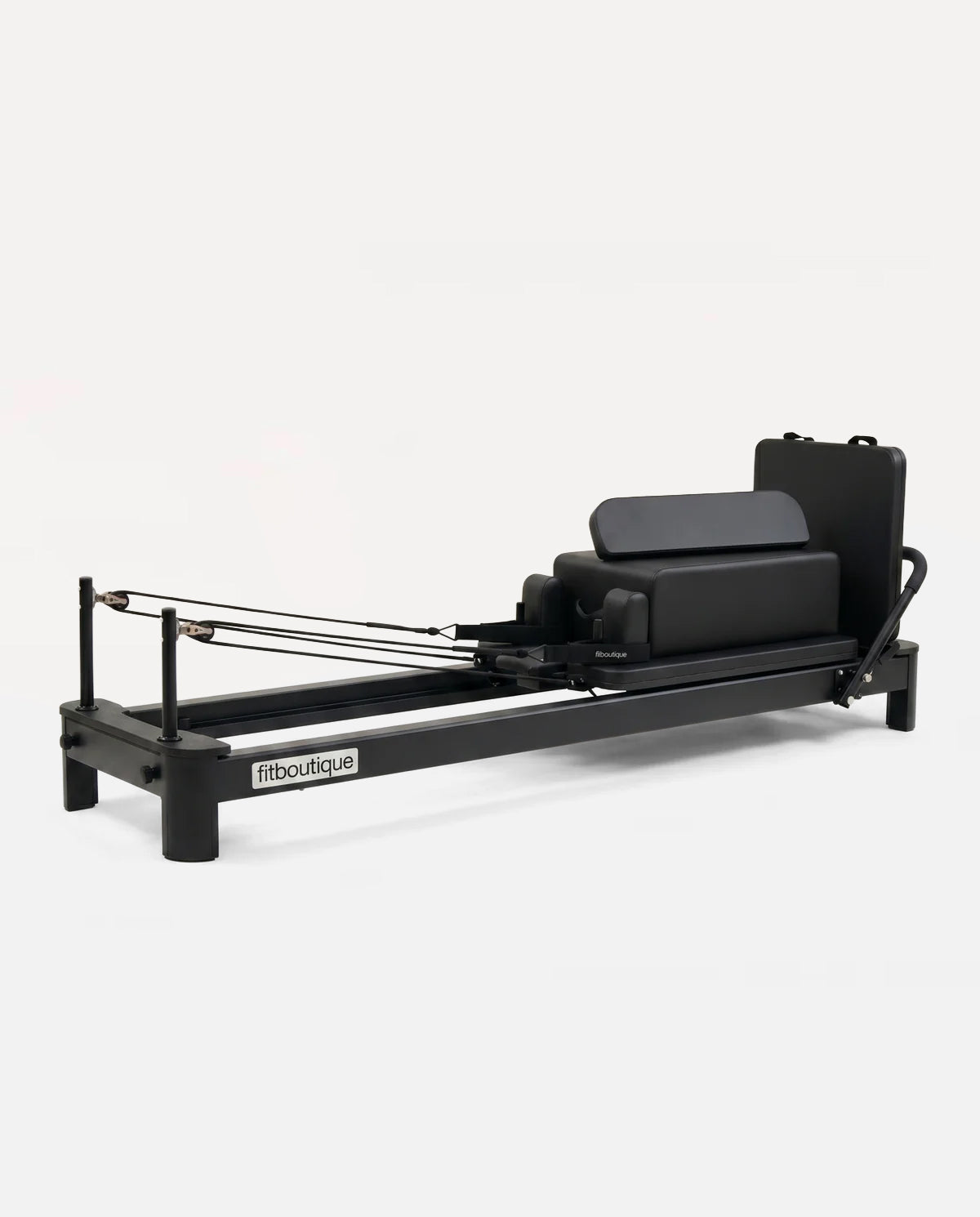
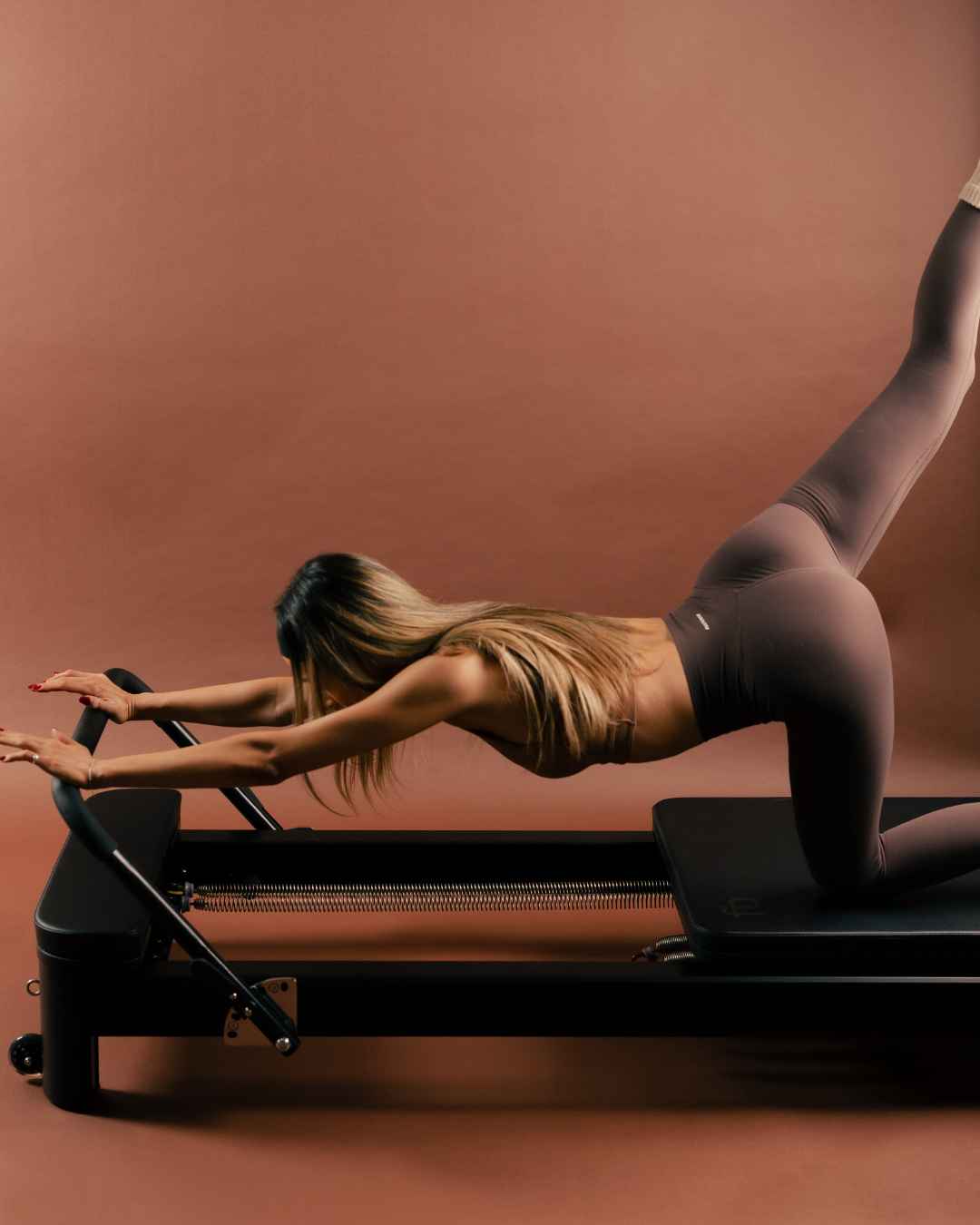
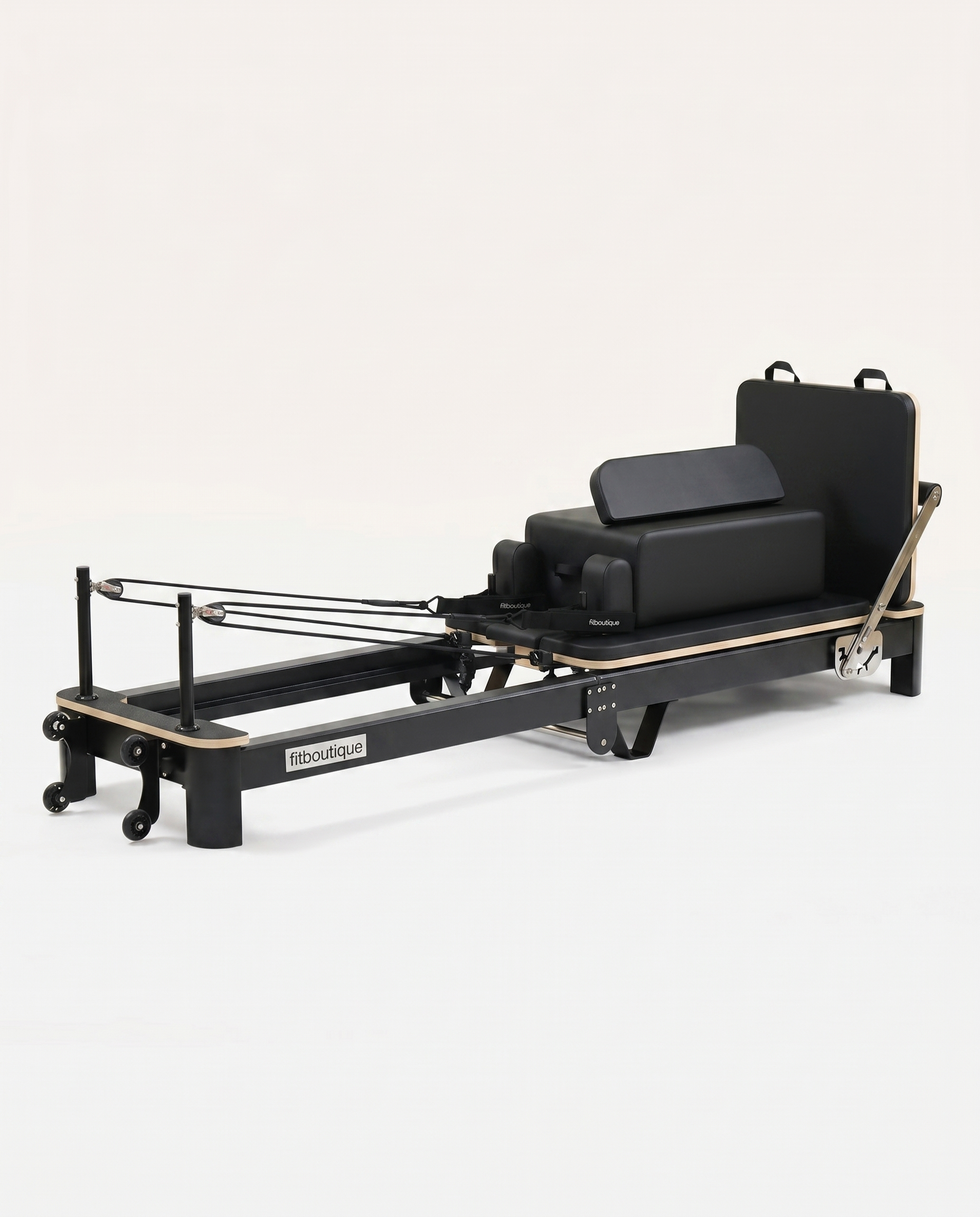
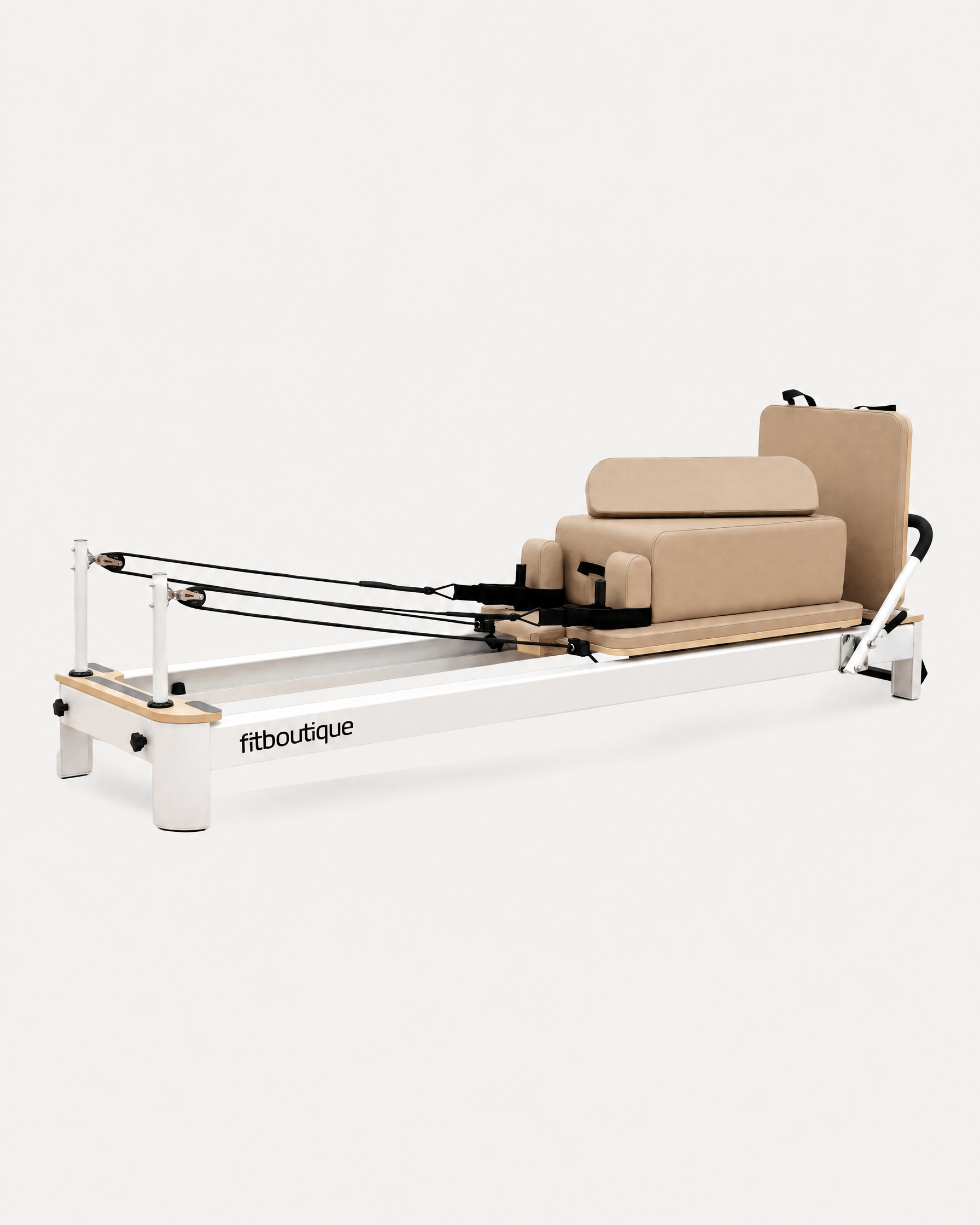
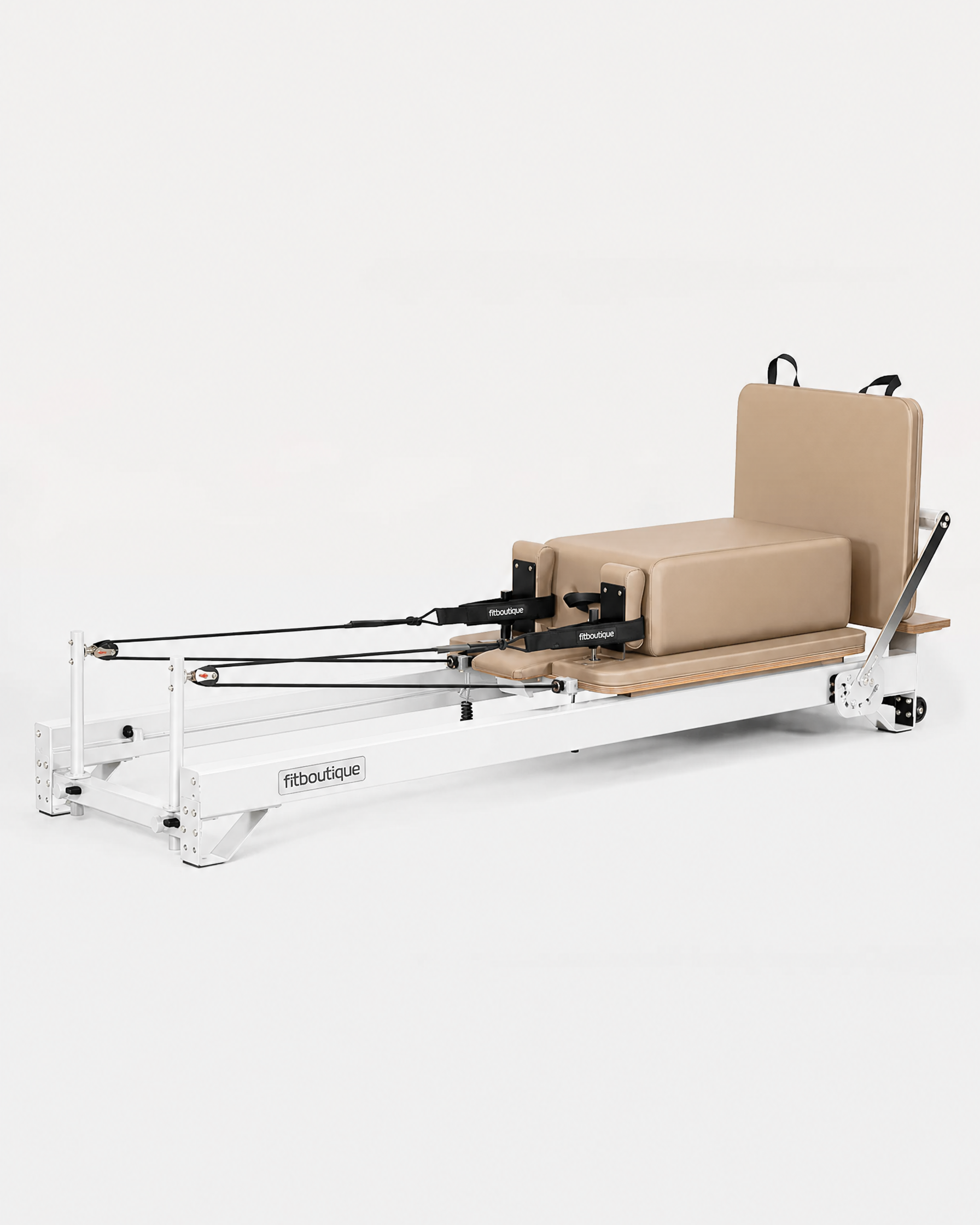
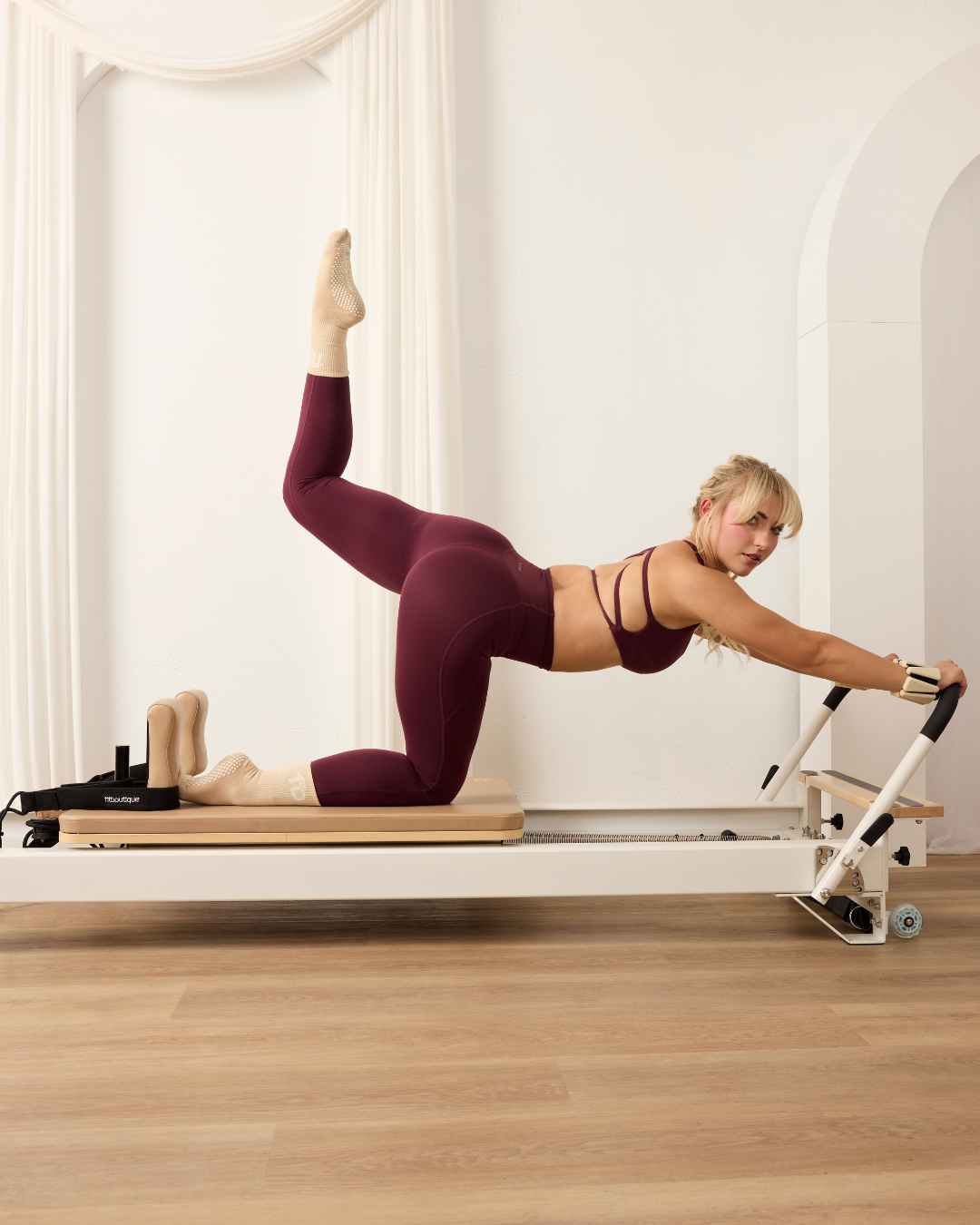
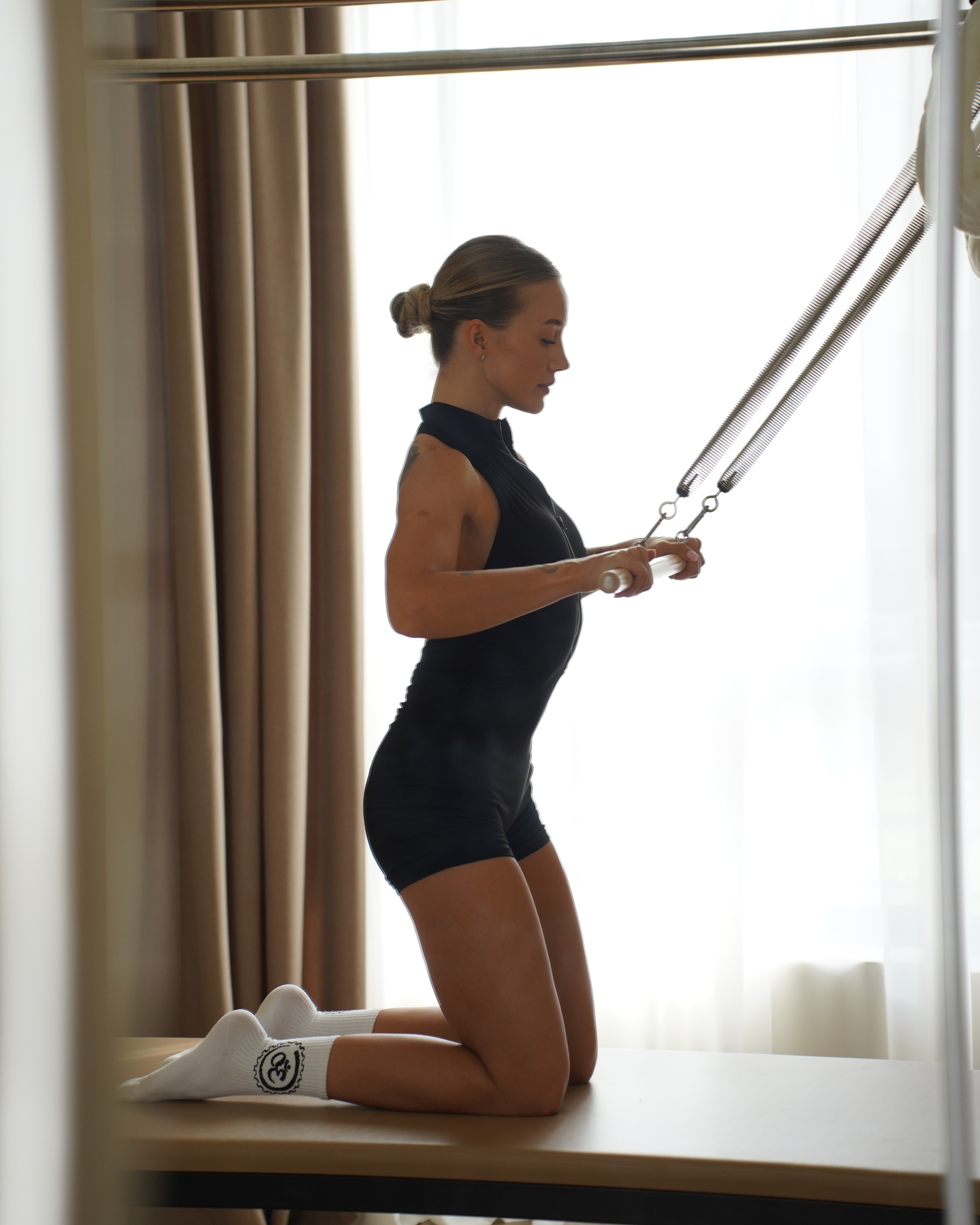
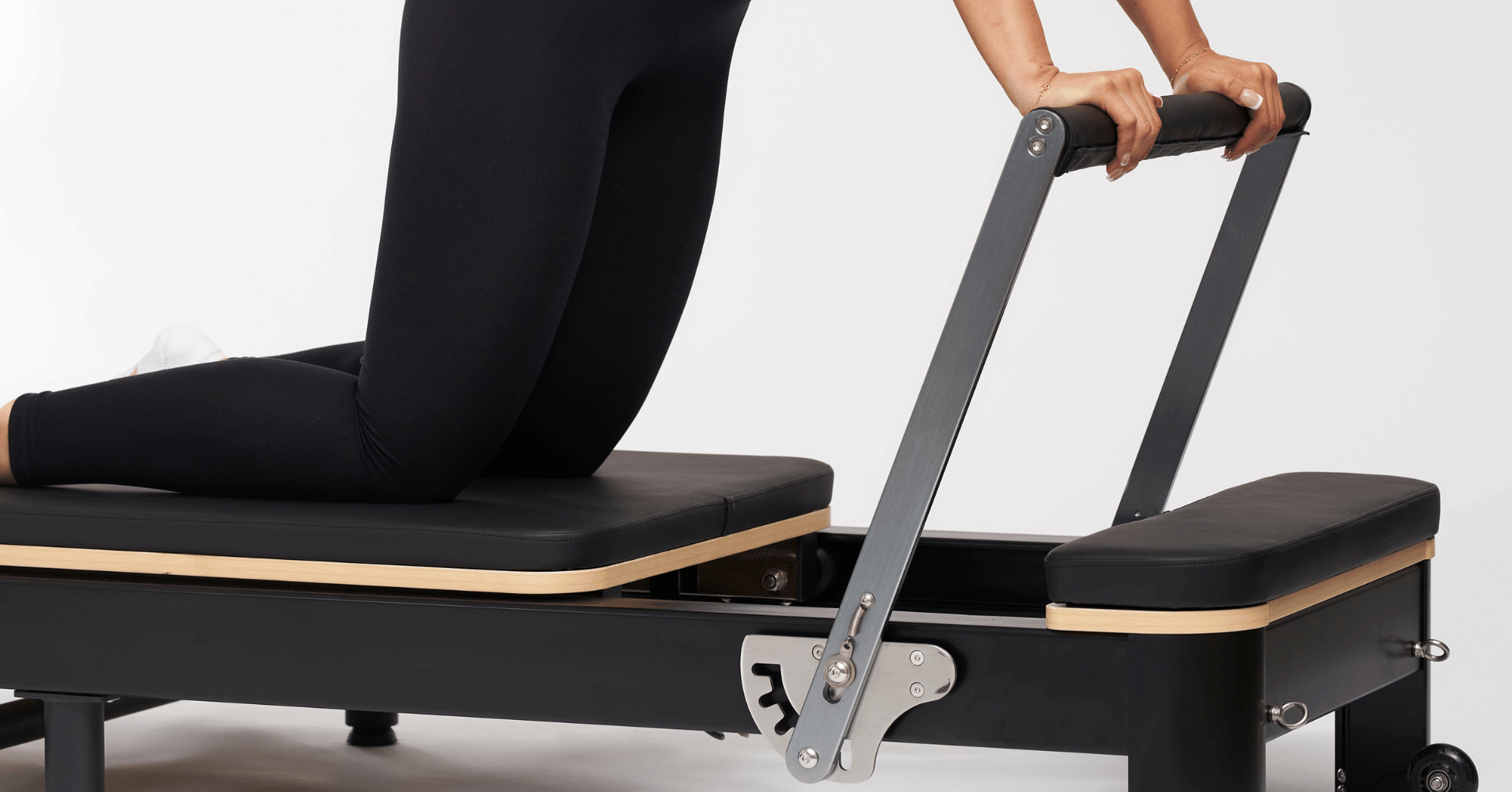
Pilates Reformer uses a specialised machine called a reformer, designed with springs, a sliding carriage, straps, and bars to provide controlled resistance. Unlike mat Pilates, the reformer supports the body while guiding movement, making it highly effective and beginner friendly.
For beginners, reformer Pilates focuses on:
- Building core strength safely
- Improving posture and alignment
- Low impact, joint friendly movement
- Structured, guided exercises often led by a Pilates instructor
Understanding Yoga
Yoga is a centuries old practice that combines movement, breathing, and mindfulness. It is typically performed on a mat using bodyweight alone, making it accessible and minimal in equipment.
For beginners, yoga focuses on:
- Flexibility and mobility
- Breath control and relaxation
- Mind body connection
- Balance and body awareness
Pilates Reformer vs Yoga: Key Differences for Beginners
Support and Structure
Pilates Reformer offers more physical support through equipment, which many beginners find reassuring. Yoga relies more on body awareness and balance from the start.
Strength vs Flexibility
Reformer Pilates places a strong emphasis on controlled strength, especially core and lower body. Yoga leans more towards flexibility, mobility, and relaxation, though strength improves over time.
Guidance and Progression
Reformer Pilates is often taught in a studio environment with close supervision from a Pilates instructor, making progression clear and measurable. Yoga allows more freedom but can feel less structured for beginners.
Home Practice
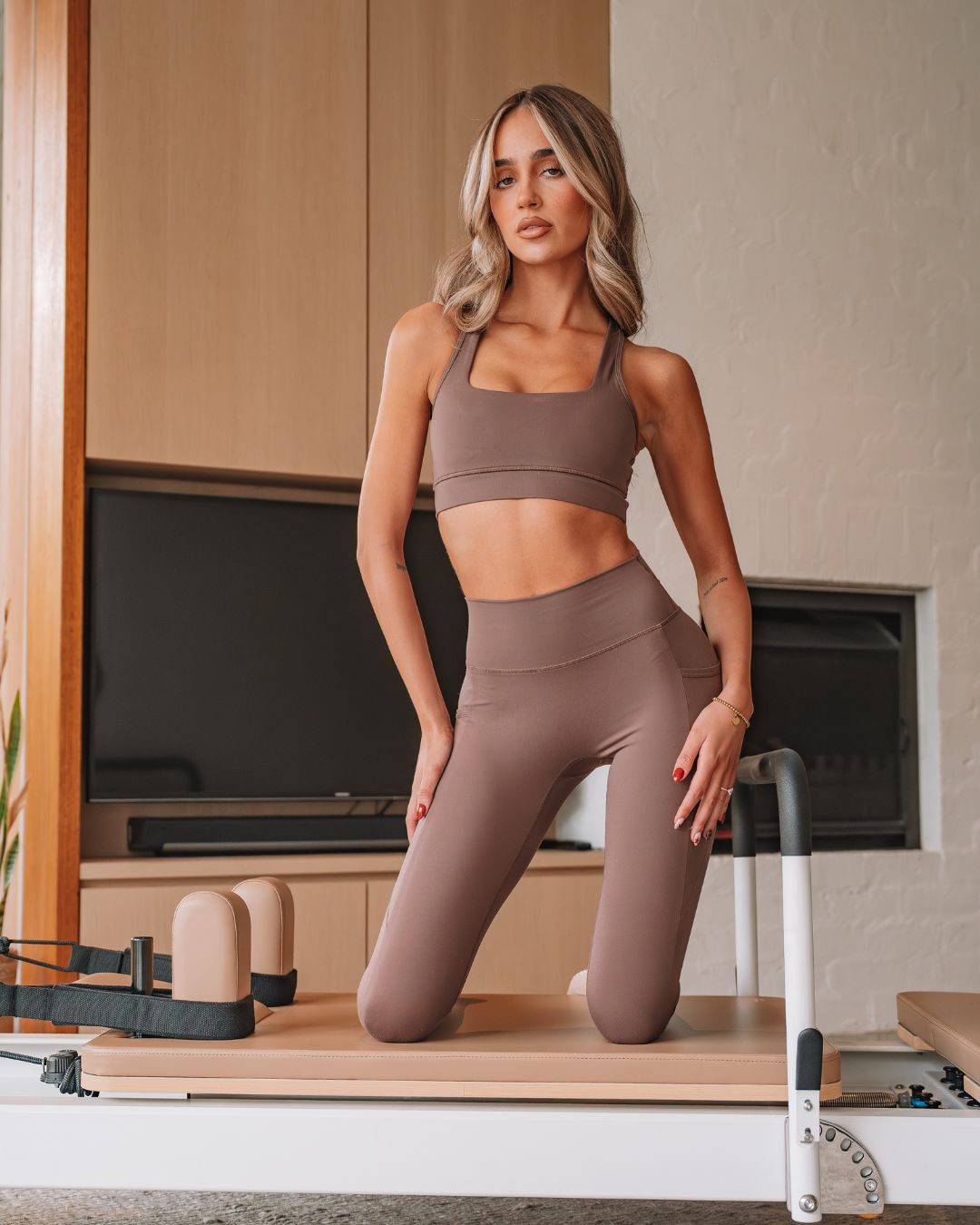
Yoga is easy to practise anywhere with a mat. However, more beginners are now investing in reformers for their home studio, enjoying the same studio quality workout with added convenience.
Which Is Better for Beginners?
There is no one size fits all answer. Pilates Reformer may be better for beginners who want clear guidance, faster strength improvements, and low impact workouts. Yoga may suit beginners who prefer flexibility focused movement, mindfulness, and minimal equipment. Many people combine both for a balanced routine.
Why Choose Pilates Reformer with FitBoutique
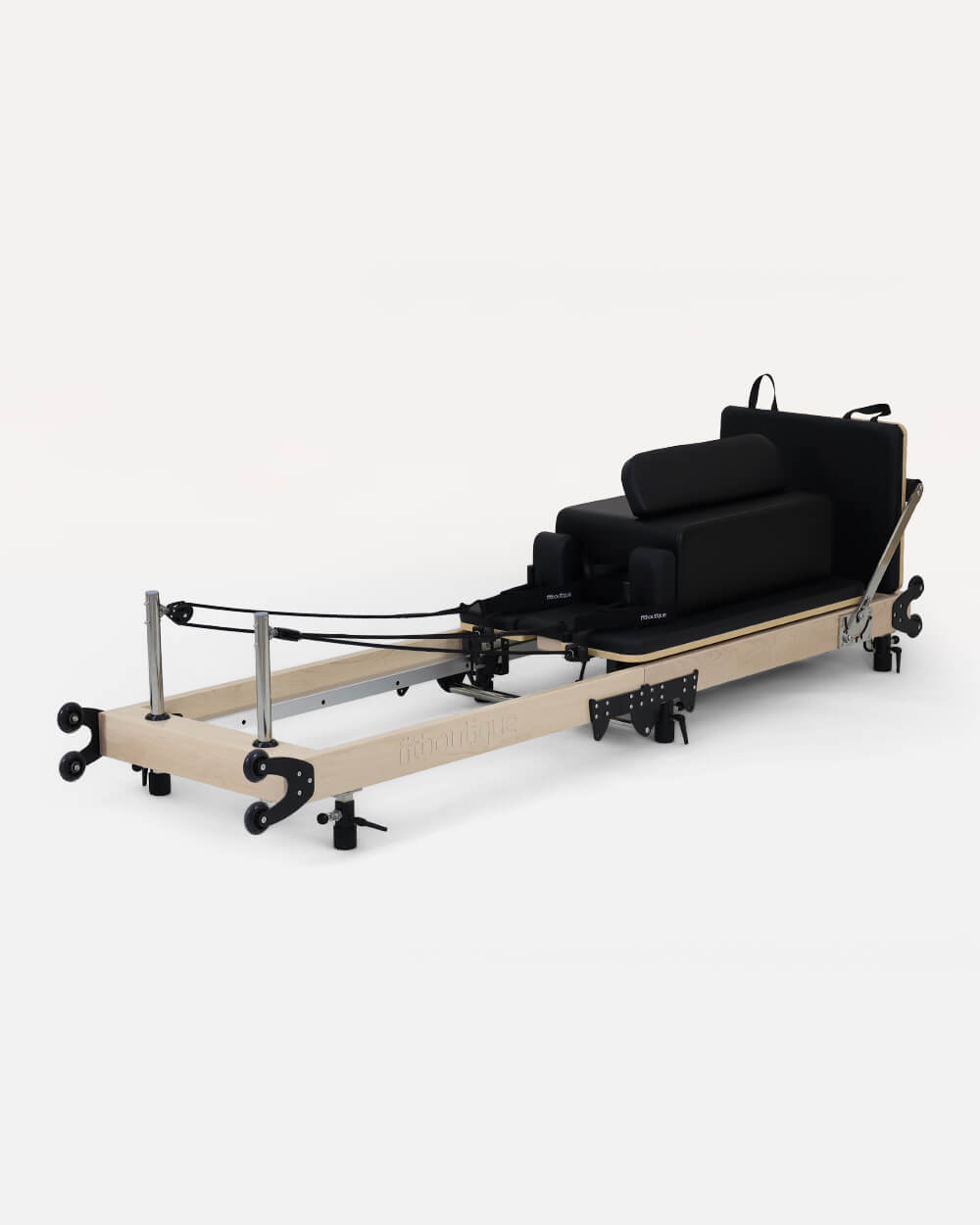
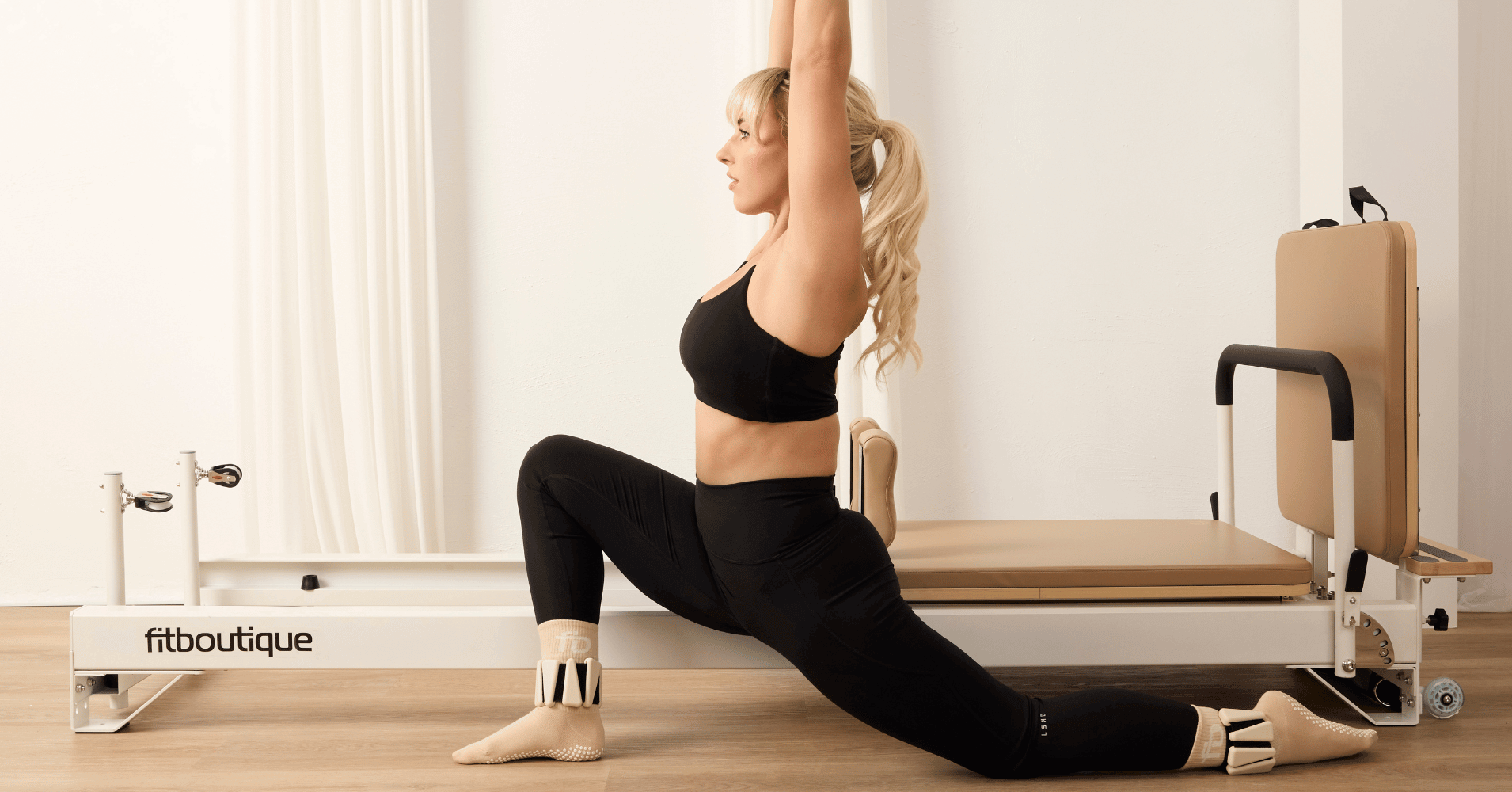
FitBoutique is an Australian owned brand specialising in premium, commercial grade reformer Pilates equipment designed for both studios and home use. Their reformers, including the Ivory Reformer and Onyx Reformer, are known for stability, comfort, and elegant design.
With free Australia wide delivery, flexible payment options, and a 4.79 average customer rating, FitBoutique makes it easier for beginners to start their Pilates journey with confidence.
Final Thoughts
Both Pilates Reformer and yoga are excellent choices for beginners. The right option depends on your goals, learning style, and environment. If you value structure, support, and measurable strength gains, Pilates Reformer is a powerful place to start.

Written by Ayrah Yuso
I'm part of the FitBoutique team and have a solid passion (and love) for all things exercise related, including Reformer Pilates















Leave a comment