




Legal Requirements for Opening a Pilates Studio
Opening a Pilates studio isn’t just about finding a space and buying a Reformer Machine. In Australia, there are legal steps you can’t skip if you want your studio to run smoothly and avoid headaches later.
Here’s what you need to know before opening your doors.
1. Register Your Business
Before anything else, you’ll need to legally register your Pilates studio.
-
Choose a structure – sole trader, partnership, or company. Many new studio owners start as sole traders, but companies offer extra protection.
-
Register for an ABN – essential for invoicing and tax purposes.
-
Business name – register it with ASIC if it’s different from your own name.
💡 Tip: Make sure your studio name reflects your brand identity and isn’t already trademarked.
2. Secure the Right Permits and Licences
Check with your local council for zoning and permit requirements.
-
Council approval – some councils need you to apply for a permit if you’re operating in a commercial space.
-
Building compliance – studios must meet Australian safety and accessibility standards.
If you plan to play music, you might also need an APRA AMCOS licence for music rights.
3. Get Proper Insurance
Insurance is non-negotiable for any fitness business.
-
Public liability insurance – protects you if someone is injured at your studio.
-
Professional indemnity insurance – covers claims related to advice or instruction you provide.
-
Workers’ compensation – mandatory if you hire instructors or staff.
Without insurance, one accident could wipe out your business.
4. Meet Health and Safety Standards
Your studio has to comply with Work Health and Safety (WHS) laws.
-
Clear signage for emergency exits
-
Non-slip flooring around the Reformer Machine area
-
Regular maintenance checks on all Pilates equipment
-
First aid kit and trained staff on-site
Clients will notice when you take safety seriously – and regulators will too.
5. Hire Qualified Instructors
In Australia, Pilates instructors should hold a Certificate IV in Pilates or an equivalent recognised qualification.
Studios that employ under-qualified trainers risk legal issues and damage to their reputation.
6. Choose Equipment That Meets Standards
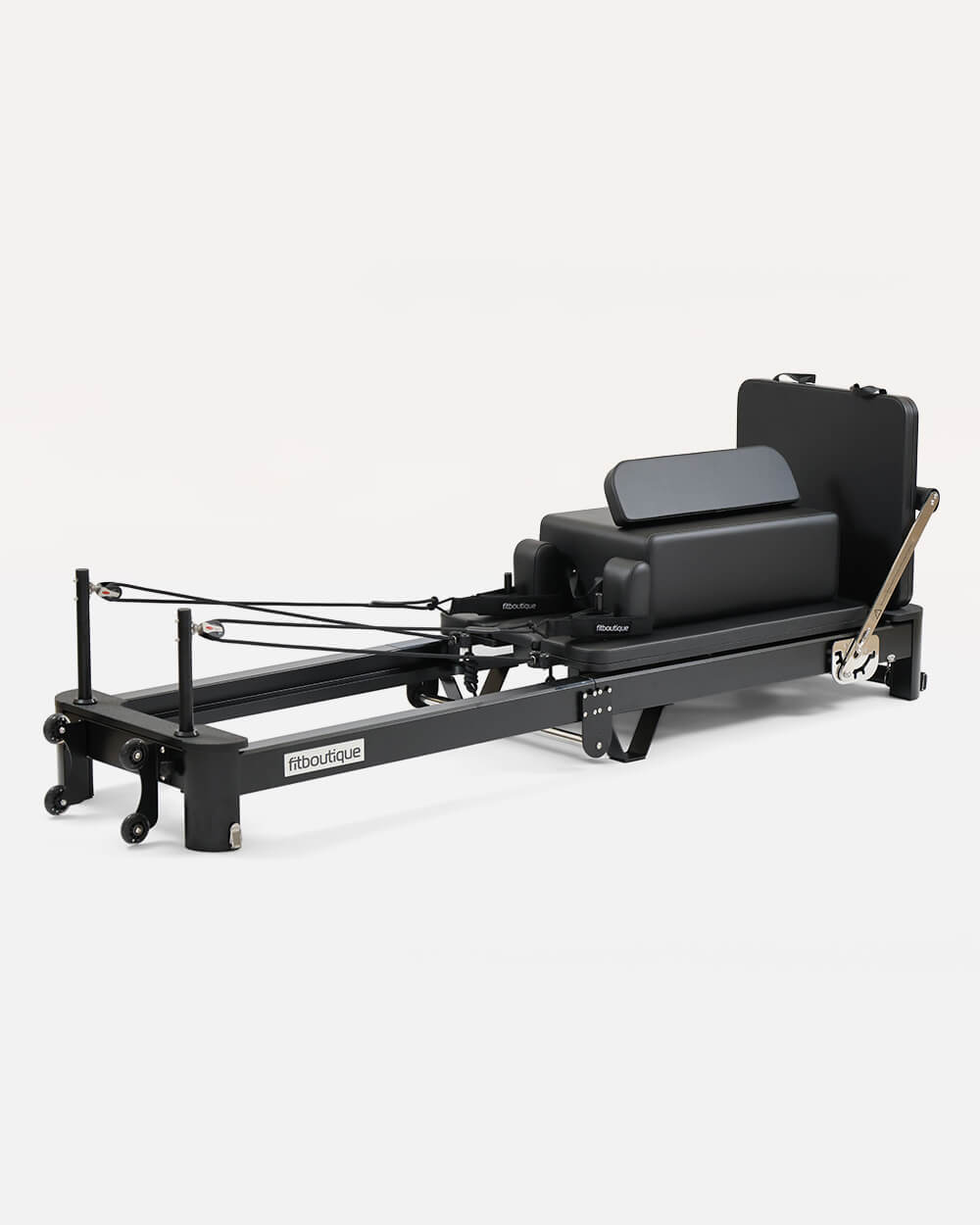
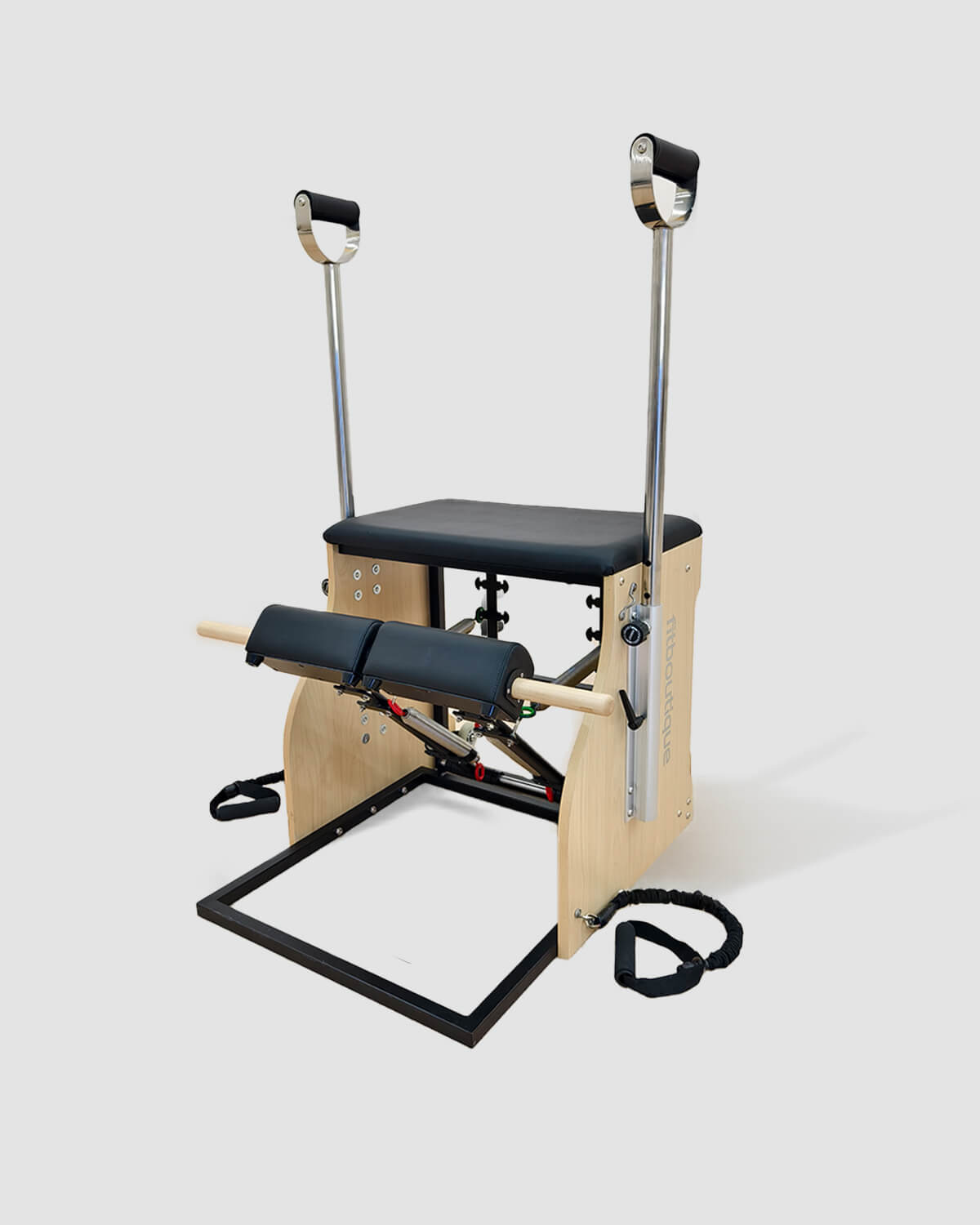
Investing in high-quality Pilates gear isn’t just about aesthetics – it’s a legal and safety requirement.
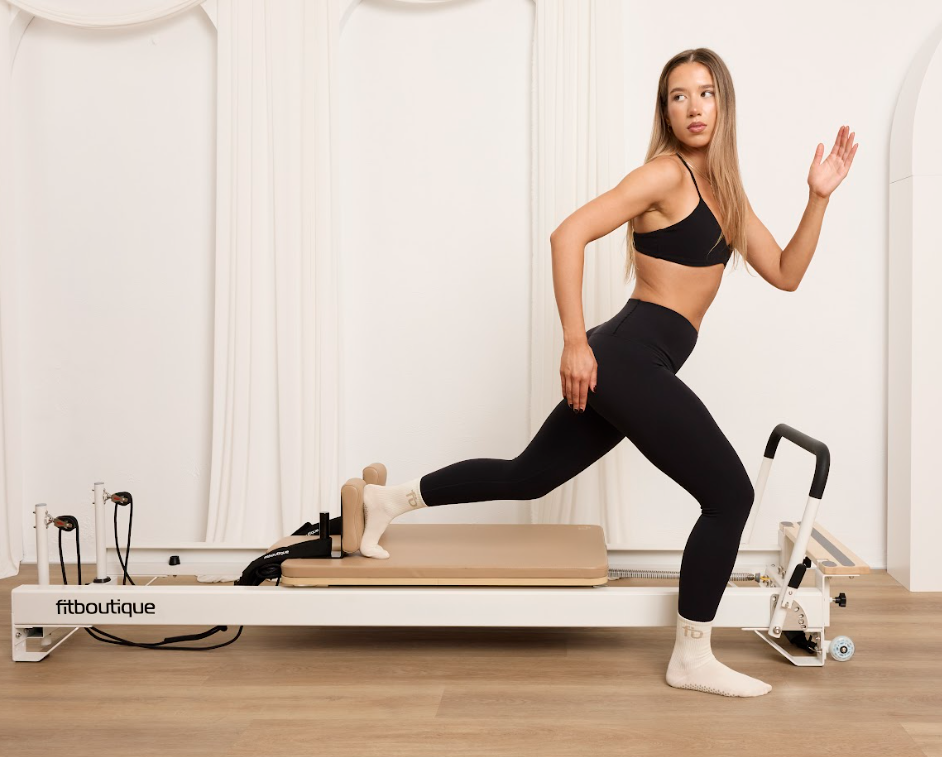
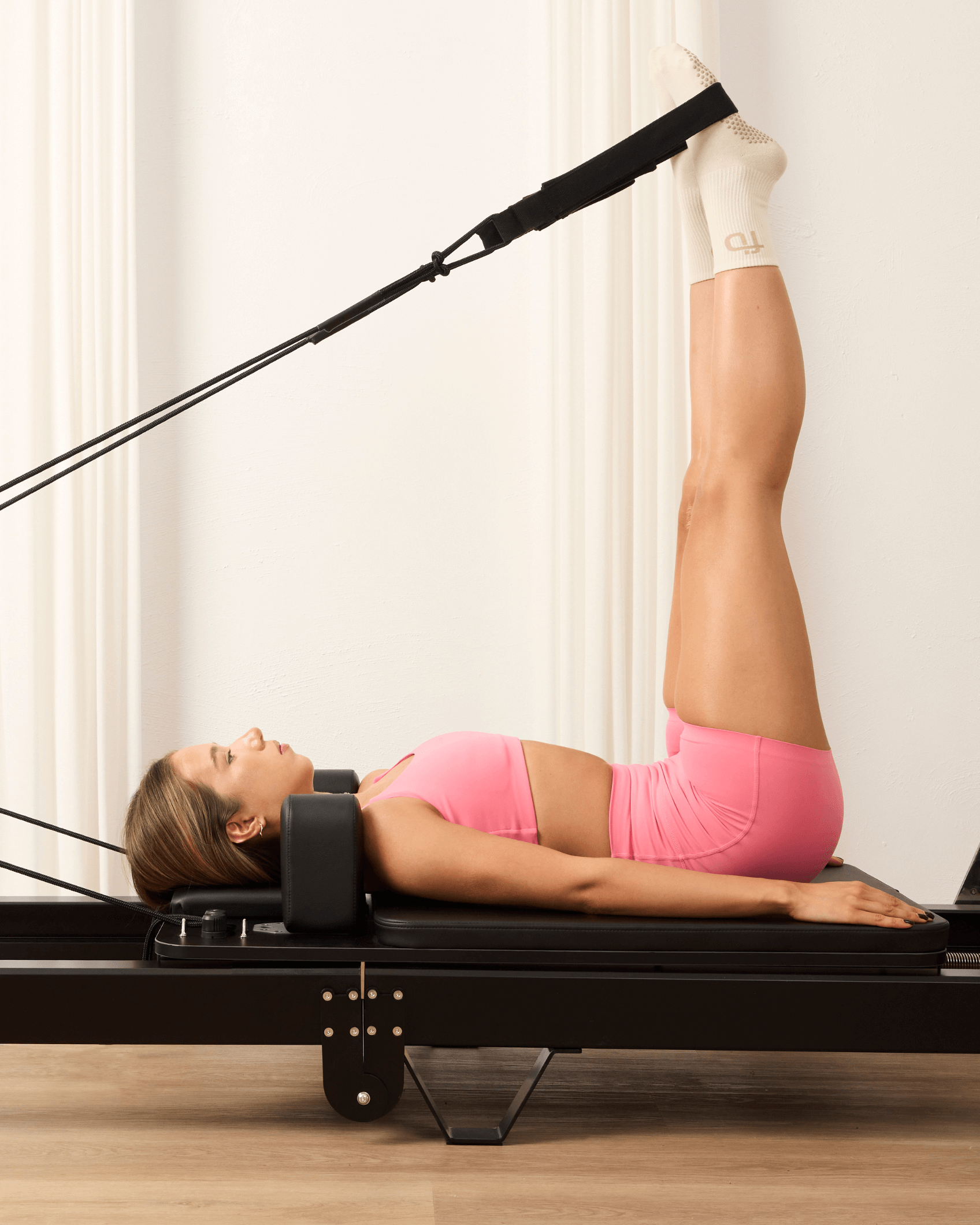
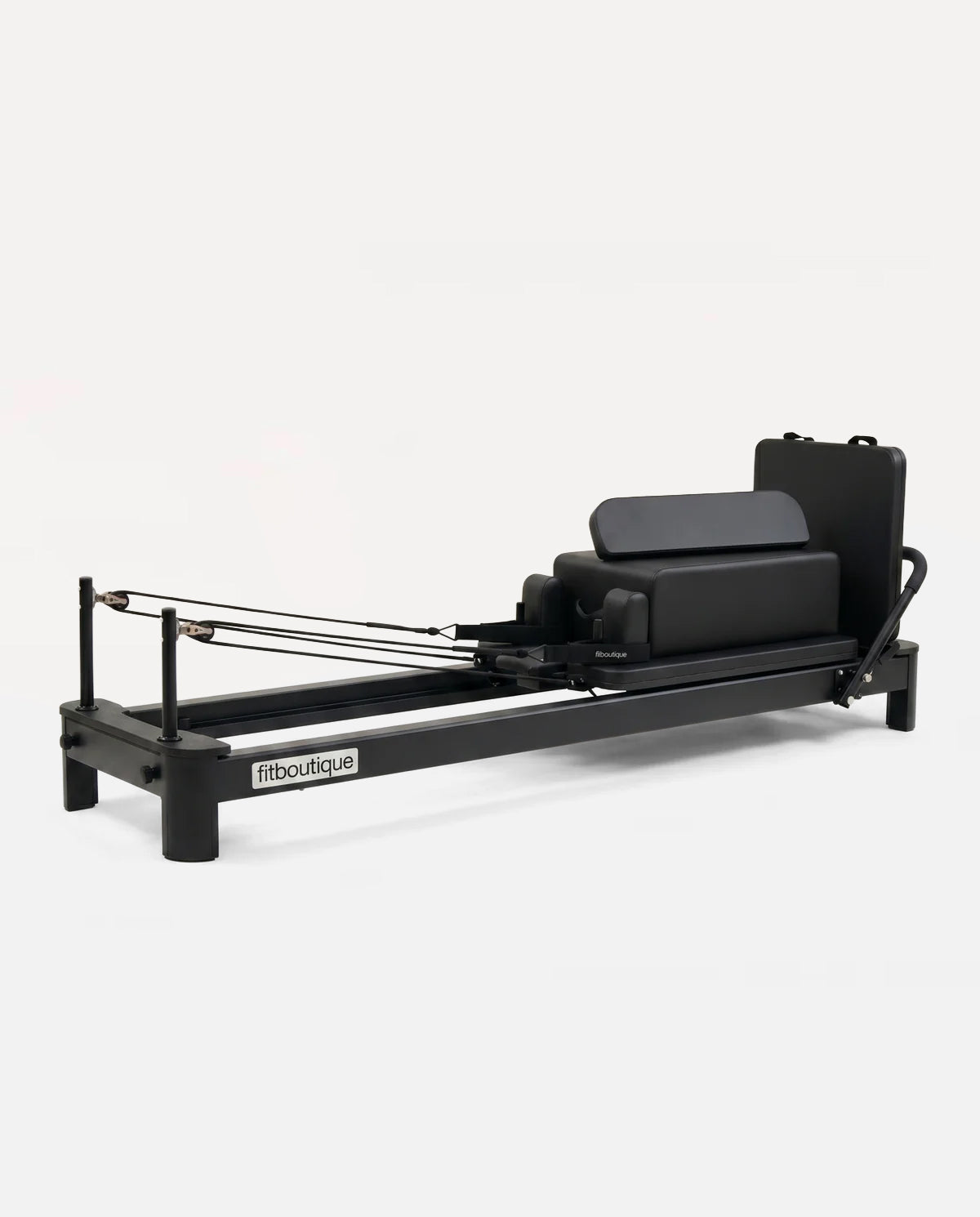
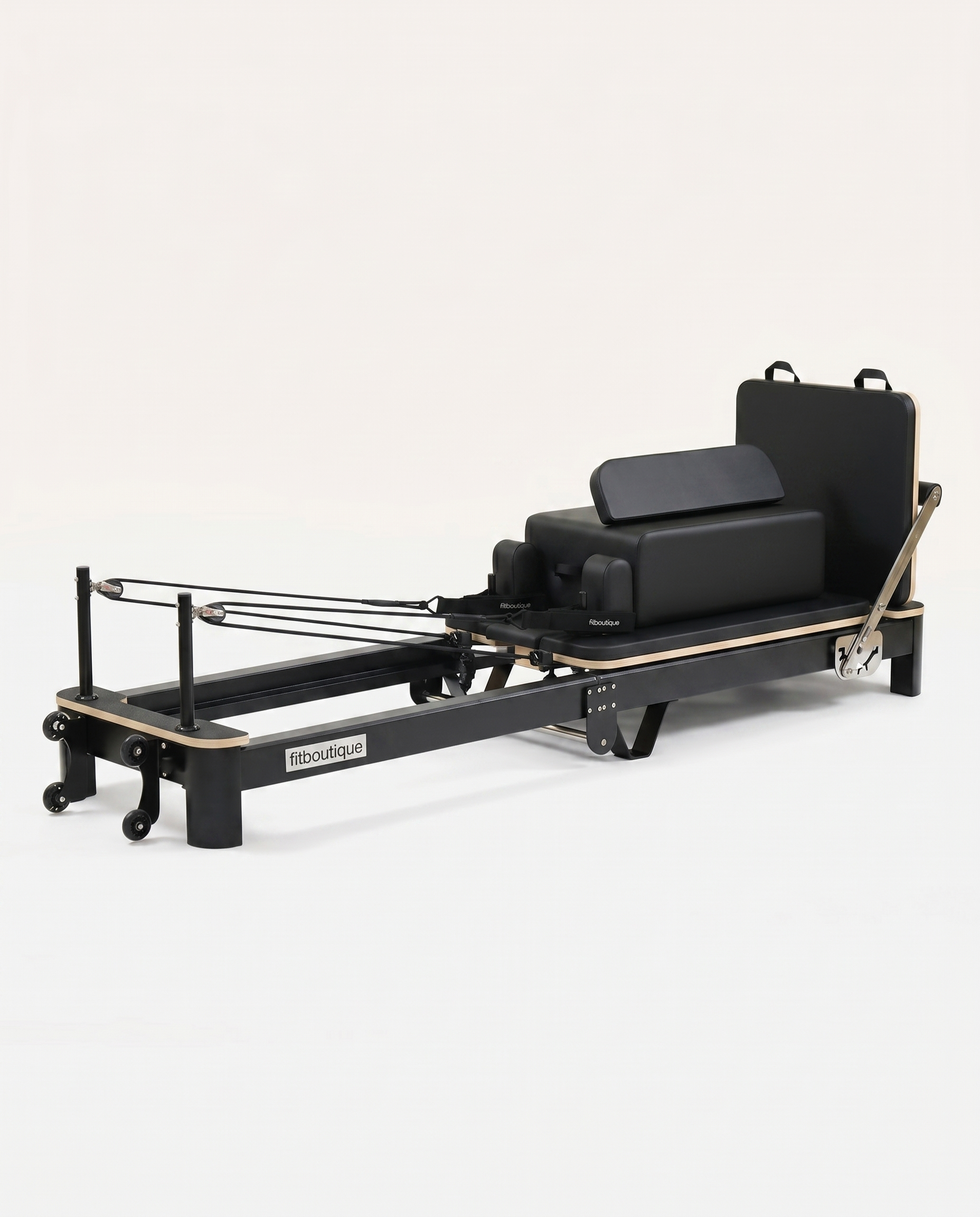
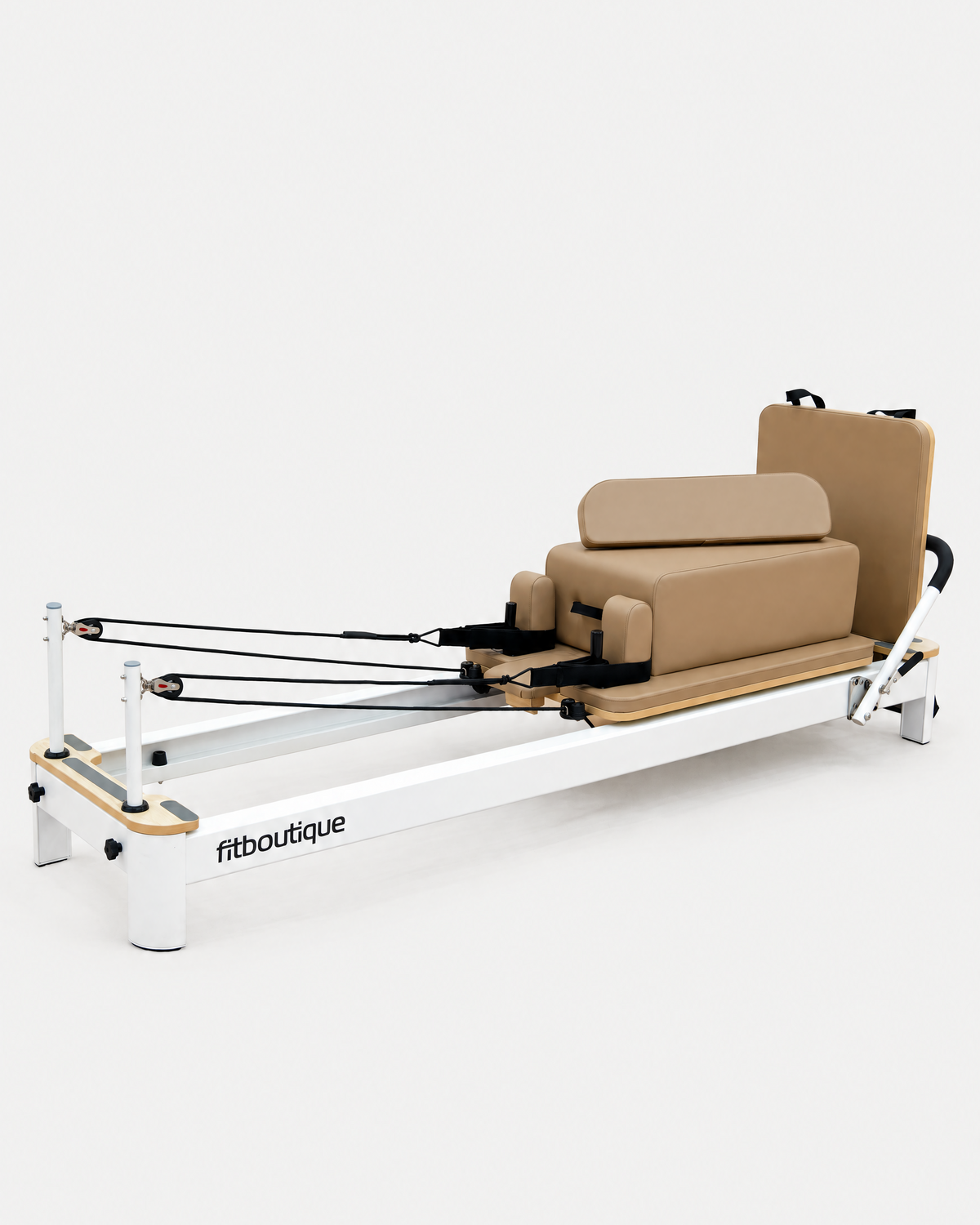
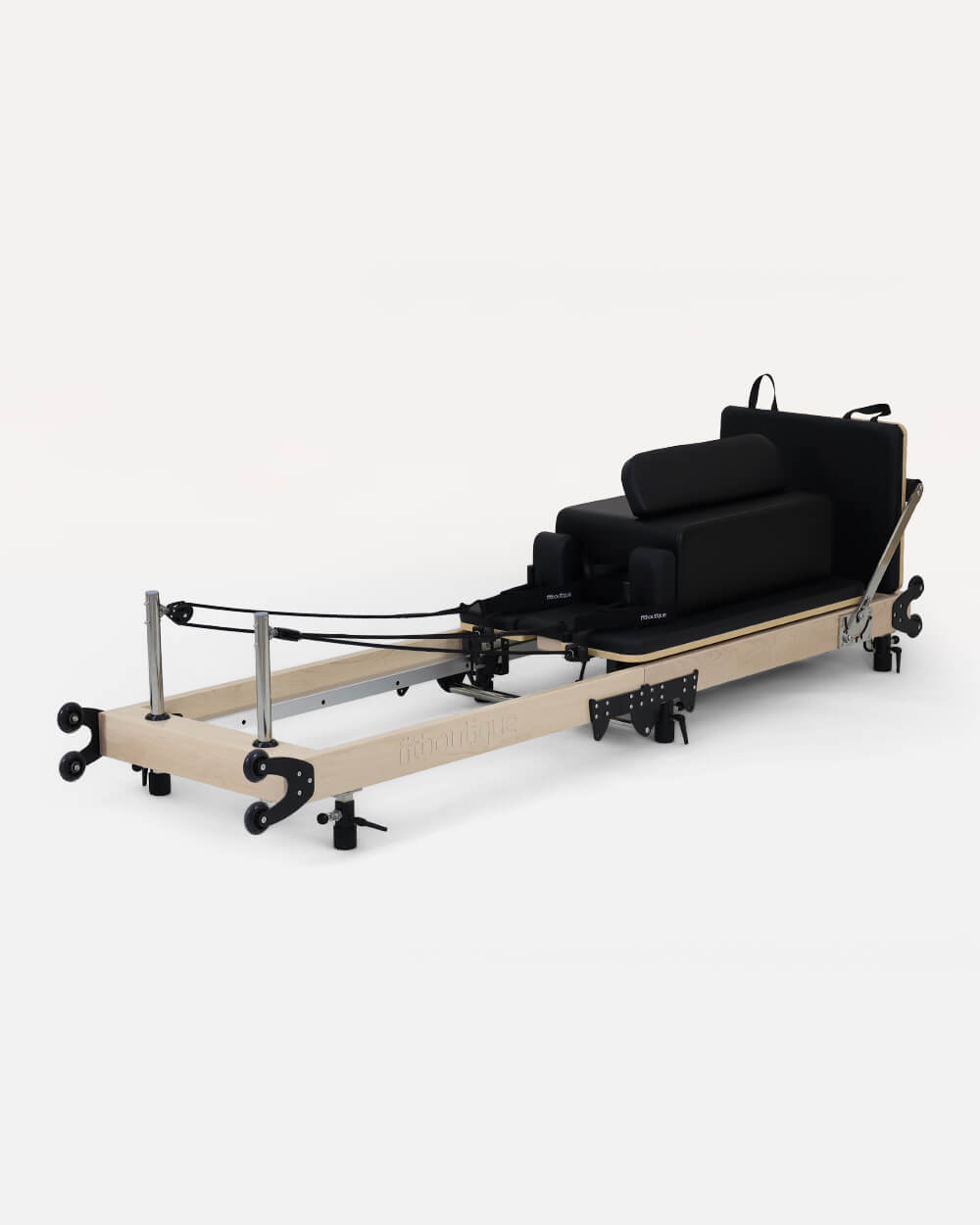
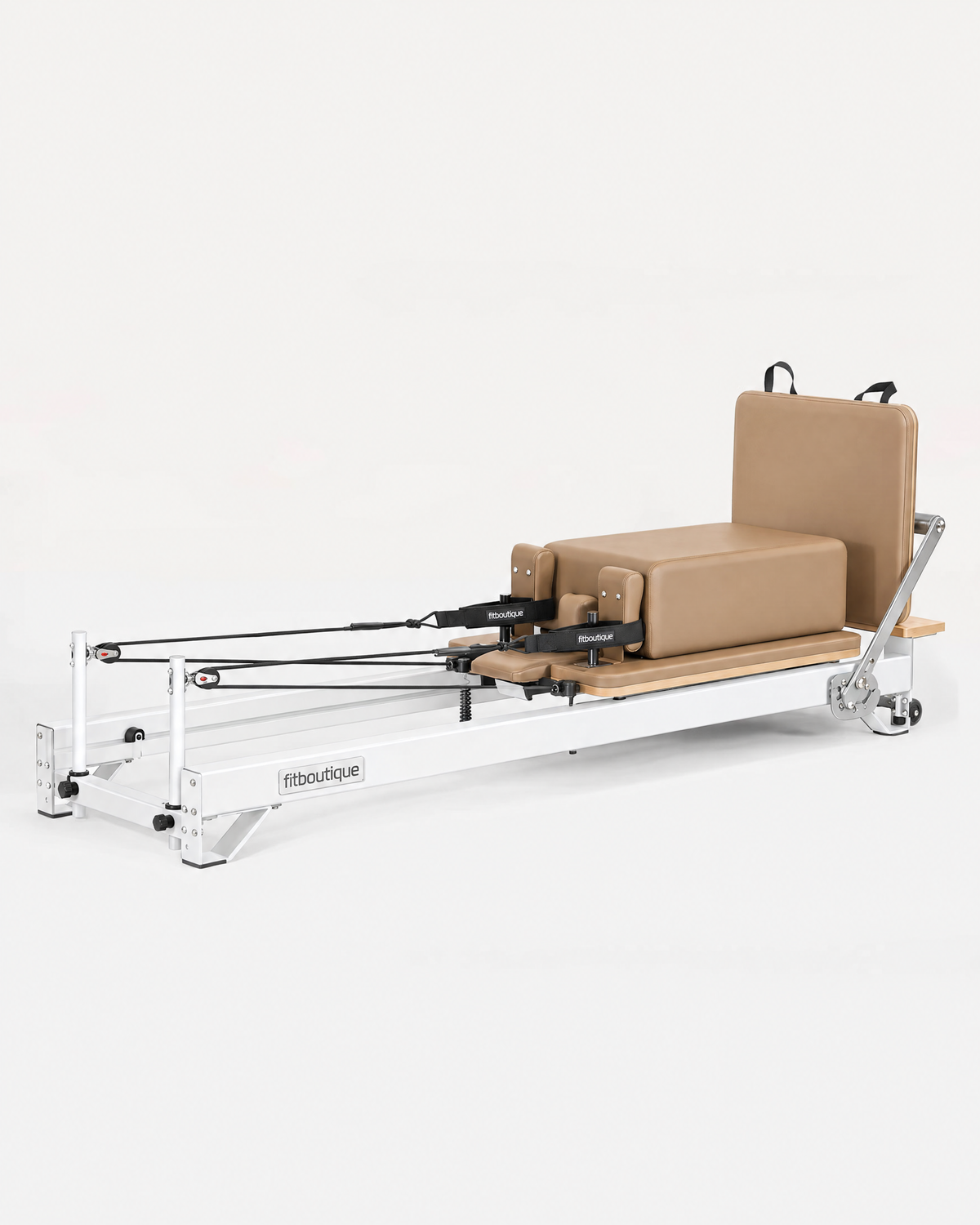
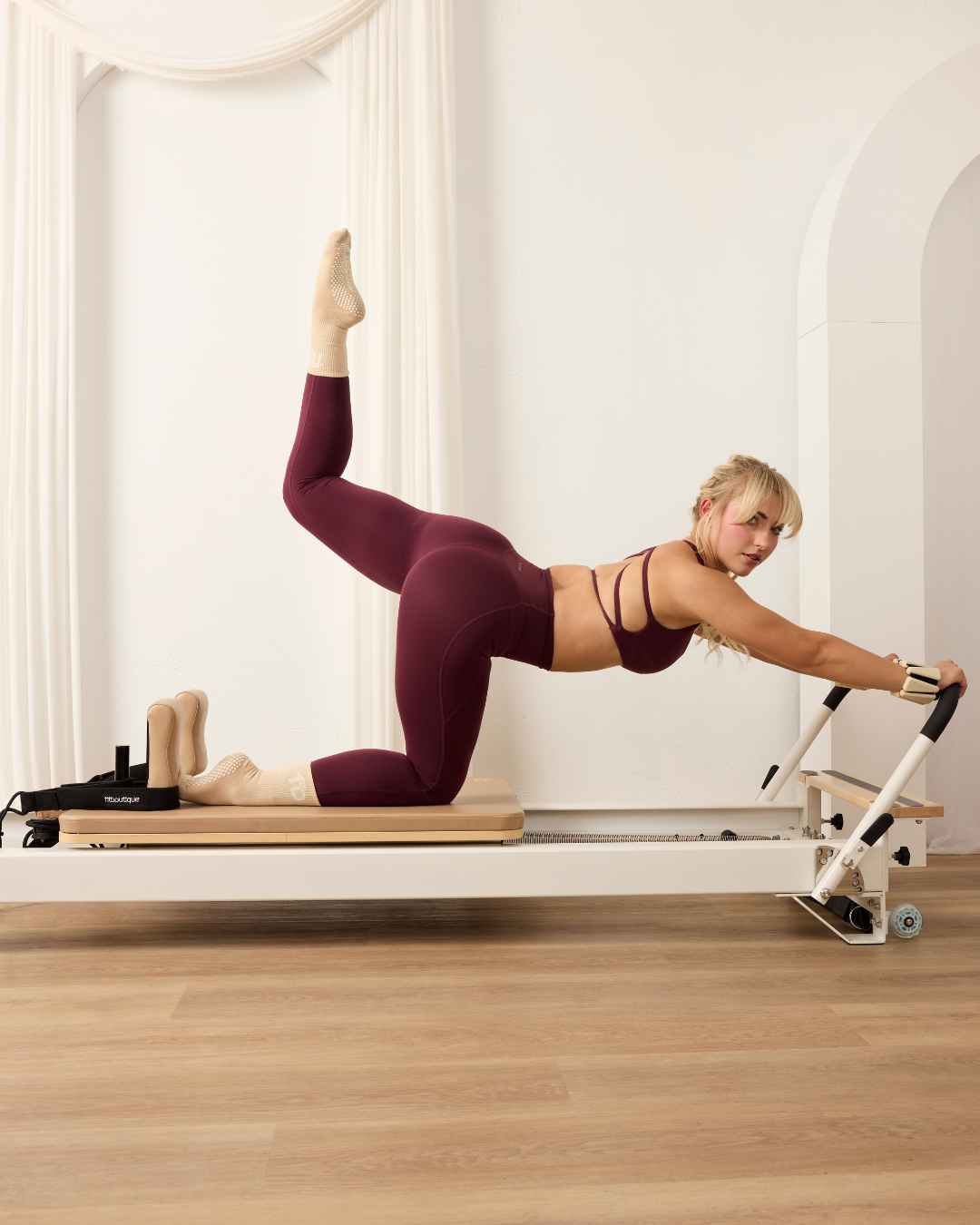
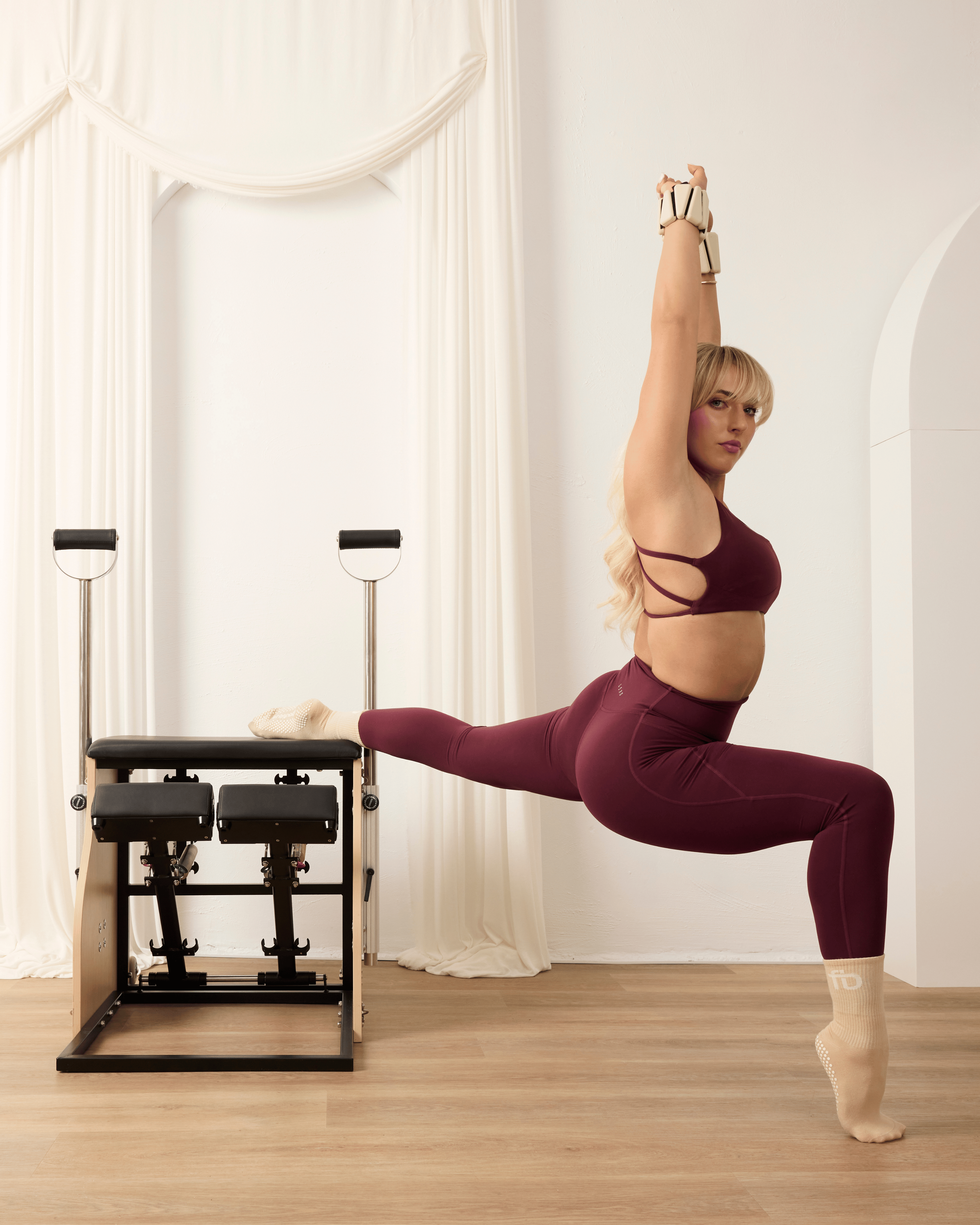
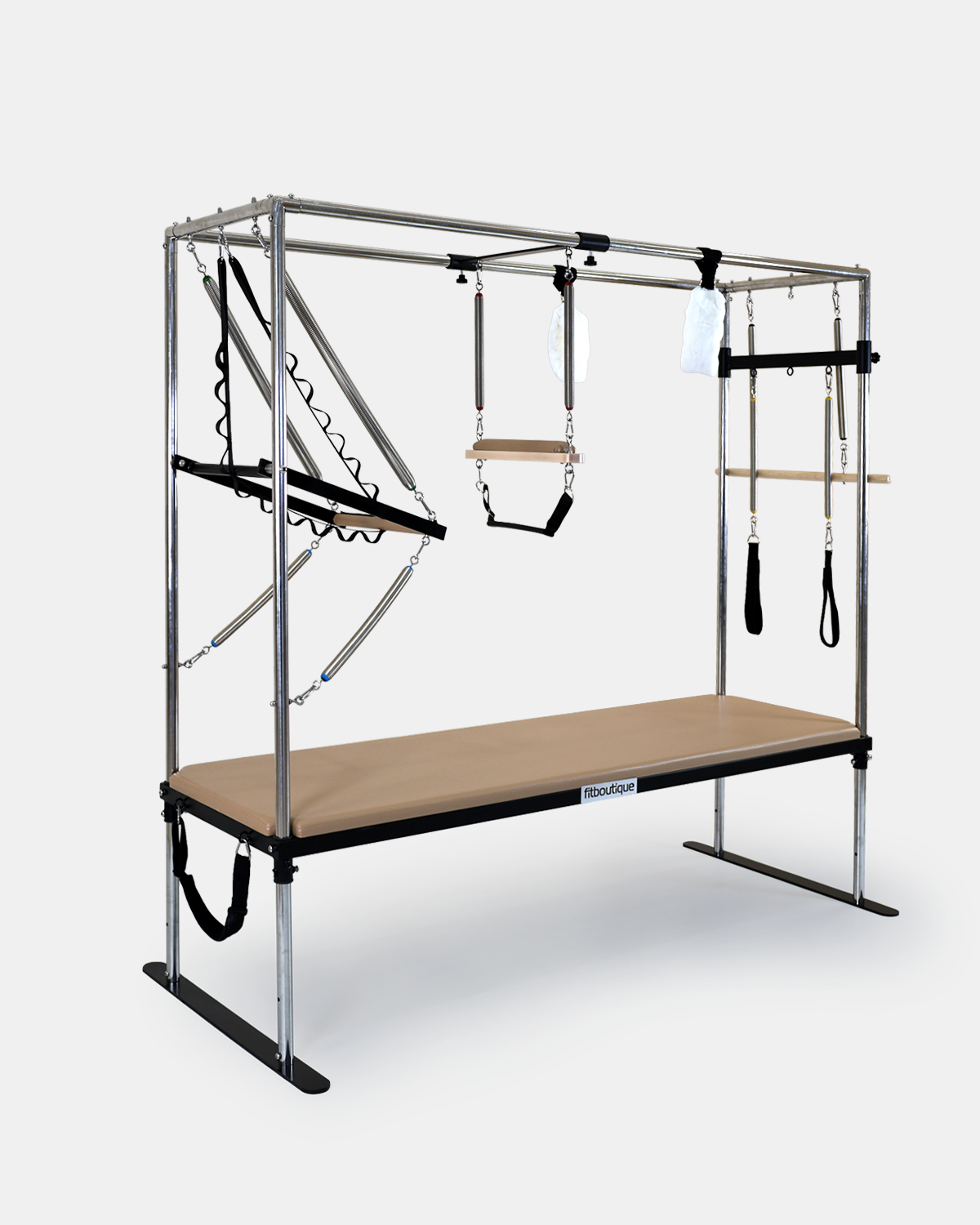
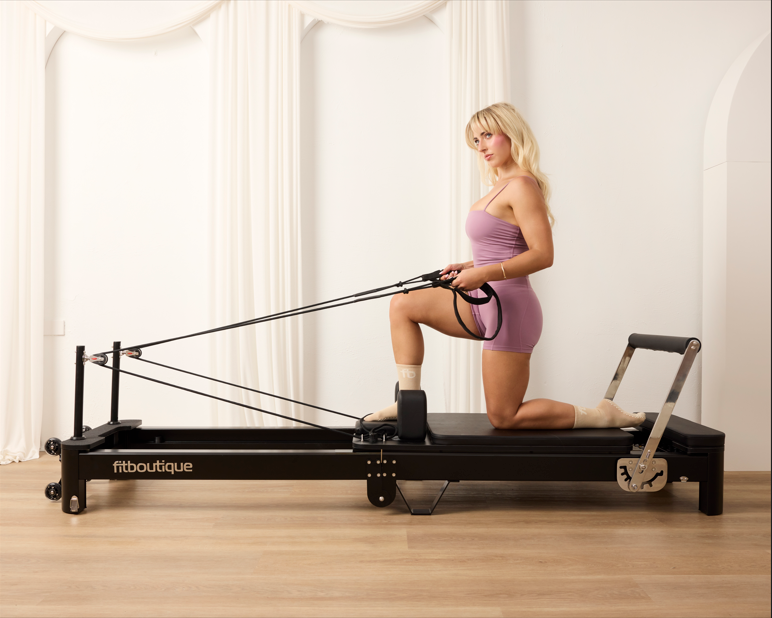
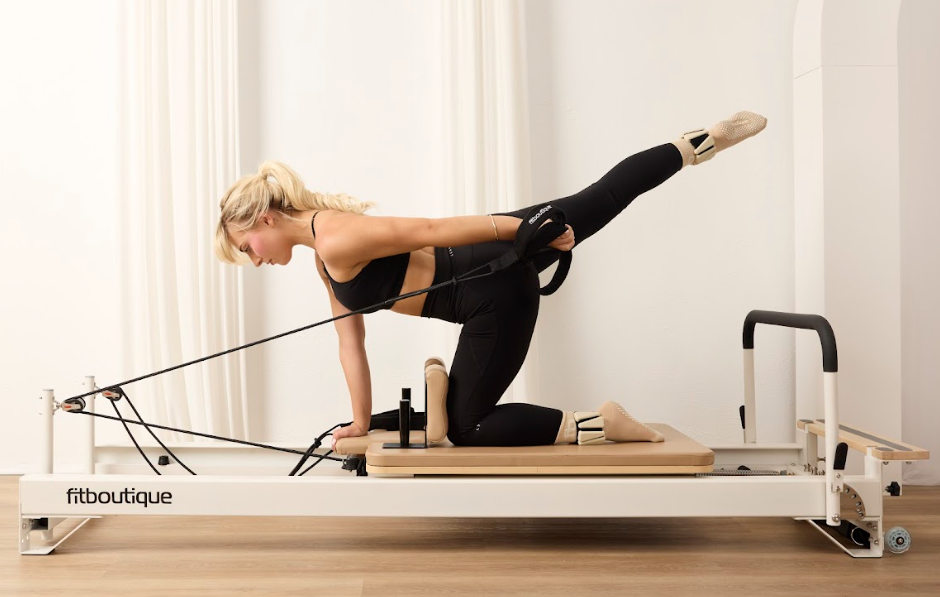
FitBoutique’s Reformer Machines are commercial-grade, built to meet studio needs, and backed by Australian standards for quality and safety.
Having durable, reliable equipment reduces the risk of injuries and protects your business in the long run.
7. Set Up Proper Contracts and Waivers
Every new client should sign a liability waiver before using your Reformer Machine or taking classes.
Your instructor agreements should also outline roles, responsibilities, and payment terms.
A lawyer can help draft documents that cover you in case of disputes.
8. Stay on Top of Tax and Record Keeping
-
Register for GST if you expect to earn over $75,000 annually.
-
Keep records for income, expenses, and client waivers for at least 5 years.
Good bookkeeping keeps you compliant and makes tax time less painful.
Final Thoughts
Opening a Pilates studio takes more than passion – it takes preparation.
From insurance to safety checks and the right Reformer Machine, ticking off these legal requirements early will save you stress later.
FitBoutique can help you create a compliant, safe, and stylish studio with premium Reformer Machines and accessories designed for Australian businesses.
👉 Contact us here to find out which equipment suits your studio best.
Written by Ayrah Yuso
I'm part of the FitBoutique team and have a solid passion (and love) for all things exercise related, including Reformer Pilates


















Leave a comment