




10 Pilates Studio Marketing Ideas That Actually Work
I have already written the long version of what fills a Pilates studio, and it is mostly about principles. Fear, local search, retention. This is the other kind of article. Ten things you could actually do this week, each one specific enough that you know on Friday whether you did it.
They come from watching studios I have fitted out either fill up or not, and noticing that the ones that fill are rarely doing anything clever. They are doing a small number of plain things properly.

In this article
- 1. Run an open day with no sales pitch
- 2. Partner with the physio, not the cafe
- 3. Name classes after outcomes
- 4. Put a reformer in the window
- 5. Film one cue a week
- 6. Text the people who stopped coming
- 7. Make the waitlist visible
- 8. Give every instructor a face
- 9. Run a 6 week block with a start date
- 10. Track 3 numbers and ignore the rest
- Frequently asked questions
1. Run an open day with no sales pitch
Open days work, and most of them are run badly. The mistake is treating the day as a sales event. People can feel that from the car park and it is the reason they do not come in.
Run it as a lesson instead. Twenty minutes on the machine, 3 exercises, the instructor sets every spring and explains every step, and nobody mentions memberships until the very end, and even then only once and only as a printed sheet on the way out.
The people who come to an open day are already interested. They do not need convincing, they need to find out that the machine is not frightening. Let them find that out and the rest takes care of itself.

2. Partner with the physio, not the cafe
Every studio marketing list tells you to partner with the local cafe. A smoothie discount is charming and it does almost nothing, because cafe customers are not looking for a Pilates studio.
Physios are. A physio finishes a course of treatment with someone who needs to keep moving, and they are actively looking for somewhere to send that person. If you are the studio they know, you get a steady stream of clients who arrive with a reason to be there and a professional telling them to go.
Walk in, introduce yourself, offer the physios a free class so they know what they are recommending, and leave a stack of cards. That is the whole strategy. It is unglamorous and it is the most reliable referral channel I have seen.

3. Name classes after outcomes
Look at your timetable and count the classes named after a level or a style. Reformer Flow 2. Intermediate. Signature Sculpt. Those names mean something to you and nothing to a person deciding whether to book.
Rename them after the reason someone would come. Back care. Runners. Postnatal. Desk workers. Over 50s. A person scanning your timetable at 10pm is asking one question, which is whether this is for someone like me, and an outcome name answers it before they have to think.
The class does not have to change. Only the name does. This is the cheapest thing on this list and I have watched it turn a dead Tuesday slot into a full one.
4. Put a reformer in the window
If your studio has a street frontage, the machine closest to the window is your most effective advertisement and it costs nothing.
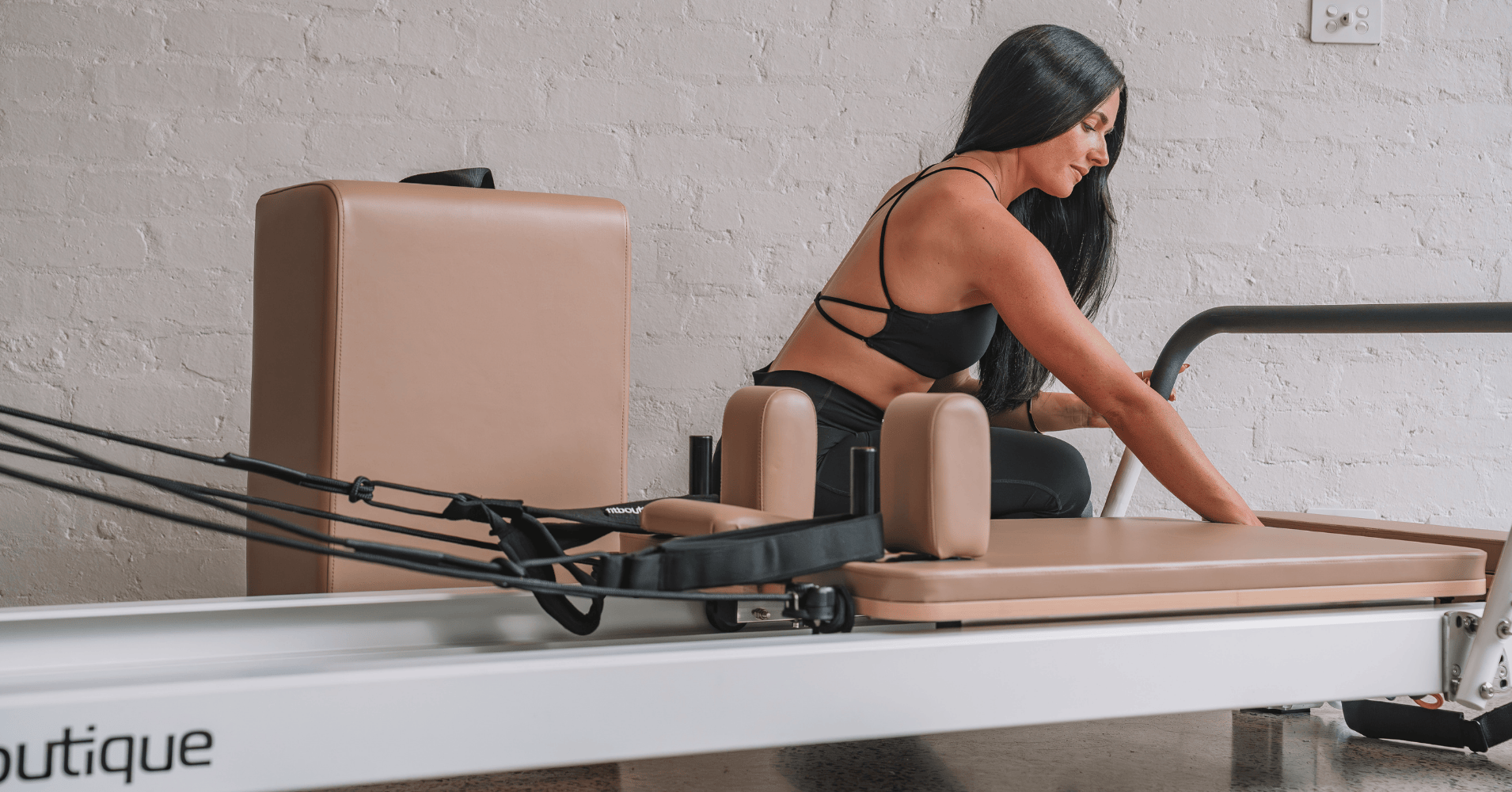
People walk past a studio for months before they come in. What they are doing on those walks is checking whether it looks like a place for them. A reformer in the window, ideally with someone on it during your busiest hours, answers that far better than any sign. It tells them what happens inside, that it is not intimidating, and that people like them are already doing it.
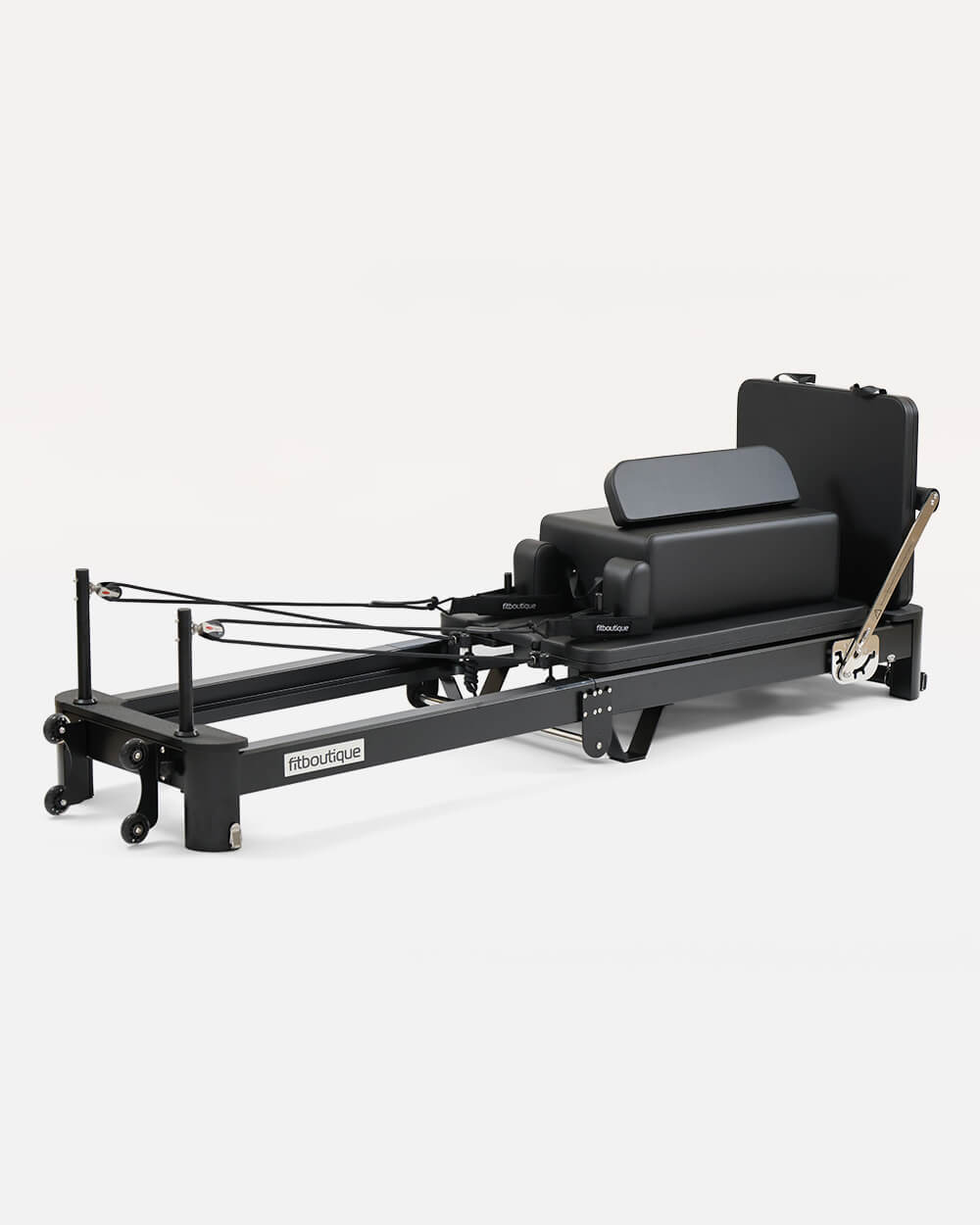
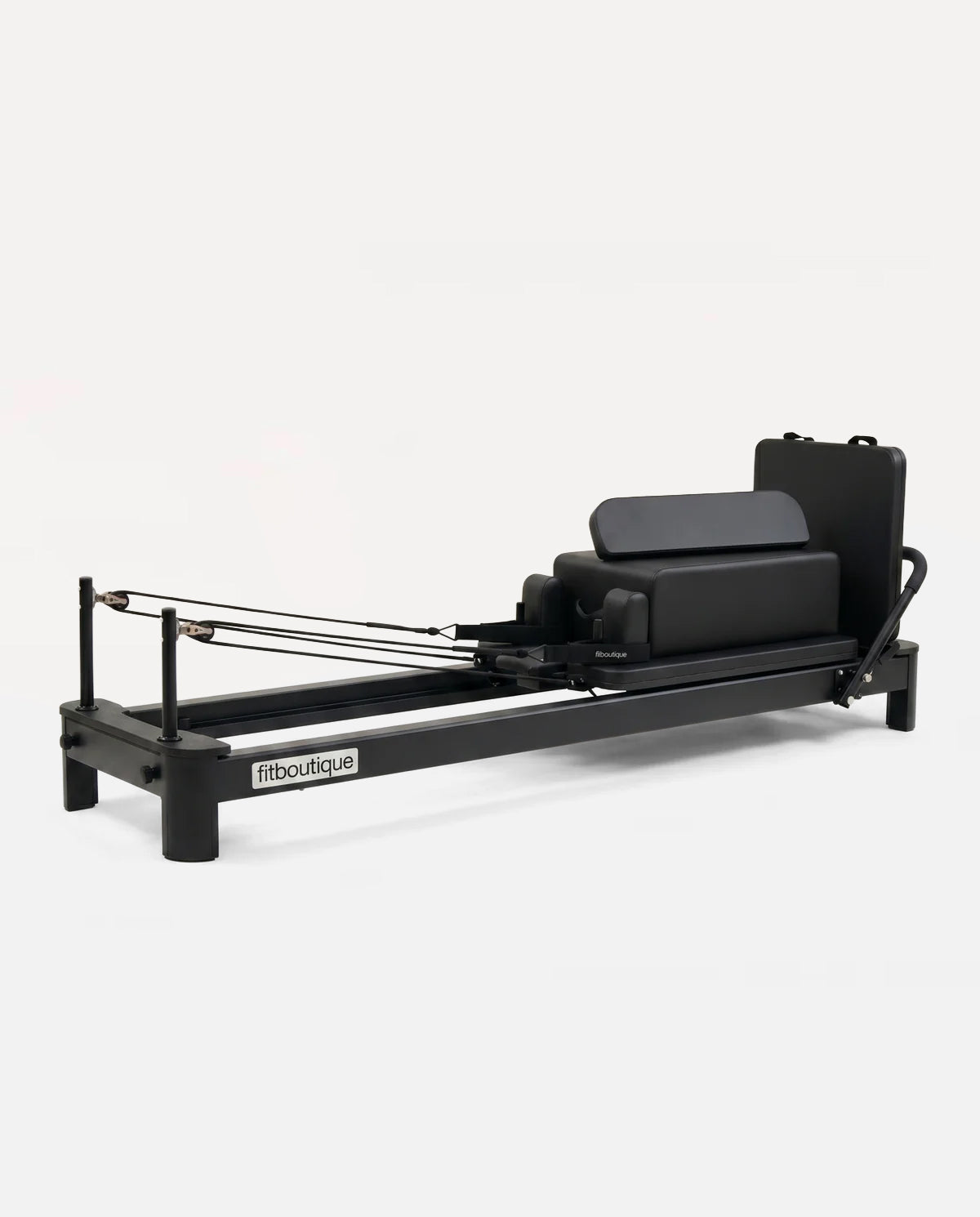
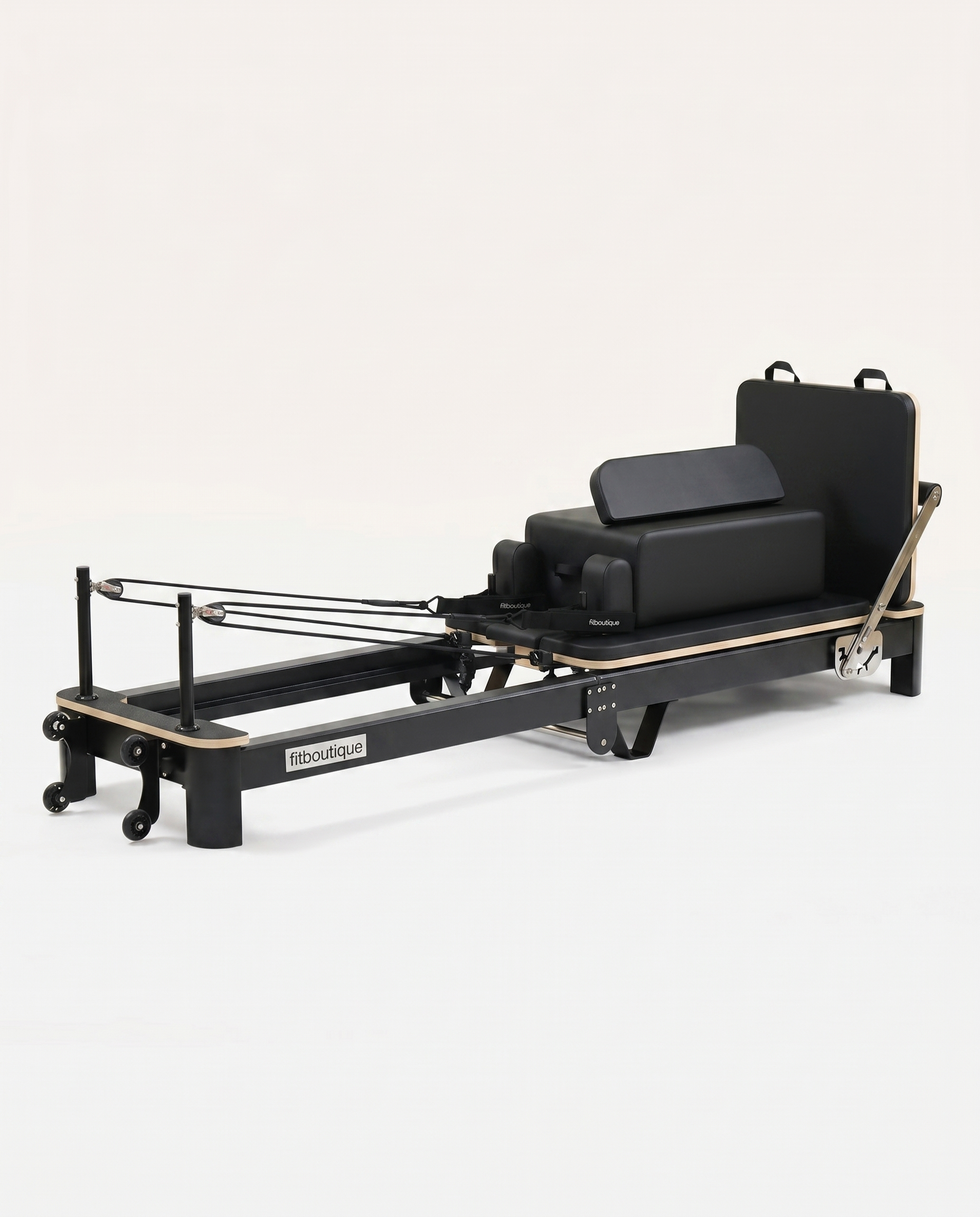
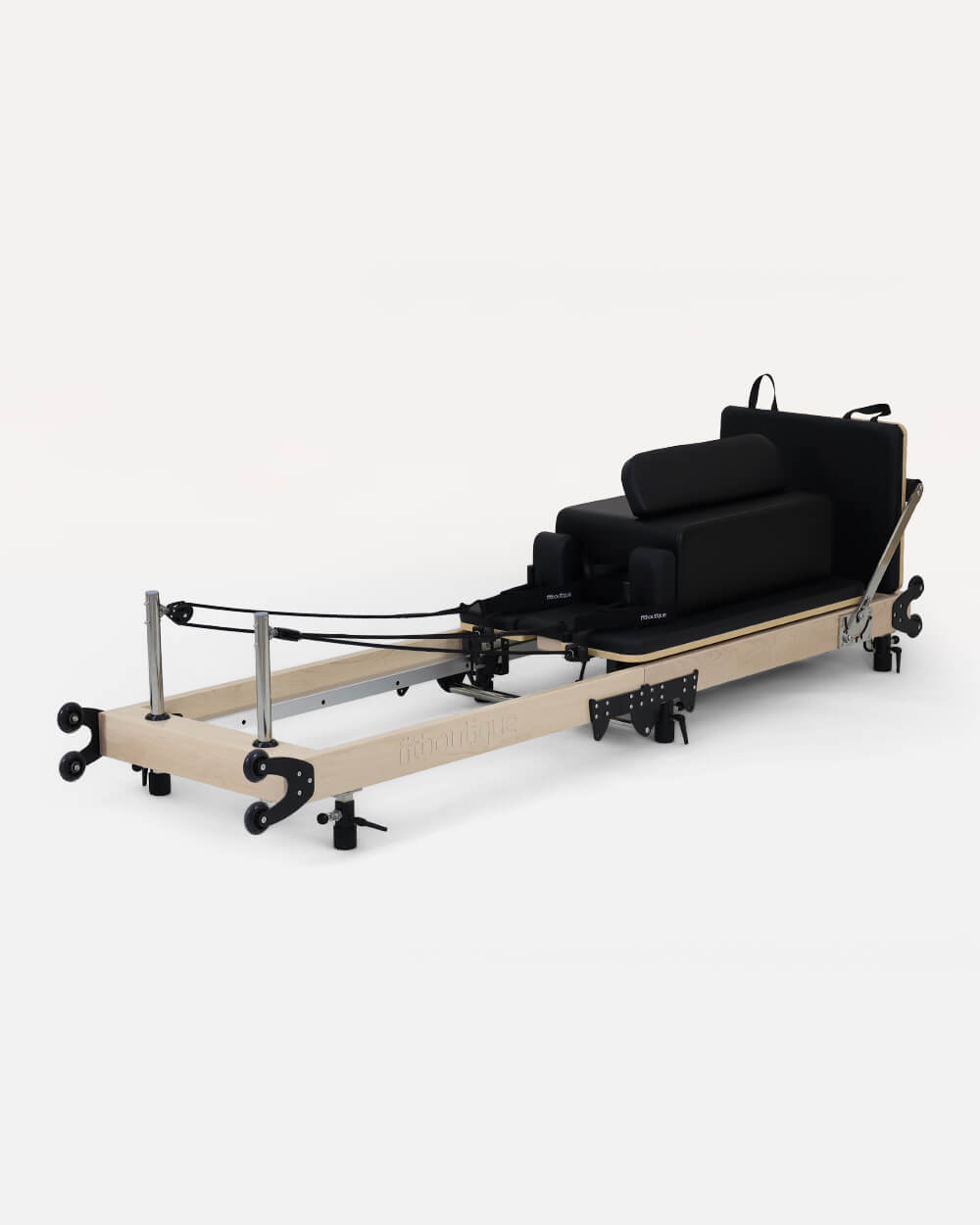
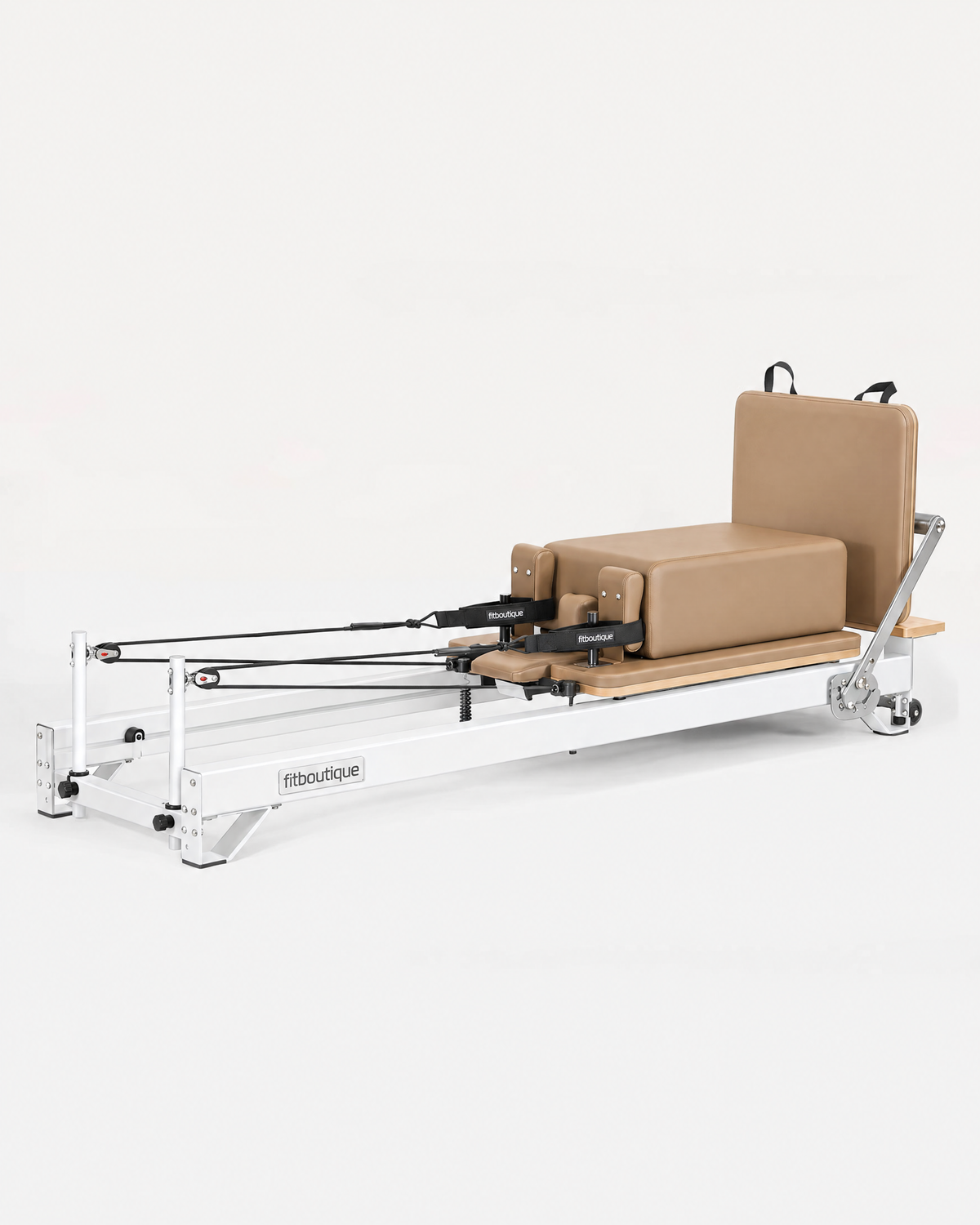
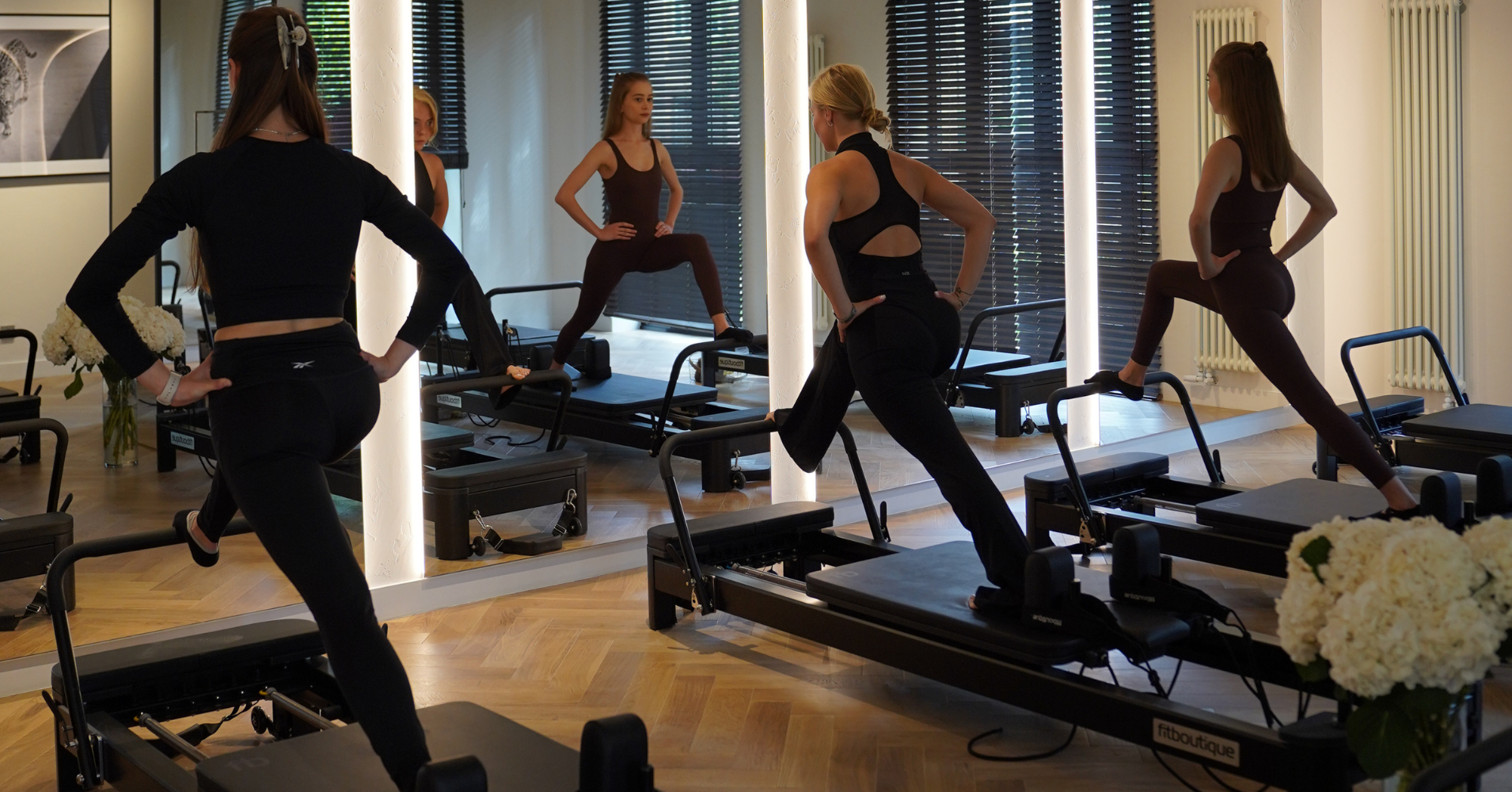
If you cannot put a machine there, put a photograph of the room there instead, large and honest. The Studio Reformer and the Space Black Reformer are the fixed frame machines studios usually front with, since they photograph well and never need to fold away.

5. Film one cue a week
Not a workout video. One cue, 30 seconds, an instructor's face, phone on a tripod. How to set your springs. Where your feet go on the bar. Why lighter is harder. The single most common mistake in a bridge.
The reason this works is not reach. It is that a nervous first timer who has watched 6 of these already knows one of your instructors before they walk in, and that is most of the fear gone.
Make it a system rather than a project. Same day each week, same spot in the studio, 10 minutes including the retake. Content that depends on inspiration stops in week 3. Content that depends on Thursday keeps going.

6. Text the people who stopped coming
Your booking system knows who has not been in for 3 weeks. Most studios send that list an email, if they do anything at all, and the email is ignored because it is obviously an email.
A text from the instructor they usually train with is a different thing entirely. Short, personal, no offer attached. Something like, hey, noticed I have not seen you in a few weeks, everything alright, Tuesday 6pm still has a spot if you want it. That message gets replies. The automated one does not.
Filling a spot in a class you are already running is the cheapest growth available to you, and it takes 5 minutes a week.
7. Make the waitlist visible
If a class is full, say so where people can see it. "2 spots left" and "Waitlist" on your timetable do more for bookings than any amount of persuasion, because they are proof that other people have already decided.
The catch is that it has to be true. Fake scarcity is spotted instantly and it costs you trust you will not get back. But if your Saturday 9am genuinely fills, letting people see that it fills is simply accurate, and accuracy sells.
Most booking platforms can display this. Almost nobody turns it on.
8. Give every instructor a face
Your instructors are the product. Clients do not stay for the machines, they stay for the person who noticed their left hip was dropping and fixed it.
So put them on the website properly. A real photograph, not a stock one. Three lines about how they teach rather than where they certified. One 30 second video each, which you already have if you are doing idea 5.
New clients pick classes by instructor once they know the instructors exist. Until then they pick by time slot, and time slots do not build loyalty.

9. Run a 6 week block with a start date
A rolling membership is easy to put off. A 6 week block that starts on a Monday is not, because there is a date, and a date creates a decision.
Blocks also create cohorts. Twelve people who started together on the same day turn up for each other, which is a retention effect you cannot buy any other way. And the end of a block is a natural moment to convert people to ongoing membership, with a conversation that happens because the calendar demands it rather than because you remembered.
Give the block a theme that matches idea 3. Six weeks for a stronger back. Six weeks for runners. Then run the next one.
10. Track 3 numbers and ignore the rest
Studio owners either track nothing or track everything, and both end the same way, which is not knowing what to do next.
Track 3 things. How many new people tried a class this month. What proportion of them were still coming 30 days later. And how many existing members lapsed, meaning no visit for 3 weeks.
Those 3 numbers tell you whether your problem is at the front door, in the first month, or in the long tail, and each of those has a different fix. Everything else, website traffic, follower counts, ad impressions, is interesting and will not change what you do on Monday.

A Note From Ayrah
The best piece of studio marketing I have ever seen was a laminated A4 sheet.
I was delivering a second machine to a small studio with a big front window, and the owner had taped a sign to the reformer nearest the glass. It said, in plain type, "Yes, you can try this. Ask inside." That was the whole thing.
She told me it had brought in more first timers than the paid advertising she had run the previous year, and that most of them said the same thing when they came through the door, which was that they had been walking past for months and did not know whether they were allowed.
I think about that sign a lot. Almost everyone who has not tried reformer Pilates is not uninterested. They are waiting to be told it is for them. Most of what is on this list is just different ways of saying that, and the sign said it for the cost of a sheet of paper.
Frequently Asked Questions
What is the most effective marketing idea for a new Pilates studio?
A referral relationship with local physios, ahead of anything else. They finish treatment with people who need to keep moving and are actively looking for somewhere to send them. One free class for the physios so they know what they are recommending, and a stack of cards, is the whole strategy.
Do open days actually work for Pilates studios?
Yes, provided they are run as a lesson rather than a sales event. Twenty minutes on the machine, 3 exercises, springs set for people, and no mention of memberships until the very end. The people who turn up are already interested and mainly need to discover the machine is not frightening.
How often should a studio post on social media?
Once a week is enough if it is the right thing. A 30 second clip of an instructor explaining one cue does more than daily aspirational content, because it lets a nervous first timer feel they already know someone before they arrive. Tie it to a fixed day so it survives the weeks when nobody feels inspired.
Should I rename my classes?
If they are named after levels or styles, yes. Names like Back care, Runners, Postnatal or Desk workers tell someone scanning your timetable whether the class is for them. The class itself does not need to change. This is the cheapest change on the list and one of the most effective.
How do I win back clients who stopped coming?
A short personal text from the instructor they trained with, sent when they have been absent 3 weeks, with no offer attached. It gets replies where automated emails do not, and filling a spot in a class you are already running is the cheapest growth there is.
What should a Pilates studio measure?
Three things. New trials this month, the proportion still attending 30 days later, and how many members lapsed with no visit for 3 weeks. Those tell you whether the problem is at the front door, in the first month, or in the long tail. Website traffic and follower counts are interesting and do not change what you do next.
Is a 6 week block better than a rolling membership?
For getting people started, yes. A fixed start date forces a decision that a rolling membership lets people postpone, and everyone starting together creates a cohort that turns up for each other. The end of the block is then a natural moment to move people onto ongoing membership.
Does showing a full class or waitlist help bookings?
Considerably, as long as it is true. Seeing that a class is full is proof that other people have already decided, which persuades better than any copy. Fake scarcity is spotted immediately and costs trust, so only display it where it is accurate.
If the room itself is still being planned, I have written separately about designing a studio, the booking software that runs it, and the longer version of what fills classes. The commercial range is the place to start if you are fitting out or expanding.
Fitting Out Or Expanding A Studio?
Commercial grade reformers and studio equipment with free delivery Australia wide, spare parts held in Melbourne and a 5 year warranty.
See The Commercial Range
Written by Ayrah Yuso
I'm part of the FitBoutique team and have a solid passion (and love) for all things exercise related, including Reformer Pilates


















Leave a comment